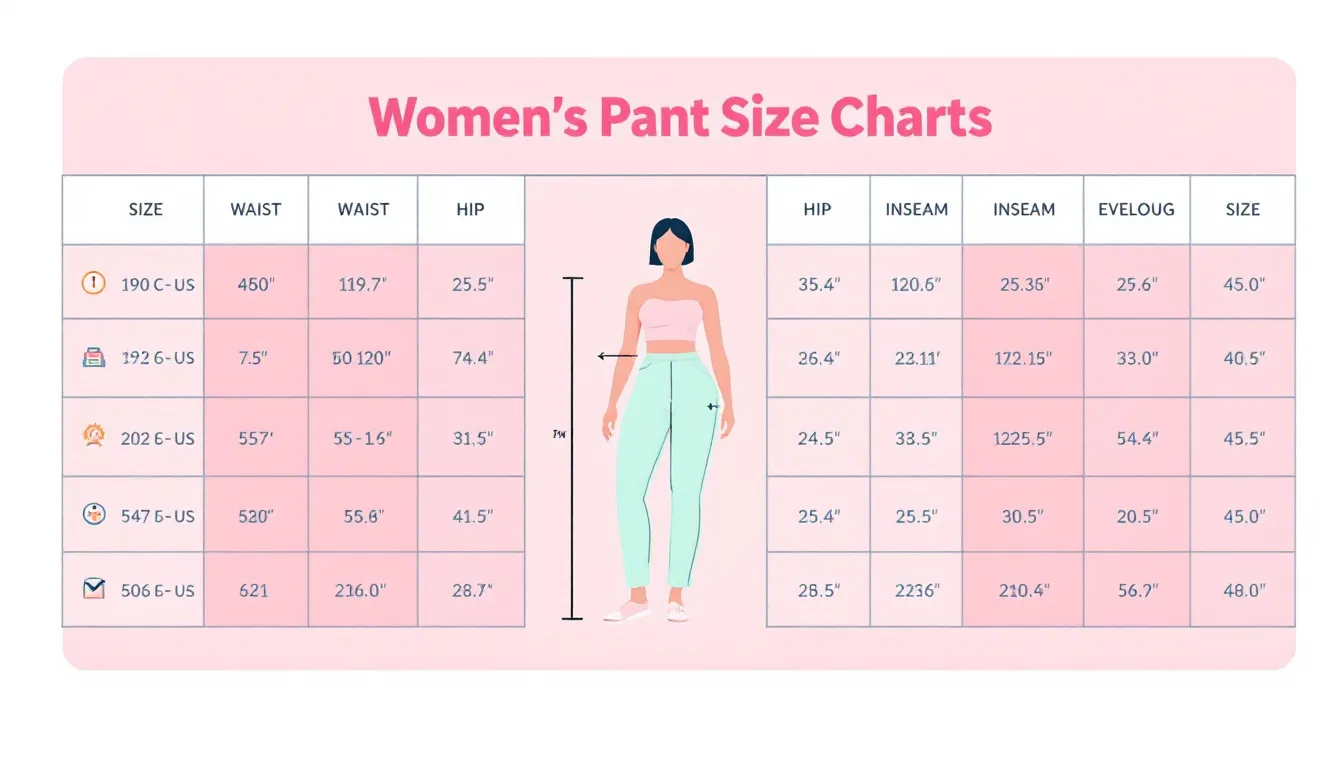
A US women’s size 16 often corresponds to a body waist measurement of about 34 to 36 inches, but the exact range varies by brand, garment type, and size chart. A size 16 label does not guarantee a 16-inch or 16-centimeter waist.
Shopping for women’s jeans, pants, or dresses in the United States can feel confusing when the same size fits differently across stores. A size 16 in one brand may feel snug, while the same labeled size in another brand may offer more room. The number on the tag is a starting point, not a promise of a perfect fit.
For a more reliable choice, compare your actual waist measurement with the size chart for the item you plan to buy. Also check the hip measurement, rise, fabric stretch, and intended fit. This guide explains common US size 16 waist ranges, how to measure at home, and what to do when your measurements fall between sizes.
A US women’s size 16 often fits a body waist of roughly 34 to 36 inches. That is about 86 to 91 centimeters. Treat this as a general shopping estimate rather than a fixed industry standard, because clothing brands use different measurement charts and grading methods.
Some brands may list a smaller or larger waist range for size 16. Others may separate misses, women’s, and plus-size ranges. The label can also vary by garment, so a size 16 dress and a size 16 pair of jeans may not fit in the same way.
The best starting point is the size chart published by the brand selling the item. Check whether the chart lists body measurements or finished garment measurements. Body measurements describe the person the item is designed to fit, while garment measurements describe the clothing itself.
Source: incheschart.com
Common waist estimate
About 34 to 36 inches, or 86 to 91 centimeters, as a broad US size 16 shopping guide.
Brand variation
A brand may use a different waist range because its sizing system, cut, and intended fit differ.
Best source
Use the official size chart for the exact product, especially when ordering online.
Does Size 16 Mean a 16-Inch Waist?
No. In US women’s clothing, size 16 is a garment size label. It does not mean that the wearer’s waist measures 16 inches. A 16-inch waist would be far smaller than the waist measurement commonly associated with adult women’s size 16 clothing.
This distinction matters because women’s clothing sizes are not direct inch measurements. Jeans may display waist sizes in inches, such as 34 or 35, while other styles use labels such as 14, 16, or 18. These systems do not always match one another exactly.
Numeric size
A label such as 16 identifies a size category within a brand’s sizing system.
Waist in inches
A number such as 35 inches describes a measurement and may appear in a denim size chart.
What Is Size 16 in Centimeters?
If a size chart gives a waist range of 34 to 36 inches, the equivalent is about 86.4 to 91.4 centimeters. To convert inches to centimeters, multiply the inch value by 2.54.
For example, a 35-inch waist equals 88.9 centimeters. This conversion changes the unit, not the clothing size. You still need to compare the measurement with the brand’s chart to determine the right size.
34 inches
Approximately 86.4 centimeters.
35 inches
Approximately 88.9 centimeters.
36 inches
Approximately 91.4 centimeters.
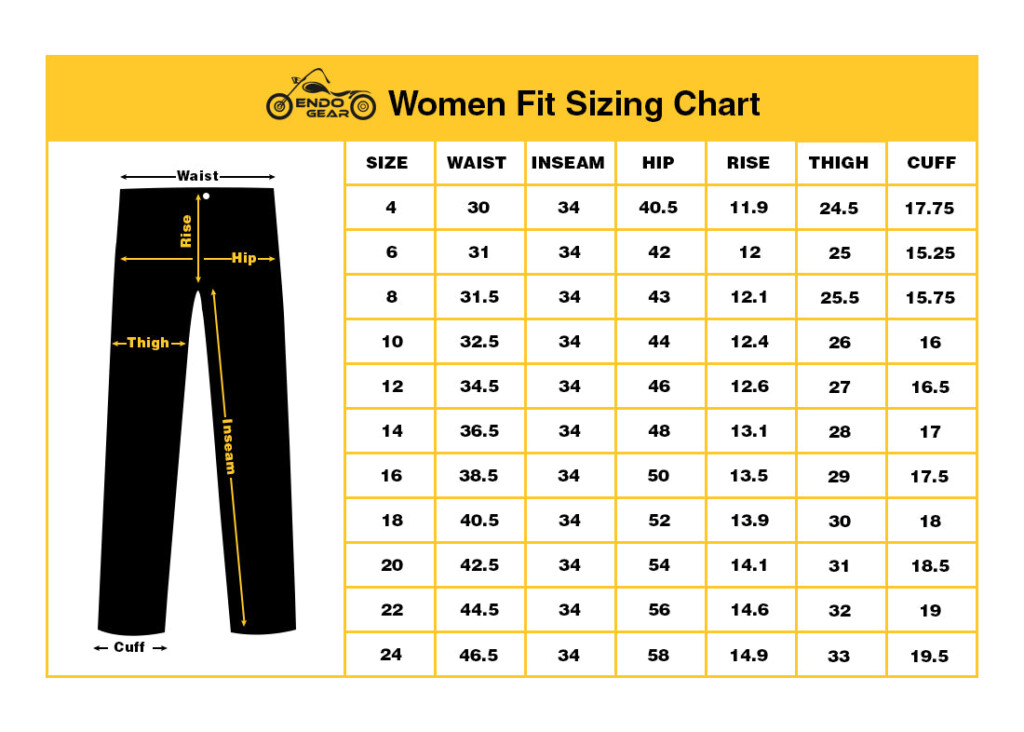
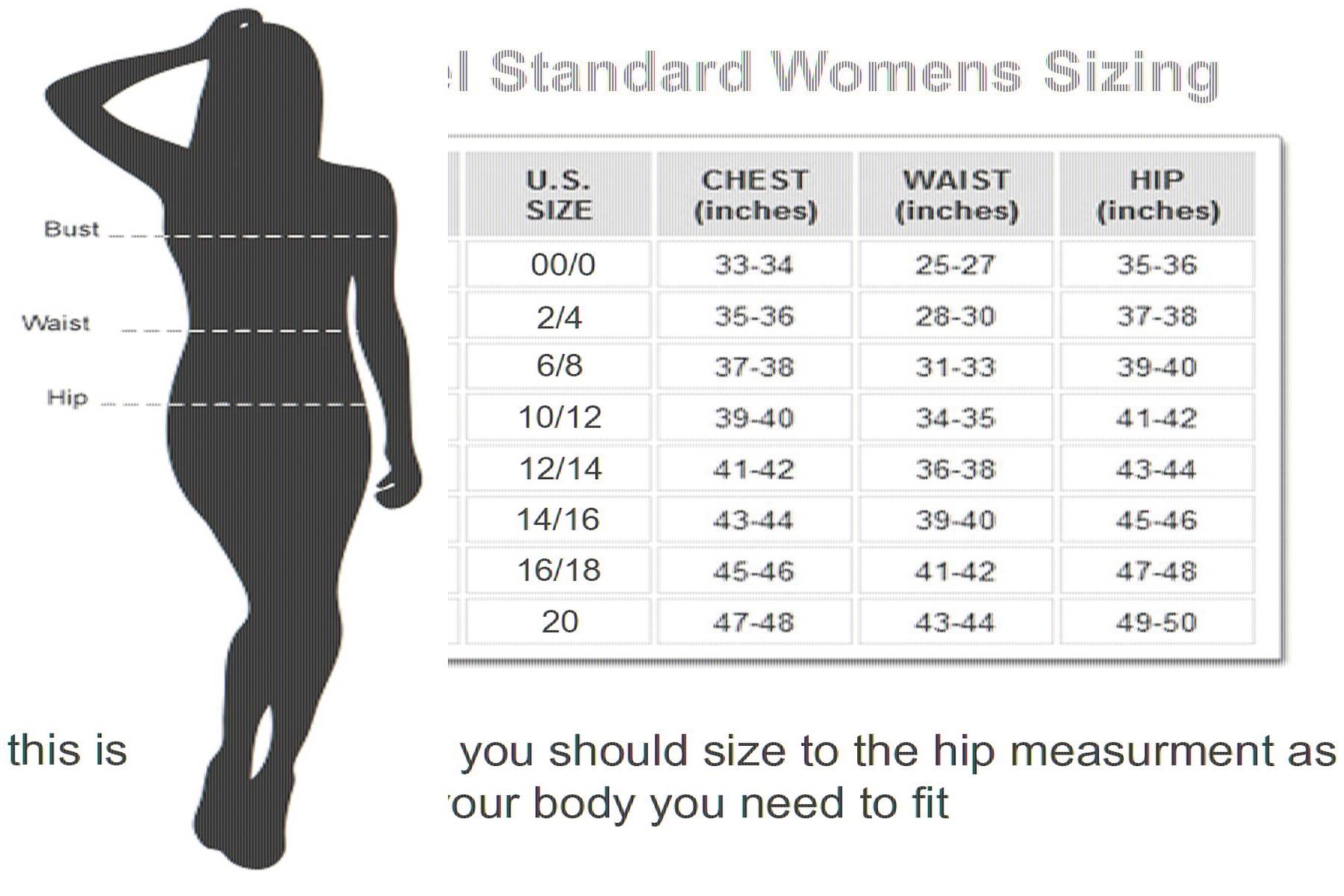
Women’s Size 16 Waist Measurement Chart
A measurement chart makes it easier to compare nearby sizes before you buy. The ranges below are practical examples for understanding the relationship between waist measurements and clothing labels. They are not a universal US sizing standard, and actual brand charts may place the same measurement in a different size.
Use the table as a starting point only. If your waist measures 35 inches, for instance, do not assume that every size 16 garment will fit. Your hip measurement and the cut of the item can affect the result just as much.
Source: fashiondigger.com
Compare nearby sizes
Check the sizes above and below your usual label when your measurement sits close to a chart boundary.
Read the chart notes
Look for separate charts for jeans, dresses, petite styles, tall styles, and women’s or plus-size clothing.
Illustrative US Women’s Waist Size Table
The following table shows broad example ranges for shopping orientation. The ranges are approximate and intentionally overlap because US clothing sizes vary across brands. They should not replace the actual chart for a specific item.
Size 14
An illustrative waist range may be around 32 to 34 inches.
Size 16
An illustrative waist range may be around 34 to 36 inches.
Size 18
An illustrative waist range may be around 36 to 38 inches.
How to Read a Size Chart Correctly
First, find the chart for the exact product category. Next, check whether it gives body measurements or garment measurements. Finally, match your waist and hip measurements to the brand’s stated range rather than choosing by the label alone.
If your measurements fall into two different sizes, check the garment’s shape. For fitted pants, the hips and seat may determine comfort. For a skirt with a defined waistband, the waist may be the key measurement. A loose dress may allow more flexibility than a pair of rigid jeans.
Body measurement chart
Shows the body dimensions the brand intends the garment to fit.
Garment measurement chart
Shows the dimensions of the clothing, which may include extra room for movement.
How to Measure Your Waist at Home
A flexible measuring tape is the simplest tool for checking your waist size at home. Take the measurement over bare skin or thin clothing, stand naturally, and avoid pulling your stomach in. The goal is a consistent body measurement, not the smallest number you can record.
Your natural waist is usually the area between the bottom of your ribs and the top of your hips. It is often near the narrowest part of your torso, although body shapes differ. For clothing, the brand’s own measurement instructions take priority if they define a different measurement point.
Source: komunikatory.org
What you need
A flexible tape measure, a mirror if helpful, and a note or phone to record your result.
How the tape should sit
Keep it level around your body and snug without compressing the skin.
Step-by-Step Waist Measurement
Stand upright with your feet in a natural position. Let your stomach rest as it normally would, then wrap the tape around your natural waist. Check in a mirror that the tape is level at the front, sides, and back.
Breathe normally and read the number without tightening the tape. Write down the measurement in both inches and centimeters if you shop across different sizing systems. Repeat the process once to check that the result is consistent.
Step 1
Find your natural waist or the measurement point specified by the clothing brand.
Step 2
Wrap the tape around your waist without twisting it or pulling it too tight.
Step 3
Read the tape while standing relaxed and breathing normally.
Step 4
Record the measurement and compare it with the product’s official size chart.
What If Your Measurement Changes?
A small difference between measurements can happen because of tape placement, posture, clothing, or normal changes in body size throughout the day. If your result seems unexpected, repeat the measurement with the same method before choosing a size.
Do not keep measuring until you get a preferred number. Use a consistent method and select clothing based on comfort and fit. If you are shopping for a gift, a garment the recipient already owns may provide a useful comparison, provided it fits well and has a similar cut.
Check the tape
Make sure it is level and has not slipped up or down at the back.
Check the garment
Confirm whether the listed waist refers to the body or the clothing itself.
Waist Size 16 for Jeans, Pants, and Dresses
The right size 16 can differ by garment type because jeans, trousers, skirts, and dresses are shaped for different uses. A pair of jeans may need room at the hips and thighs, while a fitted dress may need a closer match at the waist, bust, and hips. The label alone cannot tell you how all these areas will fit.
For online shopping, read the full size chart and the product details. Check the fabric content, waistband design, rise, and cut. If the retailer provides a finished garment measurement, compare it with a similar item you own, but allow for differences in stretch and design.
Source: ar.inspiredpencil.com
Jeans
Consider waist, hips, rise, leg cut, and whether the denim stretches. Rigid denim may feel less forgiving than stretch denim.
Dress pants
Look for the waistband style and the amount of room at the seat and thighs. Tailored pants may fit differently from relaxed styles.
Dresses
Compare waist, bust, and hip measurements, especially for fitted or shaped dresses.
Skirts
Check where the waistband is designed to sit. A high-waisted skirt may use a different measurement point from a low-rise skirt.
Why Size 16 Jeans May Fit Differently
Denim brands vary in their cuts and fabric blends. Stretch denim may adapt more easily to movement, while rigid denim often relies more on the pattern and precise fit. Even two jeans with the same labeled size can feel different at the waist and hips.
Rise also matters. High-rise jeans sit closer to the natural waist, while mid-rise and low-rise jeans sit lower on the torso. If a waistband feels tight even when the waist measurement seems right, the rise or the shape of the waistband may be the cause.
Stretch level
Check the fabric label for elastane or other stretch fibers, but do not assume all stretch fabrics behave alike.
Rise and cut
Choose the rise and leg shape that suit your preferred fit and intended use.
Misses, Women’s, Petite, and Tall Sizing
Retailers may divide women’s clothing into misses, women’s or plus-size, petite, and tall ranges. These labels can describe differences in proportions, length, or fit, and their use varies by retailer. A petite item is not simply a smaller size, and a tall item is not necessarily wider.
If size 16 fits your waist but the rise, sleeves, inseam, or torso length feels wrong, look at the retailer’s other fit ranges. A different cut or proportion may solve the problem without requiring a different waist measurement.
Petite
Often designed for shorter proportions, though exact height and fit rules vary by brand.
Tall
Often offers longer inseams or adjusted proportions for taller frames.
Women’s or plus-size
May use a distinct pattern and grading system rather than simply extending another range.
What If You Are Between Sizes 14, 16, and 18?
If your waist falls near the edge of a size range, compare the hip measurement and consider how closely you want the garment to fit. There is no single rule that works for every item. A structured waistband, a stretchy knit skirt, and a loose dress all respond differently to the same body measurement.
Start with the manufacturer’s chart, then read the product description and any available fit notes. If returns are allowed, check the return terms before ordering two sizes. When returns are difficult or costly, contact the retailer with your measurements and ask which size chart applies to that exact item.
Source: allconversioncharts.com
For a close fit
Use the size chart carefully and check whether the fabric has enough stretch for comfortable movement.
For a relaxed fit
Look for a relaxed cut or adjustable waist rather than automatically sizing up.
For a firm waistband
Pay close attention to the waist measurement and the rise. Extra room at the hips will not always fix a tight waistband.
Should You Size Up or Size Down?
Choose the size that matches the brand’s chart and the fit you want. If your waist matches size 16 but your hips match size 18, the better option depends on the garment’s construction. Pants with a fitted waist may need a different cut, while a garment with stretch or an adjustable waistband may accommodate both measurements.
Avoid sizing down just to reach a smaller label. Clothing should let you sit, bend, walk, and breathe with ease. A size that fits well is more useful than a size that looks smaller on the tag.
Check the largest key measurement
For fitted garments, compare every listed body measurement and follow the brand’s guidance when waist and hips point to different sizes.
Consider tailoring
If the hips fit well but the waist is loose, a tailor may be able to adjust the waistband, depending on the garment.
How to Check Fit After Your Order Arrives
Try the garment on with the type of undergarments and shoes you expect to wear with it. Sit down, stand up, walk a few steps, and move naturally. The waistband should not pinch or slide excessively, and seams should lie in a way that feels comfortable.
Check the return window and keep tags attached until you decide to keep the item. If the waist fits but another area does not, note the exact issue before exchanging it. That detail can help you choose a different cut rather than repeating the same sizing problem.
Signs of a good fit
The garment stays in place, allows normal movement, and feels comfortable when sitting and standing.
Signs to reassess
The waistband digs in, the garment slips down, seams pull, or fabric strains when you move.
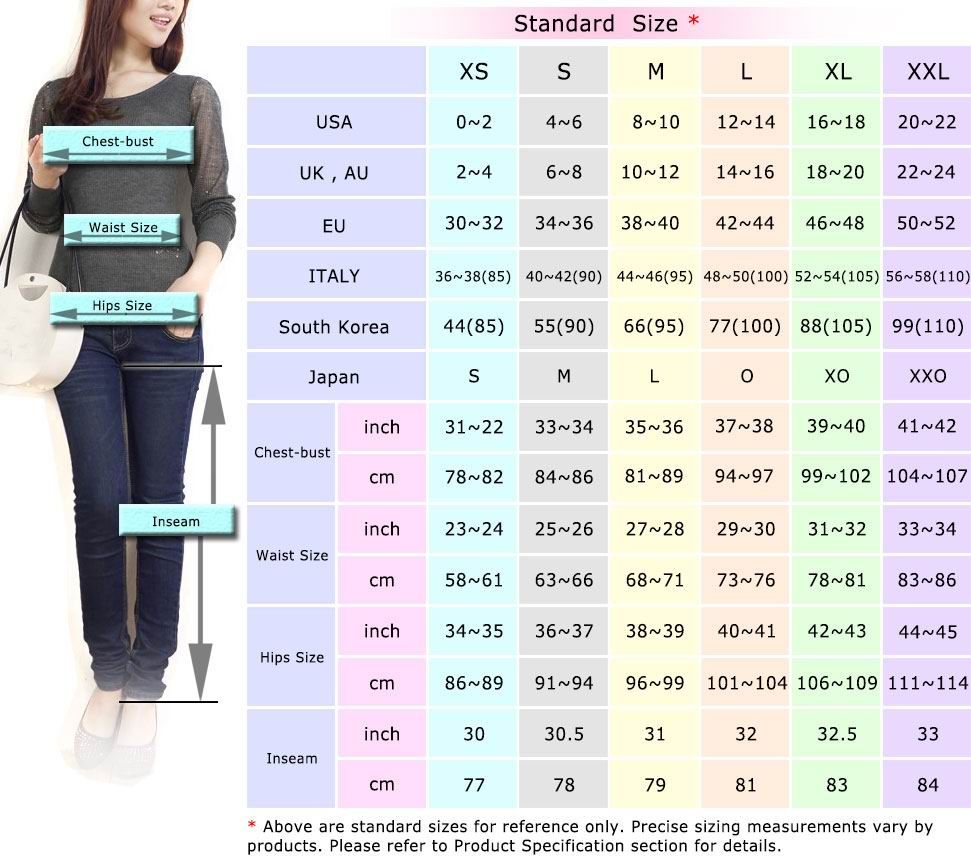
US Size 16 Compared With UK and European Sizes
US, UK, and European clothing sizes use different numbering systems. A US women’s size 16 does not automatically equal a UK size 16 or a European size 16. International conversion charts can help you narrow the options, but they are estimates rather than guarantees.
The same caution applies when a website displays a single international conversion table for all clothing. A retailer may use its own sizing system, and a dress chart may differ from a denim chart. Check the country-specific chart for the product you want and confirm that the measurements are listed in the units you understand.
Source: tangartadvisory.com
US sizing
Numeric women’s labels such as 14, 16, and 18 are common, but their body measurement ranges differ across brands.
UK sizing
UK labels use a different numbering system, so do not transfer a US label directly.
European sizing
EU labels often use higher numbers than US women’s labels, but conversion depends on the brand and garment.
How to Convert Sizes Without Guessing
Start with your waist, hip, and bust measurements in inches or centimeters. Find the product’s country-specific chart and match those measurements to its stated range. Use a conversion chart only if the brand does not provide a more direct guide.
When two conversion charts disagree, trust the brand’s own product chart if it is clearly intended for that garment. If the site does not explain its sizing or the chart appears incomplete, ask customer support before placing an order.
Use the same units
Convert inches to centimeters by multiplying by 2.54, or centimeters to inches by dividing by 2.54.
Check the country
Confirm whether the product is labeled in US, UK, or EU sizes.
Common Waist Size and Clothing Measurement Mistakes
The most common sizing mistakes come from treating every brand’s chart as identical or comparing different kinds of measurements. A body waist and the waistband of a pair of pants are not always the same measurement. Garment shape, ease, fabric, and the place where the waistband sits can all affect fit.
A careful measurement and a quick review of the product details can prevent many avoidable exchanges. If the chart is unclear, ask the seller whether the numbers describe the body or the finished garment instead of assuming the answer.
Source: allconversioncharts.com
Using the wrong body area
Measure the waist point requested by the brand rather than assuming every garment uses the narrowest part of the torso.
Pulling the tape too tight
A tight tape can produce a measurement that does not reflect a comfortable clothing fit.
Ignoring hip measurements
Pants and fitted dresses may not fit well when only the waist measurement is considered.
Assuming denim sizes match numeric sizes
A jeans size in inches and a women’s numeric label are different systems unless the brand provides a conversion.
Ignoring return conditions
Check exchange deadlines, shipping costs, and any final-sale restrictions before ordering.
Is a Size 16 Waist the Same Across Every Brand?
No. There is no single waist measurement that every US clothing brand must use for size 16. Brands may set different ranges and use different patterns, so one label can produce different fits.
This variation is why the actual measurement chart matters more than a general conversion table. Use a broad estimate to guide your search, then confirm the fit with the specific retailer.
What stays consistent
The physical measurement in inches or centimeters can be checked with a tape measure.
What can vary
The label assigned to that measurement, the cut of the garment, and the amount of ease built into it.
Choosing Clothes That Fit Comfortably
A good fit is about comfort, movement, and the shape you prefer. You do not need to reach a particular size label to dress well. Clothing sizes are retail tools, and the number can change from one store to another even when your body measurements stay the same.
When shopping, focus on the areas that matter for the garment. Waist and hip measurements often guide pants and skirts, while dresses may require bust, waist, and hip measurements together. Sleeve length, inseam, rise, and torso length may also matter depending on the design.
If an item does not fit, treat that as useful information about the garment rather than a personal failing. Try another cut, fabric, or size range. Small alterations can also help when a garment fits well in most areas but needs a minor adjustment at the waist.
Prioritize movement
Choose clothes that let you sit, walk, reach, and bend without painful pressure or constant adjustment.
Match the intended style
A relaxed fit, a tailored fit, and a close fit may use different measurements and should not be judged by the same standard.
Use reliable information
Follow the product-specific size chart, fabric details, and clear retailer fit guidance.
Does Waist Size 16 Say Anything About Health?
A clothing size alone cannot determine a person’s health. Garment labels vary by brand and do not provide a medical assessment. Waist measurement may be used in some health assessments, but its meaning depends on the context and should not be confused with a clothing size.
If your question concerns a health risk rather than buying clothes, use appropriate clinical guidance and discuss personal concerns with a qualified health professional. Do not use a retail size chart to diagnose a condition or judge your body.
For clothing
Use waist and other body measurements to help select garments that fit.
For health
Seek health guidance that considers the relevant measurements, history, and individual circumstances.
Frequently Asked Questions
Q
What is the waist size for a women’s size 16?
A US women’s size 16 often corresponds to a body waist of about 34 to 36 inches, or roughly 86 to 91 centimeters. The exact range depends on the brand, clothing type, and fit. Always check the official chart for the item you plan to buy.
Q
Is a women’s size 16 waist 36 inches?
It can be, depending on the brand. Some size 16 charts place the waist near 36 inches, while others use a smaller range. Check the brand’s waist and hip measurements before choosing a size.
Q
What is a women’s size 16 in jeans?
A women’s size 16 in jeans is a numeric clothing label, not a universal waist measurement in inches. The corresponding denim waist size varies with the brand, rise, cut, and fabric stretch. Use the jeans maker’s chart for the most useful comparison.
Q
How do I measure my waist for size 16 pants?
Use a flexible tape measure around the natural waist or the point specified in the retailer’s instructions. Keep the tape level and snug without compressing your skin. Record the result, then compare it with the brand’s waist and hip chart.
Q
Should I buy size 14, 16, or 18 if my waist is 35 inches?
Start with the brand’s chart to see which size includes a 35-inch waist. Then compare your hip measurement and consider the garment’s cut and stretch. If your measurements fall across two sizes, check the product fit notes or ask the retailer for guidance.
Q
Is US women’s size 16 the same as UK size 16?
No. US and UK women’s clothing sizes use different numbering systems. Check a country-specific chart from the retailer and use body measurements to confirm the conversion rather than relying on the number alone.
Q
Can two size 16 pants have different waist measurements?
Yes. Different brands and styles can assign different waist ranges to the same numeric label. The waistband position, fabric, cut, and amount of room built into the garment also affect how the pants fit.
✦ Wrapping Up
Conclusion
A US women’s size 16 often falls near a 34- to 36-inch waist, but that range is only a starting point. Clothing brands use different sizing charts, and jeans, dresses, pants, and skirts may fit differently even when they carry the same number.
For the best result, measure your waist with a flexible tape, check your hips when the garment requires it, and compare your results with the exact product chart. Pay attention to fabric stretch, rise, cut, and return rules before ordering online. A size label is useful for shopping, but comfort and fit matter more than the number.
💡 Key Takeaway
Measure your waist and hips today, note the results in inches and centimeters, and use the retailer’s official size chart before choosing size 16.