Low progesterone may be linked to changes in hair health, but there is not enough strong evidence to prove that low progesterone alone causes hair loss in women. Other causes, such as thyroid problems, low iron, menopause, stress, and female pattern hair loss, may be more relevant. Finding the true cause is the best first step.
Women across the United States may notice more hair in the shower, a wider part, or a thinner ponytail at different stages of life. These changes can be worrying, especially when they happen along with irregular periods, hot flashes, poor sleep, or other signs of a possible hormone change. Progesterone is one hormone worth understanding, but hair loss rarely has just one possible cause.
Progesterone is a hormone that helps regulate the menstrual cycle and supports pregnancy. Its levels rise and fall throughout the menstrual cycle, so a single blood test may not tell the whole story. Research on progesterone and scalp hair is limited, and low levels do not automatically mean that hair loss will occur.
The American Academy of Dermatology explains that hair loss can stem from several conditions, including inherited hair thinning, illness, stress, and nutritional problems. A dermatologist can examine the scalp and decide whether blood tests or other checks may help. This guide explains what is known about progesterone, which other causes deserve attention, and how to seek safe, useful care.
Low progesterone may occur at the same time as hair loss, but a direct cause-and-effect link has not been firmly established in women. Some women notice thinning during times of hormonal change. That pattern deserves attention, yet it does not prove that a progesterone shortage is responsible.
A 2021 review published in the journal Climacteric examined the effects of progesterone on skin and hair during menopause. The authors found that research on menopausal hormone therapy and skin was limited. More importantly, they found no study directly examining the effect of micronized progesterone on menopausal scalp hair. This leaves a key gap in the evidence.
Hormones can affect the body in many ways, and hair follicles respond to several biological signals. Still, the role of each hormone differs. A hormone that supports reproductive health does not necessarily have a proven role as a treatment for hair thinning.
The practical answer is simple: low progesterone may be part of a wider reproductive or health change, but it should not be assumed to explain hair loss. A proper assessment can help separate a possible hormone issue from more common causes.
Source: doseway.com
What is documented
Progesterone changes during the menstrual cycle, pregnancy, and menopause. Hair growth also responds to age, genetics, illness, nutrition, and other hormones.
What remains uncertain
Current evidence does not show that low progesterone by itself reliably causes hair loss or that raising progesterone restores scalp hair.
What this means for you
Look at the timing, pattern, other symptoms, and medical history before deciding whether hormone testing or hair treatment is needed.
Why progesterone and hair loss are often linked
Progesterone levels change during the menstrual cycle. Levels are usually low during the first part of the cycle and rise after ovulation. They also rise during pregnancy and fall after childbirth. During the transition to menopause, ovulation may become less regular, which can change progesterone patterns.
Hair changes can happen during these same stages. When two changes occur together, it is natural to connect them. However, other shifts may be responsible, including changes in estrogen, androgen activity, thyroid function, iron stores, sleep, and stress.
The key distinction
A link in timing is not proof of a direct biological cause. A clinician needs to consider the whole picture.
Does progesterone help hair grow?
There is not enough strong clinical evidence to recommend progesterone as a general hair-growth treatment. A review of menopausal skin and hair research found no direct study of micronized progesterone on menopausal scalp hair. Findings about skin or other tissues cannot be treated as proof of hair growth.
Do not use progesterone cream, pills, or compounded hormone products just because your hair is thinning. These products may have side effects, and treatment may delay the diagnosis of another condition. Hormone therapy should be considered for a valid medical reason with a qualified clinician.
What Does Progesterone Do in a Woman’s Body?
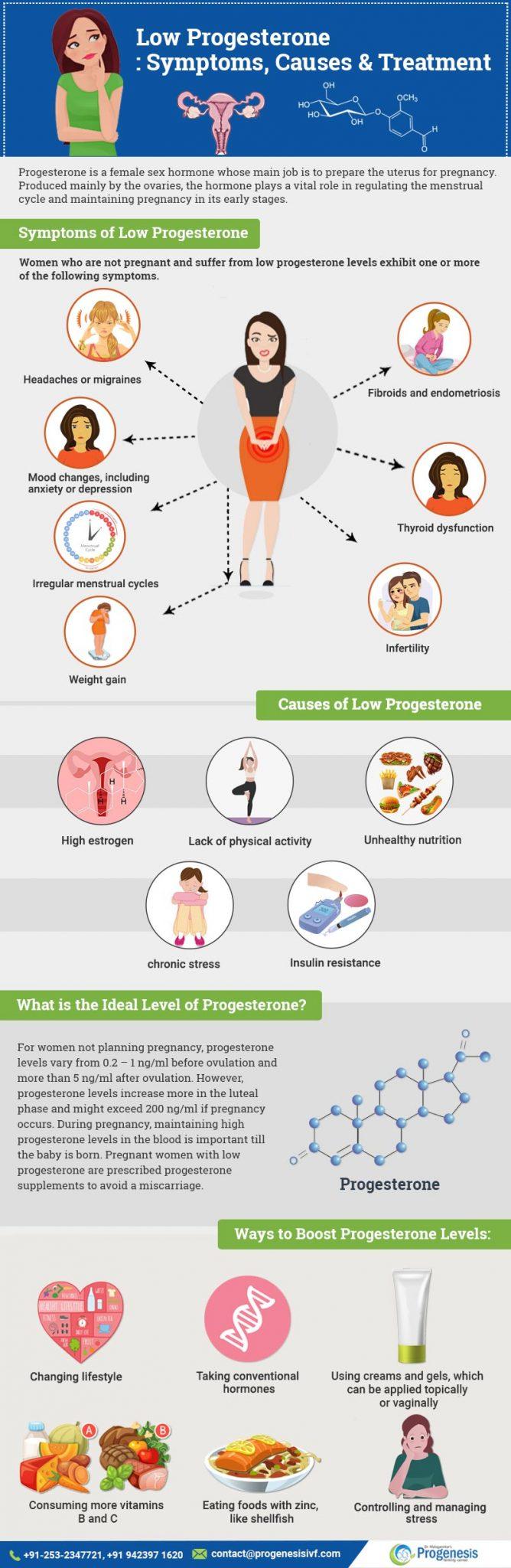
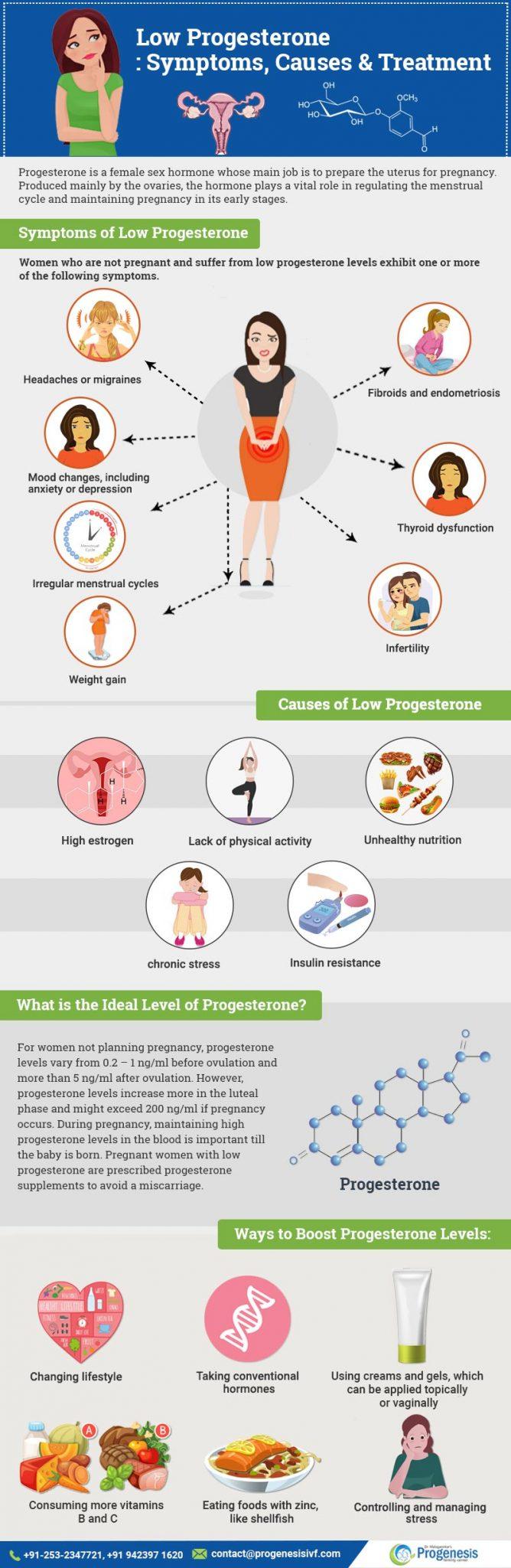
Progesterone is a reproductive hormone made mainly by the ovaries after ovulation. During pregnancy, the placenta becomes a major source. The hormone helps prepare the lining of the uterus for pregnancy and supports the early stages of pregnancy. It also plays a role in the menstrual cycle.
Progesterone is not a fixed number throughout the month. Its level depends on where a woman is in her cycle, whether ovulation has occurred, pregnancy status, age, and certain medicines. A result that seems low on one day may be expected on another day.
This matters when investigating hair loss. One isolated progesterone result cannot explain every symptom, and a test taken at the wrong time may be hard to interpret. If a clinician suspects an ovulation or fertility issue, the timing of the test becomes especially important.
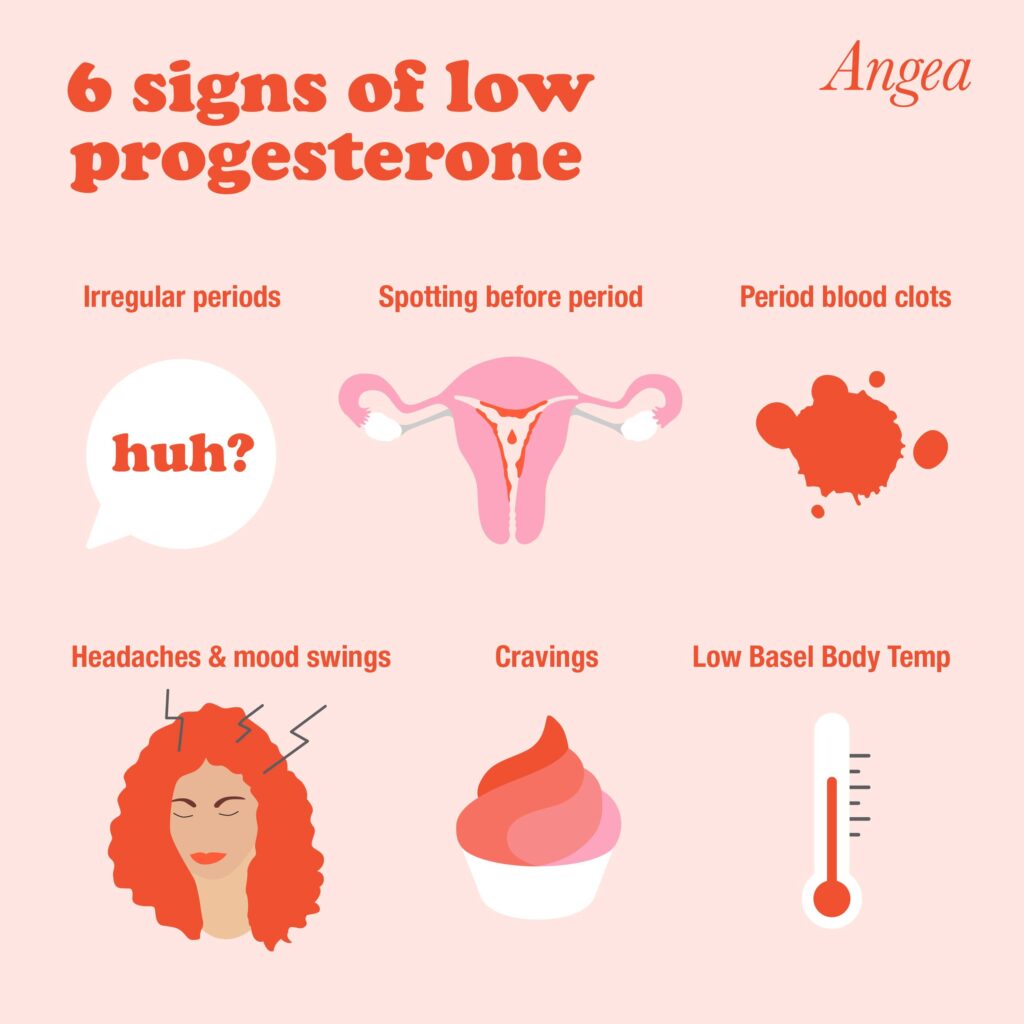
Low progesterone may be discussed when periods are irregular or when ovulation is not occurring as expected. Those findings call for a reproductive health assessment. Hair loss, on its own, is not enough to diagnose a progesterone problem.
Source: solveclinics.com
Menstrual cycle
Progesterone rises after ovulation and usually falls before the next period if pregnancy does not occur.
Pregnancy
Progesterone supports the uterine lining and helps maintain the conditions needed for pregnancy.
Perimenopause and menopause
Ovulation may become less regular during perimenopause. After menopause, ovarian progesterone production is generally much lower.
Can low progesterone symptoms include hair thinning?
Hair thinning may occur alongside irregular periods or other symptoms that lead a clinician to check reproductive hormones. However, hair thinning is not a specific sign of low progesterone. Many women with hair loss have normal reproductive hormone levels.
Possible symptoms of a reproductive hormone issue depend on the underlying condition. Irregular cycles, difficulty becoming pregnant, or changes in bleeding may help guide an evaluation. Breast tenderness, mood changes, and sleep problems are also nonspecific and cannot confirm low progesterone on their own.
Do not rely on symptoms alone
A group of symptoms may justify a medical visit, but it cannot establish a hormone diagnosis without the right clinical context.
Other Hormonal and Medical Causes of Hair Loss in Women
Hair loss in women often has a cause other than low progesterone. The pattern of thinning, how quickly it started, recent health changes, and other symptoms can help narrow the possibilities. Some women also have more than one cause at the same time.
A wider part or gradual thinning near the crown may suggest female pattern hair loss. A large increase in shedding across the scalp may point toward telogen effluvium, a condition in which more hairs than usual enter the shedding phase. Round bald patches, scalp pain, redness, or loss of eyebrows may suggest a different condition that needs prompt assessment.
Hormonal changes can be part of the picture without being the only explanation. For example, a woman may have inherited hair thinning and then develop extra shedding after an illness. Treating only the recent trigger may not address the inherited condition, so the pattern matters.
Source: the101clinic.com
Thyroid disease
An underactive or overactive thyroid can affect hair growth. Fatigue, temperature sensitivity, weight changes, or changes in bowel habits may provide additional clues, though symptoms vary.
Iron deficiency
Low iron stores can contribute to shedding in some women. Heavy periods, pregnancy, limited dietary iron, or poor absorption may increase the risk.
Female pattern hair loss
This inherited condition often causes gradual thinning and a wider part. It can occur even when routine hormone tests are normal.
Telogen effluvium
This form of excess shedding may follow childbirth, fever, surgery, major stress, rapid weight loss, or a significant illness.
Other causes
Certain medicines, restrictive diets, scalp disorders, tight hairstyles, and hair-shaft damage can also cause thinning or breakage.
How menopause can affect hair
Hair may become finer or less dense during the years around menopause. Changes in several hormones, age-related follicle changes, and inherited traits may all play a role. It is not accurate to blame every case of menopausal hair loss on low progesterone.
If thinning begins around menopause, a clinician can check for female pattern hair loss, thyroid disease, iron deficiency, and other possible causes. Menopausal symptoms may help guide the discussion, but they do not identify the cause of hair loss by themselves.
Hair shedding after pregnancy
Many women notice more hair shedding in the months after childbirth. During pregnancy, changes in the hair cycle can keep more hairs in the growth phase. After delivery, more hairs may shift into the shedding phase at once.
This is commonly called postpartum telogen effluvium. It is associated with the body adjusting after pregnancy and is not proof that low progesterone is directly damaging the hair follicles. Shedding often improves over time, but ongoing or severe loss deserves an assessment.
When to seek care
Contact a clinician if hair loss is severe, continues to worsen, comes with other concerning symptoms, or does not begin to improve as expected.
Signs That Can Help Explain Your Hair Loss
The way hair loss looks and feels can provide useful clues, but appearance alone cannot confirm the cause. Notice whether hair is falling from all parts of the scalp, thinning in one area, or breaking along the hair shaft. Also note when the change began and whether a health event happened a few months earlier.
A short record can help your appointment go more smoothly. Write down changes in your menstrual cycle, recent pregnancy, major illness, diet, weight, medication, and hair-care routine. Include any new acne, unusual facial hair growth, or scalp discomfort.
These details help a clinician decide whether the next step should be a scalp exam, targeted blood work, hormone testing, or a referral. They also reduce the risk of treating a guessed cause while a different problem continues.
Source: artofit.org
Sudden shedding across the scalp
This may fit telogen effluvium, particularly after illness, childbirth, surgery, severe stress, or a major diet change.
Slow thinning and a wider part
This pattern may fit female pattern hair loss, especially when it develops gradually.
Hair loss with irregular periods or acne
A clinician may consider androgen-related conditions when these symptoms occur together, particularly with new or excessive facial hair.
Round bald spots or scalp inflammation
These changes may indicate an autoimmune, infectious, or inflammatory condition. They should not be assumed to result from low progesterone.
Short, broken hairs
Breakage may result from heat, chemical treatments, friction, or tight styles rather than a hormone problem.
When hair loss needs prompt medical attention
Arrange a medical visit soon if hair loss is rapid, patchy, or accompanied by scalp pain, redness, scaling, sores, or eyebrow loss. Some inflammatory conditions can damage hair follicles and lead to permanent loss if treatment is delayed.
Seek urgent care for severe symptoms such as fainting, chest pain, or shortness of breath, especially if they occur with heavy bleeding or marked weakness. These symptoms are not typical signs of low progesterone and may point to another health problem.
How Doctors Check for Low Progesterone and Hair Loss
There is no single blood test that explains every case of hair loss. A clinician starts with your history and a scalp examination, then chooses tests based on the likely causes. A dermatologist is often a useful first contact for persistent thinning, while a primary care clinician or gynecologist may help assess related health or menstrual concerns.
The assessment may include the timing of hair loss, family history, pregnancy history, recent illness, diet, medication use, menstrual patterns, and signs of scalp disease. The clinician may examine the scalp closely and gently assess whether hairs are shedding more than expected. A scalp biopsy is sometimes needed when the diagnosis remains unclear.
Blood tests should answer a clinical question rather than form a large panel ordered without a reason. Depending on the history, a clinician may consider a complete blood count, iron studies such as ferritin, or a thyroid-stimulating hormone test. Tests for other nutrients or reproductive hormones may be appropriate when the symptoms support them.
Source: myglowjourney.com
Complete blood count
This test can help identify anemia, which may occur with iron deficiency or other health conditions.
Ferritin and iron studies
These tests help assess iron stores and iron status when deficiency is suspected.
Thyroid testing
A thyroid-stimulating hormone test may be useful when symptoms or the examination suggest a thyroid problem.
Androgen testing
Tests such as testosterone or DHEA-S may be considered when hair loss occurs with irregular periods, marked acne, or excessive facial hair growth.
Progesterone testing
This may be relevant when a clinician is evaluating ovulation or fertility concerns. It is not routinely needed for every woman with hair loss.
When is a progesterone blood test useful?
A progesterone test may help assess whether ovulation has occurred in a particular menstrual cycle. Its value depends on the reason for testing and when the sample is collected. A result taken too early or too late may not answer the question the clinician is asking.
If you have irregular periods, trouble conceiving, or other reproductive symptoms, ask whether hormone testing is appropriate. Do not request a progesterone test solely to prove that it is causing hair loss. The result cannot establish that link on its own.
Before the test
Tell the clinician the first day of your last period, whether your cycles are regular, whether pregnancy is possible, and which medicines or hormones you use.
Questions to bring to your appointment
Ask what type of hair loss the examination suggests and which other causes should be ruled out. You can also ask which tests are likely to change your care, how long treatment may take, and when you should return if shedding continues.
Clarify the diagnosis
Ask whether the pattern suggests excess shedding, female pattern hair loss, breakage, or an inflammatory scalp condition.
Review the plan
Ask how each proposed medicine or test addresses the suspected cause and what risks or limits apply.
What Helps With Hair Loss Linked to Hormonal Changes?
The best treatment depends on the cause of hair loss. If testing identifies a thyroid disorder or iron deficiency, treating that problem may help. If the pattern points to inherited hair thinning, a hair-growth treatment may be more useful than hormone replacement.
Hair grows slowly, so visible change can take months. Even after a trigger is corrected, shedding may continue for a while because hair follicles do not all shift between growth and rest at the same time. Progress should be judged over time rather than by the amount of hair in one shower.
Avoid starting several treatments at once. Doing so can make side effects harder to track and can hide whether the original treatment is working. A clinician can help set a realistic plan based on the diagnosis, medical history, and pregnancy plans.
Source: doseway.com
Treat a confirmed deficiency
If tests show low iron or another nutrient deficiency, follow the treatment plan given by your clinician. Taking extra supplements without a confirmed need can cause harm.
Review thyroid health
If thyroid disease is found, appropriate treatment may improve related hair changes over time.
Discuss evidence-based hair treatments
Topical minoxidil is an established option for female pattern hair loss. A clinician can explain whether it fits your diagnosis and how to use it safely.
Reduce hair-shaft damage
Use gentle hair care, limit high heat and harsh chemical treatments, and avoid tight styles that pull on the roots.
Support adequate nutrition
Eat enough calories and protein, and avoid crash diets. Nutrition supports normal growth but cannot cure every type of hair loss.
Should you take progesterone for hair loss?
Progesterone should not be used as a stand-alone hair-loss treatment without a clear medical reason. Evidence does not establish that replacing low progesterone restores hair in women whose only concern is thinning. Treatment decisions must account for the cause of the hormone change, pregnancy status, other medicines, and possible risks.
Prescription progesterone and compounded hormone products are not interchangeable with over-the-counter skin creams or supplements. Product claims about hormone balance or hair growth do not prove that a treatment works. Ask a qualified clinician to review the exact product before use.
Do not self-treat
Avoid using someone else’s prescription, adjusting hormone doses on your own, or buying unverified hormone products online.
Is minoxidil an option?
Topical minoxidil can help some women with female pattern hair loss. It is not a treatment for low progesterone itself, and it may not be the right choice for shedding caused by a temporary trigger. Results usually require consistent use over several months, and benefits may fade after treatment stops.
Women who are pregnant, planning pregnancy, or breastfeeding should seek medical advice before using hair-loss medicines. Do not assume that a product is safe just because it is sold without a prescription. Follow the product label and ask a clinician or pharmacist about your circumstances.
Can vitamins stop hormonal hair loss?
Vitamins do not correct every cause of thinning hair. Iron, zinc, or other supplements may help when a deficiency is present, but taking more than needed does not guarantee faster growth. High doses of some nutrients can cause side effects or interfere with other care.
Biotin supplements are often marketed for hair growth, yet benefits are not established for people who are not deficient. High-dose biotin can also interfere with certain laboratory tests. Tell your clinician about all supplements before blood work.
How to Care for Thinning Hair While You Find the Cause
Gentle hair care can reduce breakage while you work out why your hair is thinning. It will not correct an underlying thyroid condition, iron deficiency, or inherited hair loss, but it can help prevent extra damage. Start with small changes that are easy to keep up.
Use a mild shampoo that suits your scalp and apply conditioner to help reduce friction. Detangle wet hair with care, especially if it is fine or fragile. Limit repeated bleaching, high heat, and tight braids or ponytails that pull on the roots.
Keep a simple record of your hair changes. Take a photo of your part under similar lighting every few weeks, rather than checking it several times a day. Note changes in shedding, scalp symptoms, menstrual cycles, and any treatment you start. This record may help your clinician judge whether the plan is working.
Source: artofit.org
Eat enough each day
Very low-calorie diets and rapid weight loss can trigger shedding. Aim for a balanced eating pattern with enough protein and a range of nutrient-rich foods.
Handle wet hair gently
Use a wide-tooth comb when needed, and avoid rough rubbing with a towel.
Avoid tight hairstyles
Repeated pulling can cause traction alopecia, which may become permanent if the strain continues.
Be cautious with online remedies
Natural oils, hormone-balancing products, and supplements may have limited evidence. They should not replace a proper assessment.
Allow time for recovery
Hair-cycle changes take time to show. Follow the treatment plan and review progress with your clinician rather than switching products every week.
How long does it take for hair to grow back?
The timeline depends on the cause. Temporary shedding may ease after the trigger has passed, but visible fullness can take several months to return. Hair that grows back may first appear as short, fine strands along the part or hairline.
Female pattern hair loss often needs ongoing care to maintain gains. Hair loss caused by scarring or lasting follicle damage may not fully reverse. A dermatologist can explain what regrowth is realistic for the specific condition.
Common Mistakes to Avoid When Hormones and Hair Loss Overlap
The biggest mistake is assuming that one hormone explains every change. Hair loss can start during menopause, after childbirth, or during a stressful period, yet the underlying cause may differ from one woman to another. The right diagnosis matters more than matching a symptom to a hormone chart.
Another common mistake is treating a laboratory result without considering the timing and symptoms. Progesterone naturally changes during the cycle, and one result may not show a lasting problem. A clinician should interpret the result in context.
Do not delay care if thinning is progressive or the scalp looks inflamed. Some conditions respond better when treated early. Repeatedly changing shampoos or taking unneeded supplements may waste time without addressing the cause.
Source: solveclinics.com
Mistake: blaming progesterone alone
Correction: assess common causes such as iron deficiency, thyroid disease, female pattern hair loss, and recent illness.
Mistake: taking hormones without a diagnosis
Correction: discuss the risks, likely benefits, and medical reason for hormone treatment with a qualified clinician.
Mistake: ordering every hormone test
Correction: choose tests based on the pattern of hair loss, reproductive symptoms, and medical history.
Mistake: expecting quick regrowth
Correction: allow time for the hair cycle to recover and review progress over several months when appropriate.
Mistake: assuming normal blood work means nothing is wrong
Correction: some types of hair loss occur with normal hormone levels and need a scalp examination or other assessment.
A practical next-step plan
Start by booking an appointment if hair loss is persistent, worsening, or upsetting. Before the visit, note when it began, where it is most visible, and any recent illness, pregnancy, diet change, or medication change. Include menstrual changes and other symptoms that concern you.
Ask for a diagnosis before choosing a treatment. If the cause is unclear, ask what other conditions need to be considered and whether blood tests or a scalp examination would help. Seek a second opinion from a dermatologist if the loss continues or the proposed plan does not address your concerns.
First
Record the timing and pattern of hair loss and list current medicines and supplements.
Next
See a clinician who can assess the scalp and decide which tests are useful.
Then
Treat the identified cause, track progress, and return for review if shedding persists or worsens.
Frequently Asked Questions
Q
Can low progesterone cause hair loss in women?
There is not enough strong evidence to say that low progesterone alone causes hair loss in women. Hormone changes may occur alongside thinning, but other causes often need to be checked. These include thyroid disease, iron deficiency, stress-related shedding, menopause-related changes, and female pattern hair loss.
Q
Can progesterone supplements help hair grow back?
Progesterone supplements have not been established as a general hair-growth treatment. Research on progesterone and menopausal scalp hair remains limited. Do not start hormone pills or creams for thinning hair unless a qualified clinician has identified a medical reason and discussed the risks.
Q
What hormone imbalance causes hair loss in women?
Several hormone-related conditions can affect hair, but there is no single hormone imbalance responsible for every case. Thyroid disorders can cause thinning, while androgen-related conditions may contribute to hair loss in some women. Female pattern hair loss can also occur when routine hormone levels are normal.
Q
Can low progesterone cause hair loss after menopause?
Progesterone levels are generally much lower after menopause because ovulation has stopped. Hair thinning during this stage may involve age, inherited hair loss, changes in several hormones, thyroid disease, or iron deficiency. Current evidence does not establish low progesterone alone as the cause of menopausal scalp hair loss.
Q
What blood tests should women get for hair loss?
There is no universal blood panel for every woman with hair loss. Depending on the symptoms and examination, a clinician may consider a complete blood count, ferritin or other iron studies, thyroid testing, and selected nutrient or hormone tests. Progesterone testing is generally more relevant when evaluating ovulation or fertility concerns than hair loss alone.
Q
How can I tell whether hair loss is hormonal?
Hair loss alone cannot confirm a hormone problem. Gradual thinning, excess shedding, irregular periods, acne, or unusual facial hair may help guide an assessment, but these signs have several possible explanations. A clinician can review your symptoms, examine your scalp, and order targeted tests when needed.
Q
Can hair grow back after hormonal hair loss?
Regrowth depends on the cause and whether the hair follicles remain healthy. Temporary shedding may improve after the trigger resolves, while female pattern hair loss may need ongoing treatment. Some scarring conditions can cause permanent loss, so prompt evaluation is helpful when the scalp is painful, inflamed, or developing bald patches.
✦ Wrapping Up
Conclusion
Low progesterone may occur during periods of hormonal change, but current evidence does not prove that it directly causes hair loss in women. A change in hair density or shedding can have many explanations, including thyroid problems, low iron, pregnancy-related changes, stress, and inherited hair thinning. Symptoms and timing can offer clues, but they cannot replace a proper assessment.
The safest approach is to identify the type of hair loss first. A clinician can review your medical history, examine your scalp, and choose tests based on your symptoms. Progesterone treatment should not be used just to improve hair growth, and supplements should be taken when there is a clear reason to use them.
💡 Key Takeaway
If your hair is thinning, write down when it began, any recent health or menstrual changes, and the medicines you take. Arrange an appointment with a dermatologist or primary care clinician, and ask which causes should be checked first. Seek prompt care for rapid loss, bald patches, scalp pain, or inflammation.