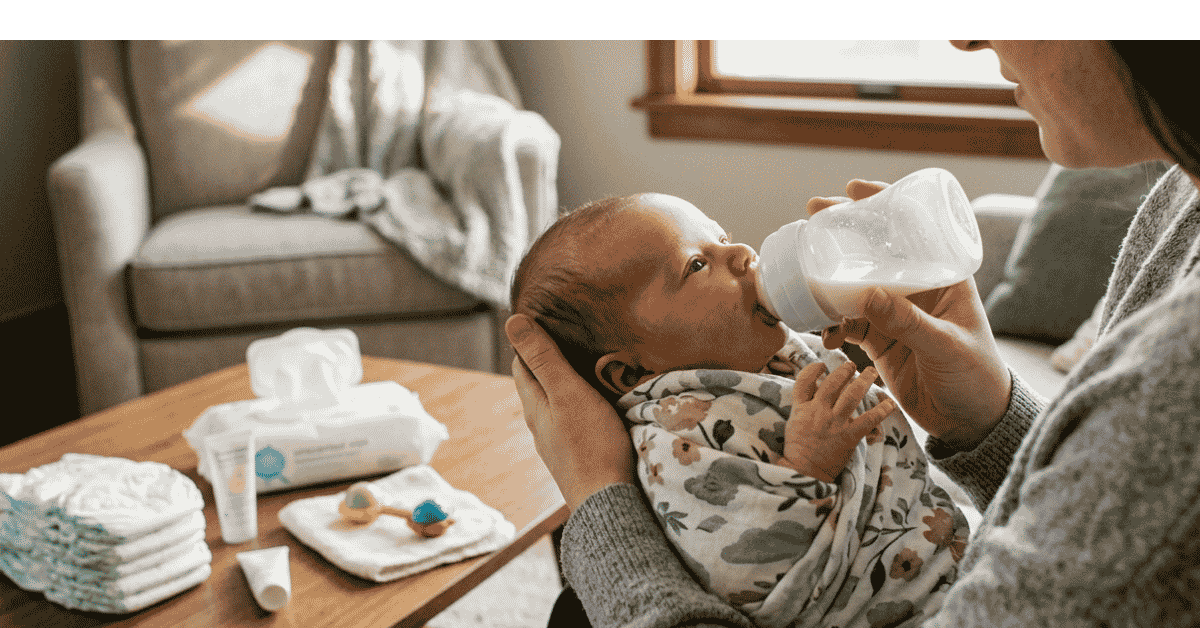
Baby Care Tips for new parents with easy feeding, sleep, and bath ideas. Learn simple newborn care tricks for calm days and nights at home.
Baby care tips felt hard to me at first, like trying to dance with no music. On my first week home, I woke up at 4 a.m. just to check if my baby was still warm and fine. That fear is real for most new moms and dads. In this guide, I’ll share simple newborn baby care tips, safe feeding facts, and small tricks that truly help day and night. You’ve got this, one tiny step at a time.
Understanding Your Newborn’s First Few Weeks

The first few weeks with my baby felt sweet, hard, and strange all at once. One night, I stood in my small kitchen at 3 a.m., holding my crying baby while cold tea sat on the table beside me. I felt tired, scared, and happy at the same time. If you feel that way too, you are not alone. Taking care of a newborn takes time, practice, and a lot of deep breaths.
What Happens During the Newborn Stage
The newborn stage lasts from birth to about 3 months. Before my baby came home, I thought newborns would mostly sleep and eat. That was not my real life at all. Some days felt calm. Other days felt long and loud.
These were the most common newborn baby behaviors I saw:
- Sleeping for short hours
- Crying a lot in the late evening
- Waking up many times at night
- Feeding again and again during cluster feeding
- Jerking arms or legs from the startle reflex
One thing shocked me most. My baby had no clear routine. Monday felt easy. Tuesday felt wild. That change is normal. Newborns are still getting used to light, sound, touch, and hunger outside the womb.
I also learned that newborn sleep patterns are very uneven. My baby slept well in the day but stayed wide awake at night. I remember walking up and down the hall with messy hair and sore eyes while softly humming old songs.
| Common Newborn Behavior | What I Learned |
|---|---|
| Crying often | Babies cry to show a need |
| Sleeping in short naps | Tiny stomachs need more feeds |
| Cluster feeding | Growth spurts can cause this |
| Startle reflex | Fast body jumps are normal |
| Wanting cuddles | Touch helps babies feel safe |
Essential Things Every New Parent Should Know
One of the best baby care tips I learned is this: newborns do not follow perfect plans. I tried to make a strict routine in week one, and it only made me stressed.
Every baby grows in a different way. Some babies sleep more. Some want to feed every hour. Some cry more at night. That does not mean you are failing.
It also takes time to learn baby cues. At first, every cry sounded the same to me. After a few weeks, I noticed small signs:
- Rooting meant hunger
- Eye rubbing meant sleep
- Pulling legs up meant gas
These tiny clues made taking care of a newborn much easier.
Skin-to-skin contact helped me too. One rainy afternoon, my baby cried for almost an hour. I placed my baby on my chest and sat still for a few minutes. The crying slowly stopped. I felt calm again too. That close touch helps babies feel warm, safe, and loved.
Signs Your Baby Is Healthy
In the first month, I worried about almost everything. I checked my baby many times during the night just to make sure breathing was fine. That fear is common for new moms and dads.
These signs often mean your newborn is healthy:
- Wet diapers each day
- Slow and healthy weight gain
- Strong crying
- Good feeding sessions
- Sleeping between feeds
Newborn poop can also look strange at first. I once searched diaper colors on my phone at midnight because I thought something was wrong. Most changes are normal in the early weeks.
Still, call a pediatrician if you notice these signs:
- Fever
- Trouble breathing
- Very poor feeding
- Weak crying
- Very few wet diapers
Trust your gut feeling. Parents notice small changes fast. If something feels wrong, it is always okay to ask for help.
Newborn Baby Care Tips Every Parent Needs
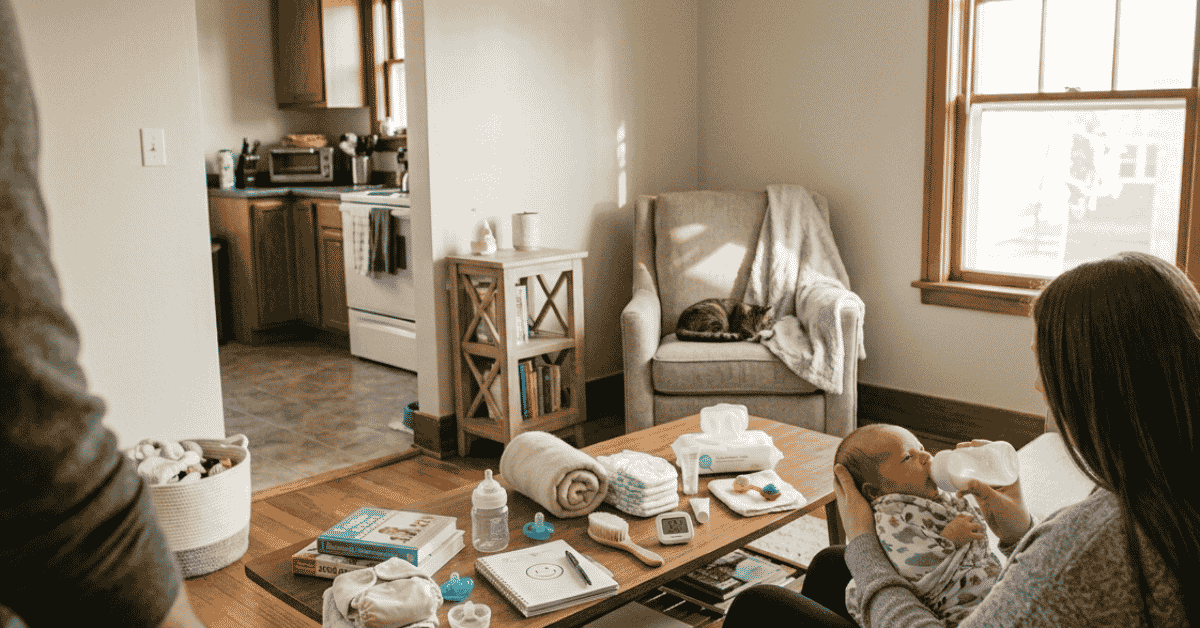
Caring for a newborn is made of small jobs. Feed. Burp. Change. Rock. Then do it all again. I still laugh when I think about one cold Friday night when my baby peed during a diaper change and hit my shirt too. I was tired, but I laughed anyway. These small moments can feel hard at first. With time, they start to feel normal.
Safe and Gentle Bathing Tips
The first bath scared me more than it scared my baby. I kept touching the bath water every few seconds because I thought it felt too hot. Then too cold. Then too hot again.
One thing helped me relax. Newborns do not need baths every day. Two or three baths each week are enough for most babies. Too many baths can dry baby skin.
These baby care tips helped me most:
- Use warm water, not hot water
- Keep bath time short
- Use soft towels
- Pick fragrance-free baby wash
- Keep the room warm
Before the umbilical cord fell off, I gave sponge baths only. My doctor told me to keep the cord dry and clean. I checked it all the time because it looked strange to me at first.
My baby loved warm towels after baths. The calm little face after bath time always made me smile.
| Baby Bath Tip | Why It Helped |
|---|---|
| Warm water | Baby stayed calm |
| Short baths | Less crying |
| Soft towel | Helped soft skin |
| Mild baby wash | Less dry skin |
| Sponge baths first | Kept cord dry |
Diaper Changing Basics
I did not know one tiny baby could use so many diapers. Some days felt endless. One night, I changed a diaper at 2 a.m. and forgot to put the clean diaper under the baby first. Big mistake.
Newborns need diaper changes often. Wet diapers left too long can lead to diaper rash.
These newborn baby care tips made diaper changes easier for me:
- Keep wipes and diapers close
- Change diapers after poop fast
- Let skin dry before a new diaper
- Use diaper cream if skin looks red
- Keep spare clothes nearby
I also learned that bright lights at night wake babies fast. A small dim lamp worked much better during night diaper changes.
Dressing Your Baby Comfortably
I worried all the time about my baby feeling too hot or too cold. I checked tiny hands every hour like a weather report.
Then a nurse gave me simple advice. Check the neck or chest, not the hands. That helped me relax.
These baby care tips worked well for me:
- Use soft cotton clothes
- Dress baby in light layers
- Skip thick blankets during sleep
- Use cool clothes in hot weather
- Keep winter hats for outside only
One warm afternoon, my baby woke up sweaty and upset after a nap. I changed to light cotton clothes, and naps became much better.
Cute outfits also fooled me at first. Tiny buttons at 3 a.m. are not fun. Zip-up sleepers saved my sanity.
Safe Sleeping Habits
Newborn sleep made me nervous. I woke up many nights just to check breathing. Most new parents do this at least once.
Safe sleep matters a lot for newborn care. My doctor gave me one clear rule. Always place the baby on the back to sleep.
These safe sleep habits helped us:
- Use a firm crib mattress
- Keep toys out of the crib
- Avoid pillows and thick blankets
- Use a fitted crib sheet
- Keep the room calm and cool
I stopped using loose blankets after learning more about safe newborn sleep. A light sleep sack felt much safer.
Each night, I made the room dark and quiet before bed. I changed the diaper, held my baby close, and softly hummed near the window. It did not fix every rough night, but it helped us both feel calm.
How Often to Feed Newborn Babies
One of my biggest worries was knowing if my baby ate enough. I remember sitting on my bed at 2 a.m. with messy hair and cold toast on the table beside me. I kept looking at the clock after each feed. Some days, feeding felt nonstop. That is very normal with newborns. Tiny babies need milk often because their stomachs are very small.
Breastfeeding Basics for Beginners
I thought breastfeeding would feel easy right away. It did not for me. My baby would latch, stop, cry, then try again a few minutes later. I felt tired and confused during the first week.
Most newborns breastfeed every 2 to 3 hours. Some feed more during cluster feeding. One rainy night, my baby wanted milk almost every hour. I thought I was doing something wrong. Later, I learned that growth spurts can cause this.
These hunger cues helped me know feeding time was close:
- Sucking on hands
- Turning toward the chest
- Opening the mouth
- Lip smacking
- Fussing before crying
I also learned not to wait too long. A very upset baby can struggle to latch well.
These baby care tips helped breastfeeding feel easier:
- Hold baby close
- Stay calm during feeds
- Feed in a quiet spot
- Try different feeding holds
- Ask for help if feeding hurts
At first, breastfeeding felt stressful. After some time, it became smoother for both of us.
| Hunger Cue | What It Meant |
|---|---|
| Hand sucking | Baby felt hungry |
| Rooting | Baby looked for milk |
| Fussing | Feeding time was near |
| Crying hard | Baby was very hungry |
Formula Feeding Tips
Some parents breastfeed. Some use formula. Some do both. I learned that feeding your baby well matters most.
Formula feeding also takes care and patience. During the newborn stage, I washed bottles so often that my kitchen sink always looked full.
These formula feeding tips helped me:
- Wash hands before bottle prep
- Follow the formula steps closely
- Use clean bottles each time
- Test milk on your wrist first
- Throw away leftover formula
Newborns drink small amounts at first. My baby often fell asleep right after feeding with tiny milk drops near the mouth.
These signs helped me know my baby was full:
- Slower sucking
- Turning away
- Relaxed arms and hands
- Falling asleep after feeds
Bottle cleaning felt hard during week one. Later, it became part of my normal day.
Feeding Schedule Expectations
Before I became a parent, I thought babies followed neat feeding schedules. My baby clearly did not get that memo.
Newborn feeding patterns change a lot. One day felt calm. The next day felt like one long feeding session.
These newborn baby care tips helped me stress less:
- Feed when baby shows hunger signs
- Expect extra feeds during growth spurts
- Keep night feeds quiet
- Do not compare babies
- Stay flexible with routines
My baby also mixed up day and night at first. One early morning, I sat near the window feeding my baby while the whole house stayed dark and silent except for soft swallowing sounds.
I tracked every feeding in my phone during the first weeks. It helped for a while. Later, I stopped checking every minute because it made me anxious.
Burping and Digestion Tips
Newborn gas shocked me. Such a tiny baby can make such a loud burp.
Burping helped my baby feel much better after feeds. These burping spots worked best for me:
- Over my shoulder
- Sitting on my lap
- Across my knees
My baby also spit up sometimes after feeding. Small spit-ups were normal for us. Forceful vomiting felt very different and needed a doctor visit.
These gentle tummy tricks helped calm gas:
- Soft back pats
- Slow rocking
- Bicycle leg moves
- Holding baby upright after feeds
One warm night, my baby cried for almost twenty minutes from gas. Then came one huge burp. Right after that, the room went quiet. I laughed so hard from relief that I almost woke the baby again.
Baby Care Tips for New Moms
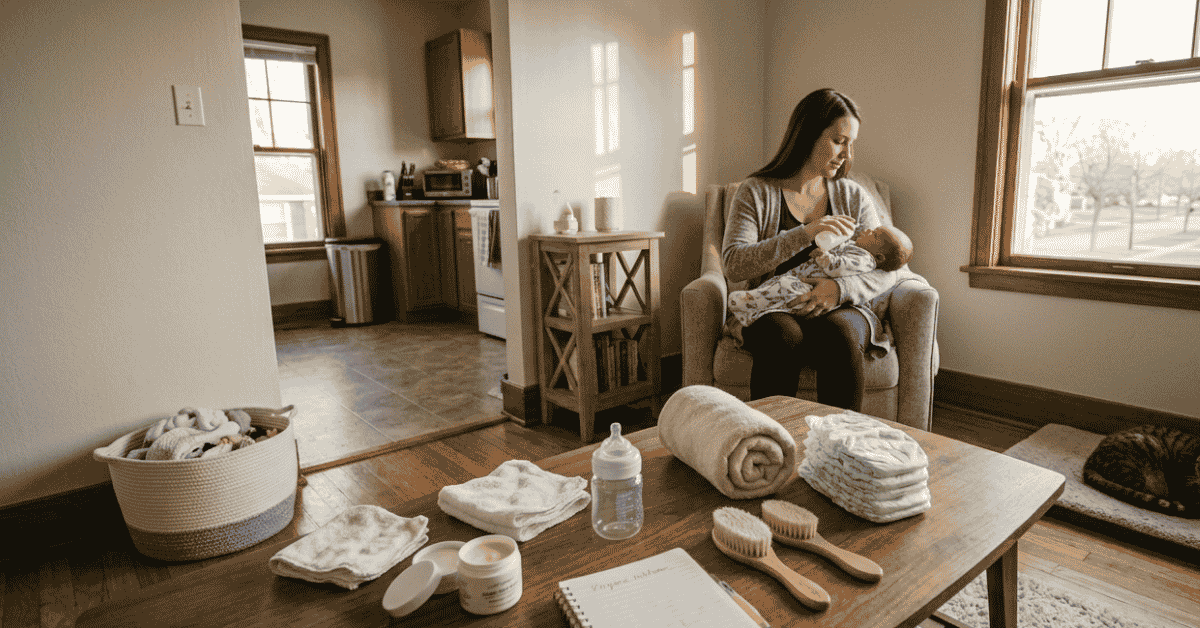
In the first few weeks, I spent so much time caring for my baby that I forgot about myself. One day, I found cold coffee on the table and realized I had not even drank water since morning. That happens to many new moms. We focus on the baby first and forget our own needs. But one thing became clear to me very fast. A healthy mom can care for a baby much better.
Recovering While Caring for a Baby
After birth, my body felt sore and tired. Some days, even getting out of bed felt hard. I thought I would bounce back fast. I did not.
Rest helped me more than anything else. Short naps made a huge difference, even if they only lasted twenty minutes.
These baby care tips helped me recover:
- Drink water often
- Eat easy meals
- Rest when the baby sleeps
- Wear soft clothes
- Accept help from others
At first, I felt bad asking for help. Then one rainy afternoon, my sister held the baby while I slept on the couch for an hour. I woke up feeling calm for the first time in days.
Sleep loss also felt harder than I expected. One night, I warmed the same cup of tea three times and still forgot to drink it.
| Recovery Tip | Why It Helped |
|---|---|
| Drinking water | Helped my energy |
| Short naps | Improved my mood |
| Easy meals | Saved time |
| Asking for help | Lowered stress |
| Soft clothes | Felt more comfy |
Emotional Changes After Birth
The emotional side of new motherhood surprised me most. I cried over very small things during the first weeks. One night, I cried because the baby woke up five minutes after I fell asleep.
Baby blues are common after birth. I felt tired, emotional, and stressed some days. Those feelings slowly became easier with rest and support.
Still, postpartum depression is different. Sad feelings may last longer and feel much heavier. Talking to a doctor can really help if those feelings do not go away.
These feelings are common for many new moms:
- Feeling nervous often
- Worrying all the time
- Feeling lonely at home
- Doubting yourself
- Feeling very tired
My confidence grew slowly. I stopped trying to be perfect. I started feeling proud of small wins instead.
Support also mattered a lot. A short talk with another mom could calm me faster than reading long parenting posts online.
Daily Routines That Actually Help
Before my baby came home, I imagined calm mornings and neat routines. Real life looked very different. Burp cloths covered my couch, and diapers somehow appeared in every room.
Simple routines helped me most. Not perfect ones. Just simple ones.
These newborn baby care tips made my days easier:
- Keep diapers in more than one spot
- Make a small feeding area
- Wash bottles before bed
- Keep snacks nearby
- Do one task at a time
I also learned to lower my expectations. Some days, feeding my baby and brushing my teeth felt like enough.
Being flexible helped more than strict schedules. One sunny morning, I planned to clean the kitchen during nap time. Instead, my baby wanted cuddles for two hours straight. The kitchen stayed messy. That was okay.
Self-Care Without the Pressure
After becoming a mom, self-care looked very small and simple. Sometimes, it just meant eating warm food before it turned cold.
These small things helped me feel better:
- Short walks outside
- Fresh air from an open window
- Warm meals
- Quiet music
- Deep breaths during stress
One evening, I stepped outside while my baby slept. Cool air hit my face, and for one minute, I felt calm again.
I also stopped chasing perfect parenting. Social media made motherhood look neat and easy. My real life had messy hair, milk stains, and piles of laundry. That is normal.
Some days will feel smooth. Some will feel very hard. Both are part of taking care of a newborn and learning how to care for yourself too.
Taking Care of a Newborn During Day and Night
The first weeks with my baby felt like one very long day. Morning, afternoon, and night all mixed together. Some nights felt calm and sweet. Other nights felt endless. I still remember sitting by my bedroom window at 3 a.m. while the fan hummed softly and my baby made tiny feeding sounds. Taking care of a newborn day and night takes time, patience, and small habits that slowly make life easier.
Managing Daytime Baby Care
Daytime felt easier for me than nighttime at first. Sunlight helped me stay awake, even after very little sleep.
One thing I learned fast was this. Newborns get tired very quickly. If my baby stayed awake too long, crying got much worse.
These baby care tips helped me during the day:
- Watch for sleepy signs early
- Open curtains for daylight
- Talk softly during diaper changes
- Keep tummy time short
- Let naps happen often
After a few weeks, I noticed sleepy cues more easily. My baby rubbed the eyes, yawned, and stared into space before getting fussy.
Tummy time also took practice. My baby cried during the first few tries. I started with one minute on a soft blanket near the couch. Little by little, it became easier.
I also talked to my baby all day long. I talked about laundry, lunch, and even the weather outside. It probably sounded silly, but the soft voice seemed calming.
| Daytime Baby Care Tip | Why It Helped |
|---|---|
| Daylight in the room | Helped day and night rhythm |
| Early naps | Less crying |
| Short tummy time | Built neck strength |
| Soft talking | Helped bonding |
| Watching sleepy signs | Prevented overtired stress |
Surviving Night Feedings
Night feedings felt very hard during the first month. Some nights, I felt like I had just fallen asleep before the baby woke again.
A small setup near my bed helped a lot. I kept wipes, diapers, burp cloths, and water close by. That saved me from walking around the house half asleep.
These newborn baby care tips made nights calmer for me:
- Keep lights low
- Speak softly at night
- Change diapers slowly
- Keep feeding tools nearby
- Stay calm during crying
Bright lights woke my baby too much. I switched to a small dim lamp, and nighttime feeds became smoother.
One funny night, I rocked a pillow for almost a full minute before noticing my baby was already asleep in the crib. Sleep loss can make your brain do strange things.
I also stopped checking my phone during feeds. That helped me fall asleep faster after nighttime baby care.
Creating a Calm Home Environment
At first, I thought babies could sleep through any noise. My baby proved me wrong very fast.
Too much noise or too many visitors often made evenings harder. One busy Sunday, family visited all afternoon. By bedtime, my baby was overtired and cried for nearly an hour.
These baby care tips helped create a calmer home:
- Keep TV sounds low
- Use soft white noise
- Limit loud visitors
- Keep bedtime simple
- Dim lights before sleep
White noise helped more than I expected. Soft fan sounds or quiet rain sounds often calmed my baby during naps and bedtime.
Our nighttime routine stayed simple:
- Fresh diaper
- Quiet feeding
- Dim lights
- Gentle rocking
- Soft humming
The routine did not fix every hard night. Some nights still felt long. But those small habits helped both me and my baby feel safe and calm before sleep.
Common Newborn Care Mistakes to Avoid
Every new parent makes mistakes. I know I did. One night, I searched “why does my baby make weird sleep sounds” at 2 a.m. while eating dry cookies in bed. Most of those sounds were normal. Taking care of a newborn comes with a lot of learning. Small mistakes happen to almost everyone.
Overheating the Baby
At first, I worried so much about my baby feeling cold that I used too many blankets and layers.
One warm afternoon, I picked my baby up after a nap and noticed sweaty hair and red cheeks. I felt bad right away. Later, my doctor told me babies can get too hot very fast.
These signs helped me notice overheating:
- Sweaty neck
- Damp hair
- Red cheeks
- Fast breathing
- Restless sleep
These baby care tips helped me keep my baby comfy:
- Dress baby in light layers
- Use soft cotton clothes
- Keep the room cool
- Skip thick blankets
- Check the chest or neck
I also learned that cool hands do not always mean the baby is cold.
| Sign Baby Felt Too Warm | What Helped |
|---|---|
| Sweaty hair | Removed one layer |
| Red cheeks | Used lighter clothes |
| Warm chest | Lowered room heat |
| Poor sleep | Kept room cooler |
Comparing Your Baby to Others
I compared my baby to other babies all the time at first. It only made me more stressed.
One night, I read about a baby sleeping six straight hours. Meanwhile, my baby woke every two hours like a tiny alarm clock.
Every newborn grows in a different way. Some babies feed more. Some sleep less. Some cry more often. That is normal.
These newborn baby care tips helped me stop comparing:
- Focus on your own baby
- Trust your pediatrician
- Ignore scary online stories
- Stay off social media sometimes
- Celebrate small wins
I felt calmer once I stopped chasing perfect baby routines online.
Ignoring Your Own Health
This was one of my biggest mistakes. I cared for my baby all day and forgot about myself.
One morning, I felt dizzy in the kitchen and realized I had not eaten or drank water for hours.
These signs showed me I was too tired:
- Crying more often
- Feeling angry fast
- Forgetting simple things
- Bad headaches
- Feeling tired all day
These baby care tips helped me feel better:
- Drink more water
- Eat easy meals
- Rest when possible
- Ask for help early
- Step outside for fresh air
I also learned that burnout builds slowly. Getting help sooner made life much easier.
Using Too Many Baby Products
Before my baby arrived, I bought so many baby things that my closet barely closed. Some items helped a lot. Some never left the box.
Newborn care became easier once I kept things simple.
These baby items helped me most:
- Soft burp cloths
- Gentle baby wash
- Diapers and wipes
- Cotton baby clothes
- A safe crib
I also stopped using strong scented baby products after my baby got dry skin.
One funny thing surprised me most. My baby liked staring at the ceiling fan more than the fancy toy I spent money on.
Simple baby care tips often work best.
Baby Essentials That Make Life Easier
Before my baby came home, I bought too many baby things. One night at 2 a.m., I even ordered a fancy bottle warmer because I thought it would fix my life. It did not. The real heroes were simple things like burp cloths and zip-up sleepers. Taking care of a newborn feels much easier when you keep things simple.
Feeding Essentials
Feeding items quickly took over my house. I once found a burp cloth in the bathroom and another one under the couch.
These baby care tips helped me most during feeds:
- Keep clean bottles ready
- Store burp cloths nearby
- Keep water close during feeds
- Wash bottles before bed
- Keep formula tools in one place
Burp cloths helped me every single day. Tiny babies can spit up a lot.
A nursing pillow also helped my arms during long feeding sessions. At first, I thought I would never need one. Then came cluster feeding.
If you pump milk, a simple breast pump can help save time too.
| Feeding Item | Why It Helped |
|---|---|
| Burp cloths | Helped with spit-up |
| Bottles | Made feeds easier |
| Nursing pillow | Helped sore arms |
| Formula tools | Saved time |
| Breast pump | Helped store milk |
Sleep and Comfort Items
Newborn sleep can feel very strange. One night, my baby slept well. The next night, my baby stared at me at 1 a.m. like bedtime was canceled forever.
Safe sleep items mattered most for newborn care.
These baby essentials helped my baby sleep better:
- Firm crib mattress
- Fitted crib sheet
- Light swaddle
- Soft sleep sack
- White noise machine
I stopped using loose blankets after learning more about safe newborn sleep. Sleep sacks felt much safer to me.
White noise helped more than I expected. One rainy night, soft fan sounds calmed my baby faster than rocking.
Pacifiers worked sometimes for us. Other times, my baby spit them out like a tiny judge on a cooking show.
Hygiene and Health Products
I never knew such a tiny baby could make so much laundry. Baby towels and washcloths ended up all over my house.
These newborn baby care tips helped me stay ready:
- Keep a baby thermometer nearby
- Use gentle baby wash
- Buy extra washcloths
- Keep soft towels clean
- Use a nasal aspirator for stuffy noses
The nasal aspirator looked scary to me at first. Then my baby got a stuffy nose one cool night, and suddenly that tiny tool felt very important.
I also stopped using strong scented baby products after my baby got dry skin.
These health items helped me most:
- Baby thermometer
- Soft towels
- Gentle baby wash
- Washcloths
- Nasal aspirator
One thing I learned very fast is this. Newborn care gets easier when simple baby items stay close by. At 3 a.m., no parent wants to dig through drawers while holding a crying baby.
When to Contact a Doctor About Your Newborn
In the first few weeks, I worried about almost everything. One cold night, I watched my baby sleep for nearly ten minutes because the breathing sounded strange to me. Newborns make many odd sounds, and most are normal. Still, some signs need fast medical care. One of the best baby care tips I learned is this: trust your gut feeling. If something feels wrong, it is okay to call a doctor.
Warning Signs Parents Should Never Ignore
At first, I kept telling myself I was just nervous. Then my doctor told me something that helped a lot. Parents often notice small changes very fast.
These newborn warning signs should not be ignored:
- Fever
- Trouble breathing
- Poor feeding
- Very low energy
- Weak crying
- Very few wet diapers
One evening, my baby felt warm and would not wake up well for feeding. I called the doctor right away. Everything turned out fine, but that phone call helped me feel calmer.
Breathing changes also scared me at first. Tiny babies sometimes breathe in uneven ways. But blue lips, chest pulling, or very fast breathing are not normal.
| Warning Sign | Why It Matters |
|---|---|
| Fever | May mean illness |
| Poor feeding | Baby may feel sick |
| Trouble breathing | Needs quick care |
| Very sleepy baby | Could be serious |
| Few wet diapers | May mean low fluids |
Common Minor Issues That Are Usually Normal
Some newborn problems look scary but are very common. I learned this after many late-night searches on my phone.
These small newborn issues are often normal:
- Hiccups
- Sneezing
- Baby acne
- Dry peeling skin
- Small spit-ups
My baby hiccupped almost every day after feeds. At first, I thought something was wrong. Later, I learned many newborns get hiccups often.
Baby acne also scared me the first time I saw it. Tiny red bumps suddenly showed up on my baby’s cheeks one morning. A few weeks later, they faded away on their own.
Sneezing worried me too. But newborn noses are tiny, so babies sneeze often to clear them.
Still, if something suddenly gets worse or your baby seems very upset, call your doctor.
Preparing for Pediatrician Visits
Our first pediatrician visit felt stressful for me. I packed the diaper bag like we were leaving home forever.
Later, I learned that simple notes helped a lot during visits.
These newborn baby care tips made doctor visits easier:
- Track feeding times
- Count wet diapers
- Bring extra baby clothes
- Write down questions
- Keep health papers nearby
One funny moment still makes me laugh. Right before one visit, my baby had a huge diaper blowout in the waiting room. I used almost every wipe in my bag before the appointment even started.
These questions helped me most during visits:
- Is my baby gaining weight well?
- Are feeding habits normal?
- Is this rash okay?
- What vaccines come next?
- Are sleep patterns normal?
Doctor visits slowly made me feel more confident about taking care of a newborn. Every visit taught me something new.
FAQs
What are the best baby care tips for first-time parents?
Keep newborn care simple. Feed on cue, change diapers often, and let your baby sleep safely on the back. Learn more about easy newborn routines and sleep tips.
How often should I feed my newborn baby?
Most newborns feed every 2 to 3 hours. Some feed more during growth spurts or cluster feeding. Learn more about newborn hunger cues and feeding patterns.
What are normal newborn sleep patterns?
Newborns sleep in short stretches day and night. Waking often is very normal in the first months. Learn more about safe sleep and bedtime habits.
When should I call a doctor about my newborn?
Call a doctor for fever, breathing trouble, poor feeding, or very low energy. Trust your instincts if something feels wrong. Learn more about warning signs.
What baby essentials do new parents really need?
Simple items help most. Keep bottles, burp cloths, diapers, soft clothes, and a safe crib nearby. Learn more about useful newborn baby care essentials.