A 45-inch waist often falls around a US women’s plus-size range, roughly size 20 to 24 in some clothing brands. However, there is no single standard size for every brand, and jeans, pants, skirts, and dresses may fit differently. Check the brand’s waist chart and measure your body before choosing a size.
Shopping for women’s clothing in the United States can get confusing when a size chart lists inches instead of standard sizes. A 45-inch waist gives you a useful starting point, but it does not tell the whole story. Your hip measurement, body shape, preferred fit, and the cut of the garment can all affect which size feels right.
For example, a pair of jeans with a labeled size 22 may fit well in one brand but feel tight or loose in another. Some brands use waist measurements in inches, while others use numbers such as 18W, 20W, or 22W. This guide explains how to interpret a 45-inch waist, compare size charts, and find clothes that fit without relying on a number alone.
A 45-inch waist may fit a US women’s clothing size around 20 to 24, but the exact size depends on the brand. Some brands use a different measurement range for each numbered size. Others have separate charts for misses, women’s, and plus-size clothing.
A waist measurement of 45 inches equals 114.3 centimeters. This is the circumference around your waist, measured with a flexible tape. It is a body measurement, not a guaranteed measurement of the waistband on your jeans.
A general size estimate is helpful when you start shopping, but it should not be your final decision. A brand may place a 45-inch waist near the top of one size or within another. Always check the chart for the exact garment you want to buy.
Source: pragyanclasses.com
Approximate US size
A size around 20 to 24 may be a useful starting point, but some brands may use a different range.
Waist in centimeters
A 45-inch waist is about 114.3 centimeters.
Best way to confirm
Compare your waist and hip measurements with the brand’s current size chart.
Why There Is No Universal Size
Women’s clothing sizes are not fully standardized across US brands. Each company may use its own body measurements, fit model, and grading method. This means the same waist measurement can lead to different size labels.
The garment type also matters. A stretchy pair of leggings may fit differently from rigid denim or a fitted dress. Even two pairs of jeans from the same brand may use different cuts and rises.
Brand sizing
Each company sets its own size chart and fit standards.
Clothing design
High-rise jeans, low-rise pants, skirts, and dresses do not always sit at the same part of the body.
45-Inch Waist Women’s Size Chart
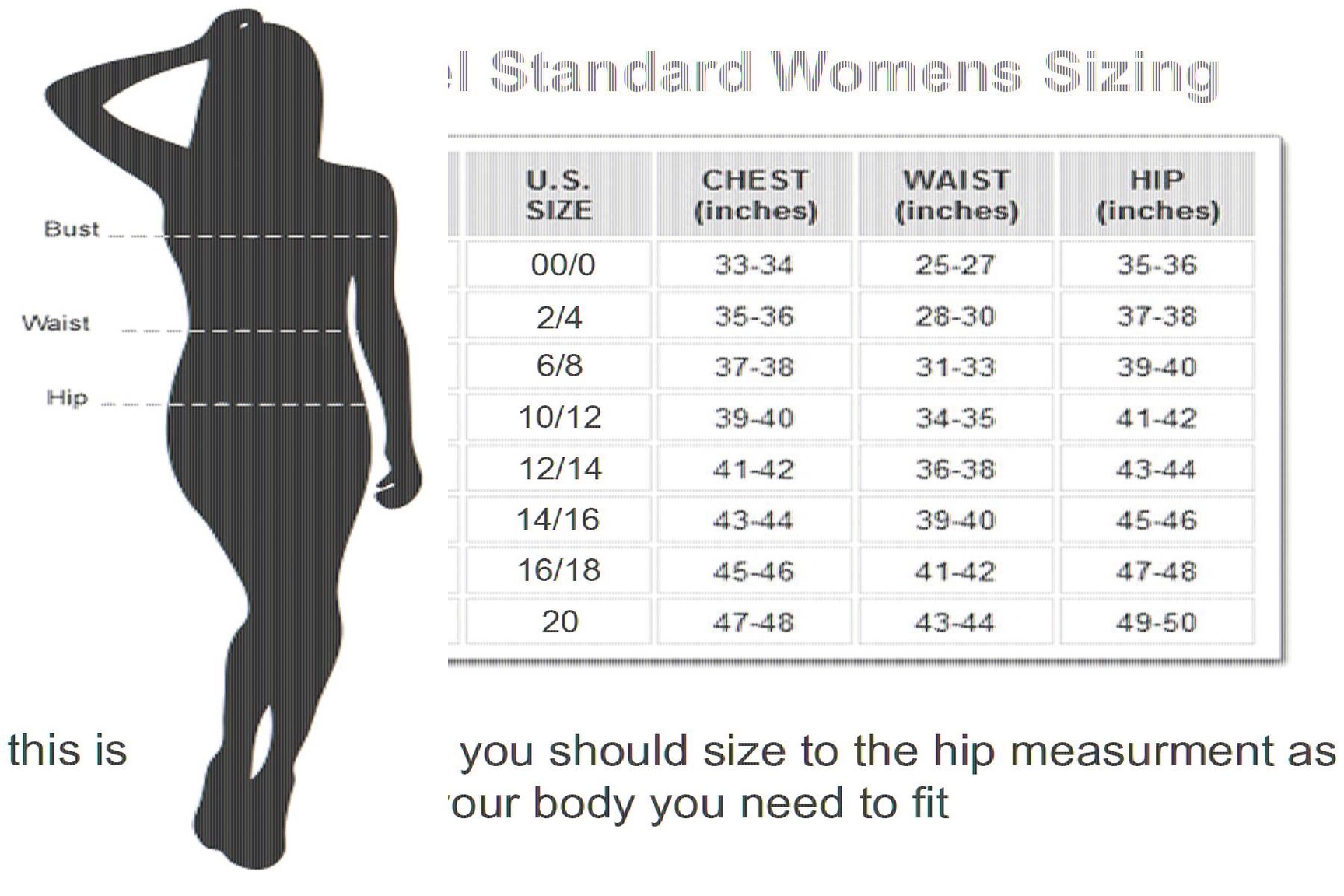
A general chart can help you narrow your choices before you shop. The table below gives a broad estimate for US women’s clothing. It is not an official conversion chart for every retailer, so treat the ranges as a starting point rather than a fixed rule.
A 45-inch waist may fall within a size 20, 22, or 24 range, depending on the sizing system. Some brands use plus-size labels with a W, while others use standard numeric sizes. The waist measurement listed for a garment or body size chart is the detail that matters most.
Source: incheschart.com
Size 20
May fit some shoppers whose waist is near 45 inches, depending on the brand’s measurements and the garment cut.
Size 22
May be suitable in brands whose size chart places a 45-inch waist within this size range.
Size 24
May be needed in some brands, especially when the garment has less stretch or a smaller waist measurement.
General US Women’s Size Estimates
Use this table to understand the possible range, not to select a size without checking the brand. The values are illustrative estimates, not a universal standard. Actual waist and hip ranges vary across manufacturers.
Around 40 to 42 inches
May fall within a range of larger US women’s sizes, depending on the chart.
Around 43 to 45 inches
May fall near sizes 20 to 24 in some brands.
Around 46 to 48 inches
May require a larger size in brands with smaller size measurements.
How to Read a Size Chart Correctly
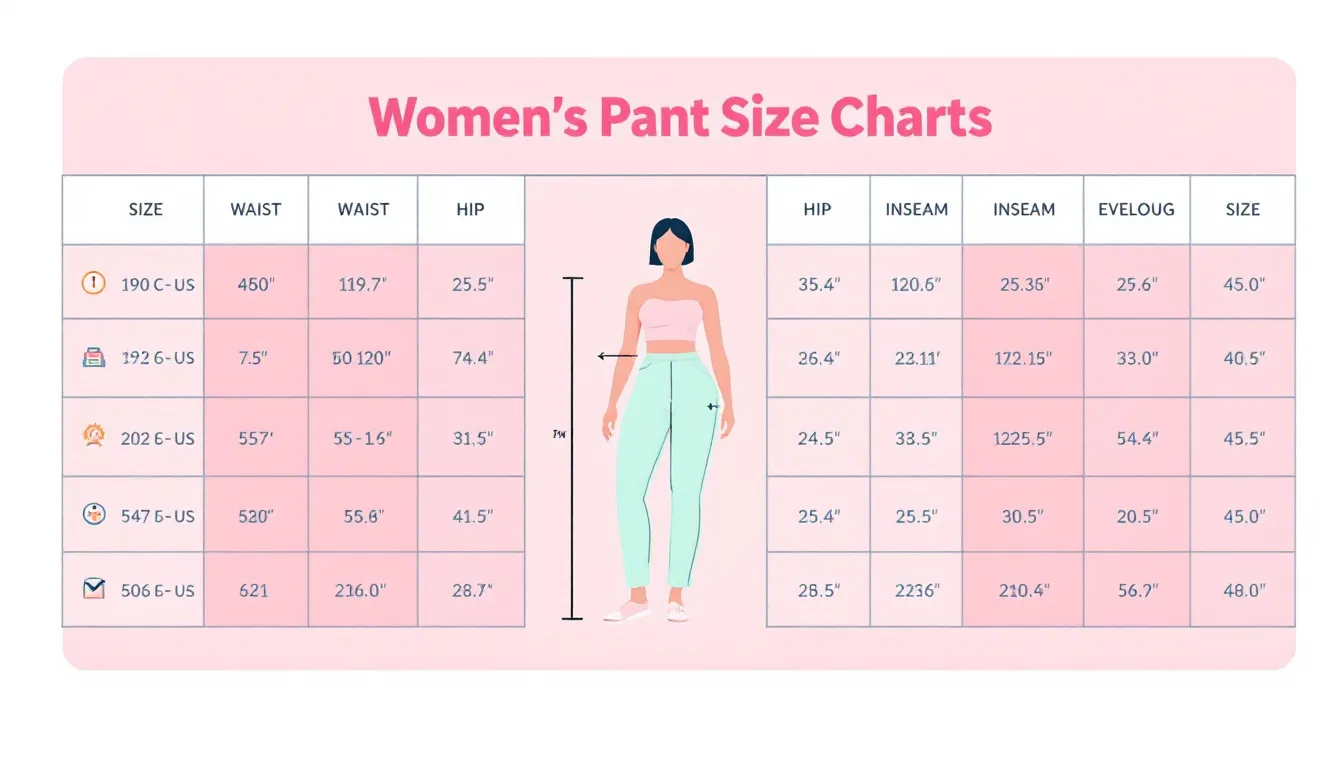
First, find the waist measurement column. Check whether the chart describes body measurements or the actual garment. Body measurements tell you which size is intended to fit you. Garment measurements describe the finished clothing and may include extra room or stretch.
Next, check the hip measurement. This step matters when buying jeans, trousers, fitted skirts, or dresses. If your waist fits one size but your hips fit another, use the garment’s design and the brand’s fit advice to decide which size is more likely to work.
Body measurement chart
Use your own waist, hip, and other listed measurements to choose a size.
Garment measurement chart
Compare the stated garment dimensions with clothing that already fits you well.
How to Measure a 45-Inch Waist at Home
A flexible measuring tape is the easiest way to check your waist size at home. Measure your body before buying clothes, especially when ordering from a retailer you have not used before. A small difference in measurement can affect how fitted clothing feels.
For a useful result, stand in a relaxed position and keep the tape level. Do not pull it so tight that it presses into your skin. The tape should sit close to your body without squeezing it.
Source: dxokirxrp.blob.core.windows.net
Use a flexible tape
A soft sewing tape follows the shape of your body more easily than a rigid ruler.
Stand naturally
Keep your feet in a comfortable position and let your abdomen rest naturally.
Check the reading
Read the tape where its end meets the measurement scale, then repeat the measurement.
Step 1: Find Your Natural Waist
Your natural waist is usually the narrowest part of your torso between your ribs and hips. It may sit above the place where you wear your favorite jeans. If you are unsure where it is, bend gently to one side and look for the crease that forms.
Keep the tape level
Make sure it does not rise at the back or dip at the front.
Step 2: Wrap and Read the Tape
Wrap the tape around your natural waist without twisting it. Breathe normally and keep your stomach relaxed. Record the measurement in inches, then repeat it to check that you get a similar result.
Avoid pulling too tight
A tight tape can give a smaller reading than your actual body measurement.
Step 3: Measure Your Hips
Stand with your feet close together and wrap the tape around the fullest part of your hips and buttocks. Keep the tape level all the way around. Record this measurement too, since many pants and dresses need enough room through the hips.
Use both measurements
Compare your waist and hips with the same brand’s size chart before ordering.
Does a 45-Inch Waist Mean the Same Size in Jeans and Pants?
No. A 45-inch body waist does not guarantee the same size in jeans, dress pants, leggings, or casual trousers. Each type of clothing has a different cut, waistband design, and amount of stretch.
Jeans are especially tricky because their rise changes where the waistband sits. High-rise jeans sit closer to the natural waist, while mid-rise and low-rise styles sit lower on the torso. A measurement taken at your natural waist may not match the circumference where a low-rise waistband rests.
Source: ar.inspiredpencil.com
Jeans
Check waist, hip, rise, and stretch details. A rigid denim style may feel less forgiving than stretch denim.
Dress pants
Look for the intended fit and whether the waistband sits at your natural waist or below it.
Leggings
Stretch can affect comfort, but the waistband should not roll down or feel painfully tight.
Skirts
Measure where the skirt is designed to sit and check the hip measurement for fitted styles.
Why Jeans Sizes Can Be Confusing
Some women’s jeans use numbered sizes, such as 18, 20, or 22. Others display waist measurements in inches, and some list both waist and inseam. These labels do not always match actual body measurements.
A size labeled 22 does not necessarily have a finished waistband that measures 22 inches or 45 inches. The number is a size label within that brand’s system. Check the measurement guide instead of assuming that the number equals your waist circumference.
Stretch denim
May adapt more easily to body movement, depending on the fabric blend and construction.
Rigid denim
Usually offers less stretch, so the waist and hip measurements deserve close attention.
How to Choose Between Two Women’s Sizes
When your measurements fall between two sizes, use the garment’s cut, fabric, and fit preference to guide your choice. There is no rule that says you must always size up or always size down. The best choice is the one that fits your body and lets you move comfortably.
Start with the brand’s measurement chart. If your waist matches one size and your hips match another, check whether the garment is designed for a straight, curvy, relaxed, or fitted shape. A garment with a fitted waist and roomy hips may work differently from one with a narrow hip cut.
Source: nmp.unirc.it
Choose based on the largest relevant measurement
For fitted pants and skirts, compare both waist and hip measurements. The more restrictive area may determine the size you need.
Check the fabric
Rigid woven fabric often allows less movement than fabric with stretch.
Read fit notes
Terms such as relaxed fit, slim fit, and stretch waist can help explain how the garment is intended to sit.
Review the return policy
When ordering online, check whether exchanges or returns are allowed before you buy.
When to Size Up
Consider the larger option if the smaller size falls below your body measurement on the brand’s chart or if the garment has little stretch. This may help when a waistband feels restrictive or the fabric pulls across the hips. Check the brand’s sizing advice before making the choice.
Tight waistband
A waistband that digs into your skin or prevents comfortable movement may be too small.
Pulling fabric
Strong horizontal lines or strain across the hips can signal that a garment needs more room.
When a Smaller Size May Work
A smaller size may work if the larger garment slips, gaps, or bunches and the smaller one matches the brand’s measurements. This is more likely to be a useful choice when the fabric has suitable stretch and the garment is designed for a close fit. Do not size down simply because a smaller number seems preferable.
Waistband gaps
A large gap at the back may indicate that the waist cut does not suit your shape.
Excess fabric
Loose fabric around the seat or thighs may point to a different cut or size.
What Is a 45-Inch Waist in Centimeters?
A 45-inch waist equals 114.3 centimeters. To convert inches to centimeters, multiply the number of inches by 2.54. This conversion is useful when shopping from a US retailer that lists measurements in inches or an international store that uses centimeters.
The conversion changes only the unit, not the clothing size. A waist of 114.3 centimeters may still correspond to different labels across brands. Use the converted measurement with the size chart for the exact item.
Source: mind.great2work.co.uk
45 inches
The original waist measurement in the US customary unit.
114.3 centimeters
The equivalent measurement using the metric system.
Conversion formula
Inches multiplied by 2.54 equals centimeters.
How to Convert Other Waist Measurements
Use the same formula for any waist measurement. For example, 40 inches equals 101.6 centimeters, while 44 inches equals 111.76 centimeters. These are body measurements only when you measure your body; they are not automatic garment-size labels.
Check the unit
Make sure the chart lists inches or centimeters before comparing numbers.
Keep the decimal
A precise conversion helps when your measurement falls close to a size boundary.
Common Mistakes When Shopping for a 45-Inch Waist
The most common sizing mistake is choosing clothing from the label alone. A number may look familiar, but it does not tell you the actual waist and hip range used by that brand. A quick check of the chart can prevent a poor fit.
Another mistake is measuring at the wrong spot. Your natural waist and the point where your jeans sit may differ. This is why a 45-inch waist measurement may not line up with the waistband measurement you see on a pair of pants.
Source: ar.inspiredpencil.com
Assuming every size 22 is the same
Size labels differ between brands and garment types, so check the actual chart.
Measuring over bulky clothing
Thick clothing can affect the reading. Measure over light clothing or directly against your body.
Pulling the tape too tight
This can give an inaccurate reading and lead you to choose a smaller size.
Ignoring hip measurements
A waistband may fit while the hips or thighs feel too tight.
Treating size labels as body measurements
A clothing size is a label, not a direct statement of your waist circumference.
What If Your Measurements Fall Outside the Chart?
Look for the brand’s extended-size chart or a garment with a different cut. Some brands offer curvy fits, adjustable waistbands, elastic panels, or relaxed cuts that may better suit your proportions. If a chart does not cover your measurements, contact the retailer for garment measurements before ordering.
A tailor may also be able to adjust some garments, depending on the design and the amount of extra fabric. However, altering a waistband can affect pockets, seams, and the overall shape. Compare the cost and likely result before deciding.
Try another cut
A straight, relaxed, or curvy fit may work better than changing sizes in the same cut.
Ask for garment measurements
Retailers may be able to provide the waist, hip, rise, and inseam measurements of the item.
Does a 45-Inch Waist Determine Health or Body Shape?
A waist measurement alone does not describe a person’s overall health, body shape, or clothing needs. It is one measurement among several, and it should not be used to make assumptions about an individual. Clothing size and health status are different things.
For this guide, the useful point is how the measurement helps with fit. A 45-inch waist can guide clothing selection when it is measured consistently and compared with the right chart. It does not determine whether a particular garment will suit your hips, thighs, torso, or personal style.
Source: shunvogue.com
For clothing
Use waist and hip measurements, garment design, and the brand’s chart to choose a size.
For health questions
Do not draw broad conclusions from a clothing-size guide. Seek qualified medical advice if you have personal health concerns.
For comfort
Choose clothing that allows you to sit, bend, walk, and breathe comfortably.
Focus on Fit Rather Than the Number
A clothing label does not measure your worth or define how you should dress. Sizes exist to help match garments with measurements, but the system varies across stores. The best size is the one that fits the item and your needs.
If two brands use different labels for similar measurements, that difference is normal. Compare the numbers and the garment’s cut instead of treating one label as more correct than another.
Comfort comes first
A good fit should not cause pain, restrict normal movement, or require you to keep adjusting the garment.
Use the size chart
Choose by the stated measurements and fit notes, not by the size label alone.
Frequently Asked Questions
Q
Is a 45-inch waist a size 22 in women’s clothing?
It may be a size 22 in some brands, but there is no universal conversion. A 45-inch waist may fall around US sizes 20 to 24, depending on the brand and garment. Compare your waist and hip measurements with the retailer’s current chart before buying.
Q
What is a 45-inch waist in centimeters?
A 45-inch waist equals 114.3 centimeters. Multiply inches by 2.54 to convert the measurement. The conversion does not determine a clothing size because each brand uses its own size chart.
Q
What size jeans should I buy with a 45-inch waist?
Start by checking the jeans brand’s waist and hip chart. A US women’s size around 20 to 24 may be a starting estimate, but rise, fabric stretch, and cut can change the fit. If the retailer lists garment measurements, compare them with jeans you already own that fit well.
Q
Is a 45-inch waist the same as a 45-inch waistband?
No. A 45-inch waist usually describes your body circumference at a measured point. A waistband measurement describes the clothing itself and may differ because of garment design, stretch, and intended fit. Check whether the size chart lists body or garment measurements.
Q
How do I measure my waist accurately for women’s clothing?
Use a flexible tape around your natural waist, keeping it level and snug without pressing into your skin. Stand in a relaxed position and breathe normally. Repeat the measurement, then measure your hips and compare both numbers with the brand’s chart.
Q
Should I size up if my waist measures 45 inches?
Not automatically. Compare your measurement with the chart for the specific garment. If you fall between sizes, consider the hip measurement, fabric stretch, cut, and fit notes. A larger size may help with a restrictive waistband, while a different cut may solve the problem better than sizing up.
Q
Can I use my waist measurement to choose a dress size?
Your waist measurement helps, but a dress may also depend on bust and hip measurements. For fitted dresses, compare all three measurements with the brand’s chart. For loose or adjustable styles, the waist may be less restrictive, but the listed measurements still help you choose.
✦ Wrapping Up
Conclusion
A 45-inch waist may correspond to a US women’s clothing size around 20 to 24 in some brands. The exact size depends on the retailer, garment type, fabric, and cut. No single number works for every pair of jeans, pair of pants, skirt, or dress.
Measure your natural waist and hips with a flexible tape. Then compare both measurements with the size chart for the item you plan to buy. If your measurements fall between sizes, review the garment’s fit notes and return policy before placing an order.
💡 Key Takeaway
Measure your waist and hips, convert 45 inches to 114.3 centimeters if needed, and use the exact brand’s size chart to select your best-fitting clothing.