A US women’s size 14 in pants often fits a body waist of about 33 to 35 inches and hips of about 43 to 45 inches. These are general estimates, not universal measurements. The exact fit depends on the brand, fabric, rise, cut, and sizing chart.
Shopping for women’s pants in the United States can feel confusing when one brand’s size 14 fits well and another feels too tight. A number on a clothing tag does not always match a fixed waist measurement. Women’s clothing sizes are not fully standardized, so two pairs marked size 14 may fit quite differently.
The best way to find your size is to compare your body measurements with the size chart for the exact brand and style. Start with your waist and hips, then check the rise and inseam if you need a specific fit. This guide explains typical measurements in inches, how to measure at home, and what to check before ordering pants online.
Source: allconversioncharts.com
What Are the Measurements for Women’s Size 14 Pants in Inches?
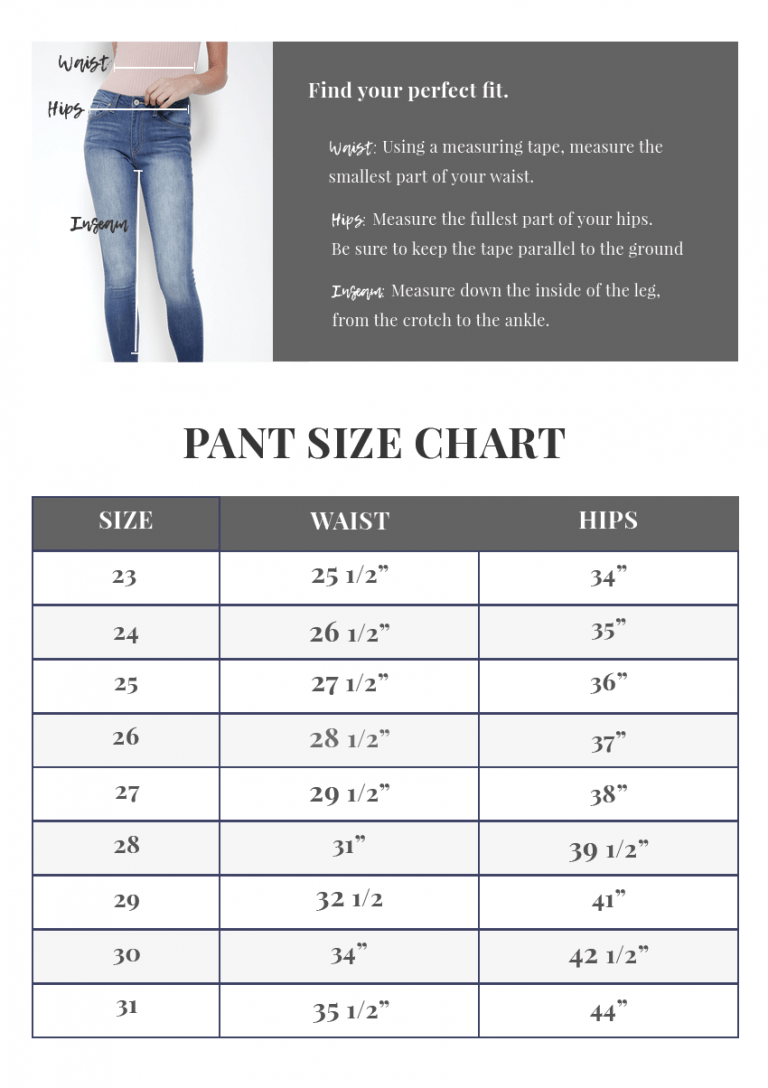
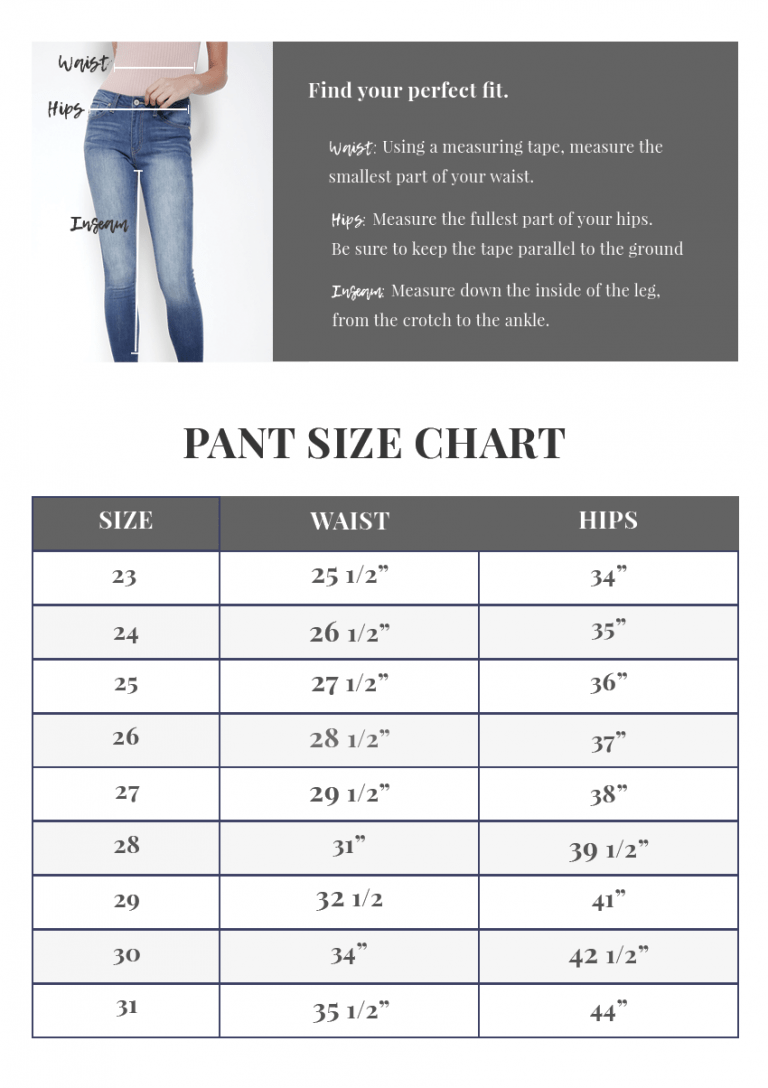
For many US women’s clothing brands, size 14 falls near a 33 to 35-inch body waist and a 43 to 45-inch hip measurement. Treat these figures as a general shopping guide rather than a fixed rule. Some brands use smaller or larger measurements for the same labeled size.
The waist measurement refers to your body, not necessarily the waistband of the pants. The hip measurement usually refers to the fullest part of your hips and seat. These two measurements help you compare your body with a brand’s chart before choosing a size.
A size 14 label alone cannot tell you the exact waist circumference of a finished pair of pants. A relaxed waistband, stretch denim, pleats, and a high-rise cut can all change how the garment fits. Always check whether the chart lists body measurements or actual garment measurements.
Source: incheschart.com
Waist
A rough starting range is 33 to 35 inches around the body, although individual brand charts may use different values.
Hips
A rough starting range is 43 to 45 inches around the fullest part of the hips and seat.
Inseam
The inseam is the length from the crotch seam to the bottom of the leg. It depends on your height, preferred hem length, and the pant style.
Rise
Rise is the distance from the crotch seam to the top of the waistband. It affects where the pants sit on your body.
Typical Size 14 Body Measurements
The table below gives a practical estimate for comparing size charts. These ranges are approximate examples, not an official measurement standard shared by all US brands.
Estimated waist
33 to 35 inches.
Estimated hips
43 to 45 inches.
Estimated size category
Often falls in the regular women’s numerical sizing range, but the brand’s own size labels determine the actual fit.
Why the Numbers May Differ
A size 14 from one clothing line may fit someone with a 34-inch waist, while another brand may recommend a different size for that same measurement. Brands create their own size charts and may design pants for different body shapes and fit preferences.
Fabric also matters. Stretch denim may give more as you move, while rigid denim may feel firm around the waist and hips. A pair of tailored trousers may have a different shape from casual jeans, even when both carry the same size label.
Brand sizing
Use the specific brand’s size chart instead of relying only on a general chart.
Fabric stretch
Look for elastane or spandex content when you want extra give, but do not assume every stretch garment fits the same way.
Cut and rise
High-rise, mid-rise, straight-leg, and relaxed styles place fabric differently around the body.
How to Measure Your Waist and Hips at Home
A flexible measuring tape is the easiest tool for checking your waist and hip size. You can measure yourself at home in a few minutes, even if you do not have a pair of pants that fits well. Ask someone to help if you have trouble keeping the tape level.
Wear thin clothing or measure over your underwear for a more useful result. Stand naturally and keep the tape snug without pulling it tight. The tape should touch your body without pressing into your skin.
Source: zappos.com
What you need
A flexible tape measure, a mirror, and a note or phone to record your measurements.
How to measure your waist
Find the narrowest part of your torso, often above the belly button and below the ribs. Wrap the tape around this area and keep it level.
How to measure your hips
Stand with your feet close together and measure around the fullest part of your hips and seat. Check in a mirror to ensure the tape stays level.
How to record the result
Write down both numbers in inches. Measure again if the tape slips, twists, or feels too tight.
Measure the Area Where You Want Your Pants to Sit
Your natural waist may not be where a pair of low-rise or mid-rise pants sits. If you usually wear high-rise pants, your natural waist measurement is a helpful starting point. For a lower rise, compare the brand’s instructions with the part of your body where the waistband will rest.
Do not confuse the waist of your body with the waist of a pair of pants. A garment may measure differently when laid flat, especially if it has a curved waistband, pleats, elastic, or stretch fabric.
For high-rise pants
Pay close attention to your natural waist and the brand’s rise measurement.
For mid-rise pants
Check where the waistband sits and compare that area with the brand’s fit guidance.
For low-rise pants
Measure the area where the waistband will rest rather than assuming your natural waist tells the whole story.
Measure Pants That Already Fit
A comfortable pair of pants can help you compare garment dimensions. Lay the pants flat on a level surface, smooth out wrinkles, and measure across the waistband from one side to the other. Double that flat width to estimate the waistband circumference, but remember that curved or elastic waistbands can make this method less exact.
You can also measure the hips across the garment at the widest point and compare that width with another pair. Keep the fabric in the same condition for both measurements. This comparison is most useful when the two garments have similar cuts and fabrics.
Waistband width
Measure straight across the closed waistband, then double the result for a rough circumference.
Hip width
Measure across the widest section of the seat and double it, taking the garment’s shape into account.
Leg length
Measure the inseam from the crotch seam to the hem if you want to compare length.
Women’s Size 14 Pants Compared With Other Sizes
Size 14 sits within the numerical sizing systems used by many US women’s clothing brands. However, there is no single national chart that every brand must follow. The size next to 14 may have a different waist or hip range from one store to another.
A comparison table can help you see the general pattern. The figures below are broad illustrative ranges for body measurements, not guaranteed measurements for any particular brand. Check the retailer’s chart before using these numbers to place an order.
Source: i.etsystatic.com
Size 12
Often uses a smaller waist and hip range than size 14, but the exact difference depends on the brand.
Size 14
A useful initial estimate is a 33 to 35-inch waist and 43 to 45-inch hips.
Size 16
Often uses a larger waist and hip range than size 14, though size increments are not uniform across all brands.
Illustrative US Women’s Pants Size Comparison
The following ranges are provided for general orientation only. They are not a verified chart for a specific retailer, and some brands may fall outside them. Use the size 14 row as a starting point rather than a final fit decision.
Size 12
A broad illustrative waist range may be around 31 to 33 inches, with hips around 41 to 43 inches.
Size 14
A broad illustrative waist range may be around 33 to 35 inches, with hips around 43 to 45 inches.
Size 16
A broad illustrative waist range may be around 35 to 37 inches, with hips around 45 to 47 inches.
Does Size 14 Equal XL?
Sometimes, but not always. A size 14 may be labeled XL in one brand’s alpha sizing system, while another brand may place it between L and XL or use a separate plus-size chart. Letter sizes are not universal either.
Do not assume that every XL garment matches a numerical size 14. Compare waist, hip, and garment measurements whenever a retailer offers them. If a brand provides a separate chart for regular and plus sizes, use the chart for the section where the garment is sold.
Numerical sizes
Examples include 10, 12, 14, and 16.
Letter sizes
Examples include S, M, L, XL, and XXL. Their measurements vary by brand.
Plus-size labels
Some retailers use a separate sizing range and fit block, so the same number may not correspond directly to regular sizing.
Do Size 14 Jeans and Size 14 Dress Pants Fit the Same?
No, they do not always fit the same. Jeans and dress pants can use different fabrics, cuts, waistbands, and fit standards. A size 14 in one style may feel comfortable while the same number in another style feels tight at the waist or hips.
Jeans often use denim, which can be rigid or stretchy. Dress pants may use woven fabric with pleats, darts, lining, or a tailored waistband. Leggings and pull-on trousers may use elastic or knit fabric, which changes how the garment fits and moves.
Source: i.pinimg.com
Jeans
Check the waist, hips, rise, stretch content, and cut. Rigid denim may feel firmer than stretch denim.
Dress pants
Look at the waist and hip measurements, fabric structure, and whether the design includes pleats or a fitted seat.
Leggings
Check the brand’s body size chart and fabric details. Stretch does not mean every size will provide the same support or coverage.
Wide-leg pants
The leg opening may be roomy, but the waist and hip fit still need to match your measurements.
How Stretch Fabric Changes Fit
Stretch fabric can expand as you move, which may make pants feel more flexible when sitting or walking. The amount of stretch depends on the fabric blend, weave, construction, and how tightly the garment is made.
A high-stretch pair may feel comfortable at the hips but still gap at the back of the waist. A rigid pair may hold its shape but feel less forgiving when the waist measurement is too small. Read the fabric label and the retailer’s fit notes before choosing a size.
Look for fabric content
The label may list cotton, polyester, elastane, or spandex. These fibers affect the fabric’s feel and stretch.
Check the fit description
Terms such as relaxed, slim, straight, and curvy describe the garment’s shape, but the exact meaning differs by brand.
Do not size down automatically
Stretch fabric is not a guarantee that a smaller size will fit well. Use measurements and the brand’s guidance.
Choose the Right Rise and Inseam
Rise and inseam affect comfort and length, but they do not directly determine your waist size. Rise describes the distance from the crotch seam to the top of the waistband. Inseam measures the inside leg from the crotch seam to the hem.
If size 14 fits your waist and hips but feels too short, check the inseam rather than automatically buying a larger size. If the waistband digs in or gaps, compare the waist and rise measurements before changing the size.
Shorter inseam
May suit petite proportions or a cropped look, depending on the style.
Longer inseam
May suit taller wearers or styles designed to cover more of the shoe.
Different rise
Can change where the waistband sits and how the pants feel when you sit or bend.
How to Pick Size 14 Pants When Shopping Online
Start with the retailer’s size chart, then compare your measurements with the chart’s waist and hip ranges. Check whether those figures describe your body or the finished garment. This small detail can prevent a common sizing mistake.
Read the product description for the rise, inseam, fit, fabric blend, and waistband design. If the retailer lists model measurements or garment dimensions, use them as extra context rather than as a substitute for the size chart. Reviews may help identify a pattern in reported fit, but individual experiences are not a guarantee.
Source: allconversioncharts.com
Step 1: Measure your body
Record your waist and hip measurements in inches, using a level tape and a relaxed stance.
Step 2: Open the exact size chart
Choose the chart for the brand and garment category, not a generic chart from another store.
Step 3: Compare both measurements
Look at waist and hips together. Do not choose based on only one measurement if the other is far outside the chart.
Step 4: Review garment details
Check the rise, inseam, stretch, cut, and whether the waistband is fixed or elastic.
Step 5: Check returns
Read the retailer’s current return rules, including any limits for sale items or worn garments.
What If Your Waist and Hip Measurements Match Different Sizes?
This is common because bodies do not all follow the same proportions. If your waist matches size 12 but your hips match size 14, the better starting point depends on the pants’ cut and fabric. For fitted pants, choosing a size that accommodates the larger measurement may reduce pulling at the hips.
A curvy fit may offer more room through the hips with a smaller waist gap, while a relaxed fit may provide extra space through the seat and thighs. These terms vary by brand, so compare the actual measurements when available.
For structured pants, a tailor may be able to adjust a waistband or hem. Major changes to the hips, rise, or crotch area can be harder to make and may cost more than a simple waist adjustment.
If the waist is smaller than the hip size suggests
Look for curvy cuts or compare the garment’s hip and waist dimensions before ordering.
If the hips are smaller than the waist size suggests
Check relaxed cuts, elastic waistbands, or styles with more room at the waist.
If neither size matches well
Try a different cut or brand rather than assuming your measurements are wrong.
Signs That Your Pants Do Not Fit Well
The right size should allow you to sit, stand, and walk without constant pulling or adjustment. A waistband that digs into your body, seams that pull sharply across the hips, or pockets that flare open can signal that the cut or size is not working well.
Excess fabric can also be a fit issue. A large gap at the back of the waist, sagging fabric around the seat, or folds caused by excess length may point to a different size, rise, or cut. One problem does not always mean the entire garment is the wrong size.
Waistband digs in
Check the waist measurement, rise, and fabric stretch.
Fabric pulls across the seat
Compare the hip measurement and look for a cut with more room through the seat.
Back waist gaps
A curvy cut or a small waistband adjustment may help, depending on the garment.
Pants feel too long
Check the inseam and hem length before moving to another waist size.
Common Mistakes When Converting Size 14 to Inches
The most common mistake is treating a US size 14 as an exact waist measurement. A size number is a label within a brand’s sizing system, not a direct measurement in inches. It is useful for narrowing down options, but it cannot replace a size chart.
Another mistake is using a jeans chart for every type of pants. A chart made for denim may not reflect how dress pants, work trousers, or leggings are sized. Check the product category and the exact style before comparing numbers.
Source: allconversioncharts.com
Mistake: measuring only the waist
The hips and seat affect comfort too, especially in fitted jeans and tailored pants.
Mistake: confusing flat width with circumference
A waistband measured 17 inches across may have a rough circumference of 34 inches when doubled, but garment shape can affect the result.
Mistake: assuming XL always means size 14
Letter sizes vary by brand and may not match numerical sizes directly.
Mistake: ignoring the rise
The waistband’s position can change how a pair feels, even when the waist circumference seems close.
Mistake: choosing by another person’s size
Height, proportions, fabric preference, and the brand’s cut can change the best fit.
How to Convert a Flat Waist Measurement
If a retailer gives the waistband width of a garment laid flat, multiply that number by two for a rough circumference. For example, a flat width of 16.5 inches gives an estimated circumference of 33 inches. This is a garment measurement and should not be treated as an exact body measurement.
The method works best when the waistband lies flat without stretching and the garment is measured in a consistent way. Curved waistbands, elastic panels, pleats, and bulky seams may affect the result. When possible, use the retailer’s own measurement instructions.
Example calculation
16.5 inches across multiplied by 2 equals about 33 inches around.
What the result means
It estimates the garment’s waistband circumference, not the wearer’s natural waist.
What to do next
Compare it with a similar pair that fits well and check the garment’s fabric and waistband design.
Why International Size Conversions Need Care
US, UK, and European clothing sizes use different numbering systems. A US size 14 does not automatically equal a UK size 14 or a European size 44. Conversion charts are useful as a first check, but brands may use different rules.
When shopping from an overseas retailer, select the size chart for the product’s stated market. Check the measurements in inches or centimeters and confirm whether the numbers describe body size or garment size. This is more reliable than converting the label alone.
Check the country
Make sure the chart uses US sizing if you are shopping for a US size 14.
Check the unit
Some charts use centimeters rather than inches. One inch equals 2.54 centimeters.
Check the category
Women’s, junior, petite, tall, and plus-size ranges may use different size charts.
Size 14 Pants for Petite, Regular, and Tall Fits
Petite, regular, and tall labels mainly help describe garment proportions and length. They do not guarantee a different waist measurement for every brand. A petite size 14 and a regular size 14 may use similar waist and hip measurements but differ in rise, inseam, knee placement, or overall length.
Choose a length range based on how the pants sit on your body and where you want the hem to fall. Height can offer a rough clue, but torso length, leg length, shoe choice, and the style of pants also matter. The brand’s inseam measurements are more useful than a height rule alone.
Source: fashiondigger.com
Petite
Often uses shorter proportions, including a shorter inseam or adjusted rise, but the exact changes vary by brand.
Regular
Uses the brand’s standard proportions and may offer several inseam choices.
Tall
Often provides a longer inseam and may adjust the rise or other proportions.
Does Petite Size 14 Mean a Smaller Waist?
Not necessarily. Petite sizing generally refers to shorter proportions rather than a universal reduction in waist size. Some brands adjust more than length, so compare the petite chart with the regular chart before ordering.
If the waist and hips fit well in regular size 14 but the legs are too long, a petite version may be worth checking. If only the hem is too long, alterations may be another option.
Compare waist and hips
Confirm whether the petite chart changes these measurements for the style you want.
Compare inseam
Choose a length that suits your shoes and preferred hem position.
When to Choose Tall Pants
Tall pants may help when standard lengths sit too high above the shoe or when the rise feels too short. A longer inseam is not the only possible difference, so review the full chart if comfort at the waist and crotch is also a concern.
Do not choose a larger waist size just to gain leg length. If the waist and hips already fit, look for a longer inseam or a tall version of the same cut.
Check the inseam first
Compare the listed leg length with a pair of pants you like.
Check the rise
Make sure the pants provide the coverage and comfort you want.
A Simple Size 14 Pants Buying Checklist
Before ordering, take a moment to check the details that affect fit. A few minutes spent comparing measurements can help you avoid ordering several sizes just to find one that feels right. Keep your measurements saved so you can use them again, then update them when needed.
For a size 14, start with the brand’s waist and hip ranges. Next, check the rise, inseam, fabric, and fit notes. If your measurements fall between two sizes, use the brand’s advice and consider how closely fitted you want the pants to feel.
Source: cdn.shopify.com
Body measurements
Record your waist and hip measurements in inches.
Brand chart
Use the chart for the exact product, including petite, tall, or plus-size versions if applicable.
Garment dimensions
Compare the waistband, hip, rise, and inseam measurements when the seller provides them.
Fabric and cut
Check stretch, leg shape, waistband style, and fit notes.
Return rules
Confirm return costs, time limits, and any exclusions before you pay.
A Practical Example
Suppose your waist measures 34 inches and your hips measure 44 inches. Those figures fall within the broad estimate often used for a US women’s size 14, so size 14 may be a reasonable place to start. The brand’s chart still has the final say.
If the chart recommends size 14 but the garment has a rigid waistband, read the fit notes and compare the measurements with pants you already own. If your hips fit size 14 but your waist falls outside the listed range, look for another cut or a different size chart from the same brand.
This example shows why two measurements are more useful than the size label alone. The aim is not to fit a number. It is to find pants that fit your body and let you move with ease.
First check
Compare your 34-inch waist and 44-inch hips with the brand’s size 14 chart.
Second check
Review the rise, stretch, cut, and garment measurements.
Final check
Confirm the return policy before ordering if the fit remains uncertain.
Frequently Asked Questions
Q
What is a size 14 in women’s pants in inches?
A US women’s size 14 often corresponds to a body waist of about 33 to 35 inches and hips of about 43 to 45 inches. These are broad estimates, not fixed standards. Check the exact brand’s size chart before buying.
Q
Is a 34-inch waist a women’s size 14?
A 34-inch waist may fall within the size 14 range for many US brands. Your hip measurement, the pant style, and the brand’s sizing rules can change the recommended size. Compare both waist and hip measurements with the product chart.
Q
What hip size is a women’s size 14?
A general estimate for US women’s size 14 is a hip measurement of about 43 to 45 inches. The measurement should go around the fullest part of the hips and seat. Some brands use a different range, so their chart is the best guide.
Q
Is women’s size 14 the same as XL?
Not always. Some brands label size 14 as XL, while others use L, XL, or a separate plus-size chart. Letter sizes are not standardized, so check the waist and hip measurements rather than relying on the label alone.
Q
Should I size up if I am between sizes?
It depends on the cut, fabric, and your measurements. For fitted or rigid pants, the larger size may provide more room through the hips, while stretch or relaxed styles may fit differently. Follow the brand’s between-size guidance and check the return policy if you are unsure.
Q
How do I measure pants that are laid flat?
Lay the pants flat, smooth the waistband, and measure straight across it without stretching the fabric. Double the width to estimate the garment’s waistband circumference. For example, 16.5 inches across is about 33 inches around, but this is not the same as your body’s waist measurement.
Q
Does women’s size 14 change between jeans and dress pants?
Yes, the fit can change because jeans and dress pants may use different fabrics, cuts, rises, and waistband designs. A size 14 in one style may feel different from a size 14 in another. Use the size chart for each garment.
✦ Wrapping Up
Conclusion
Women’s size 14 pants often fit a body waist of about 33 to 35 inches and hips of about 43 to 45 inches. These numbers are useful starting points, but they do not apply to every US clothing brand. The same size label can fit differently across jeans, dress pants, leggings, and other styles.
For a better fit, measure your waist and hips, compare both with the exact brand’s chart, and check the rise, inseam, and fabric. If the numbers do not line up, try another cut or sizing range instead of assuming your body measurements are wrong.
💡 Key Takeaway
Measure your waist and hips in inches, write down both numbers, and compare them with the size chart for the exact pants you want to buy.