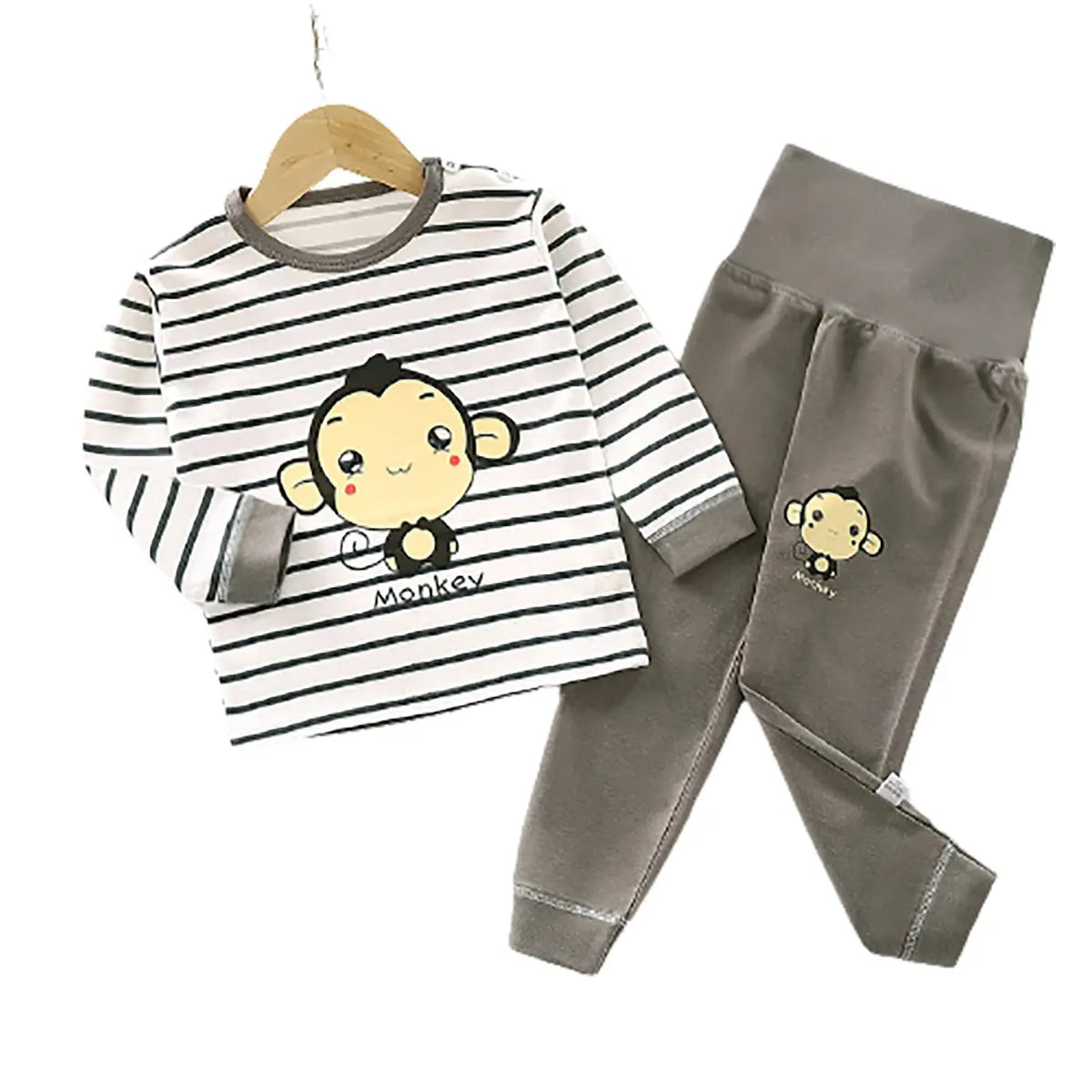
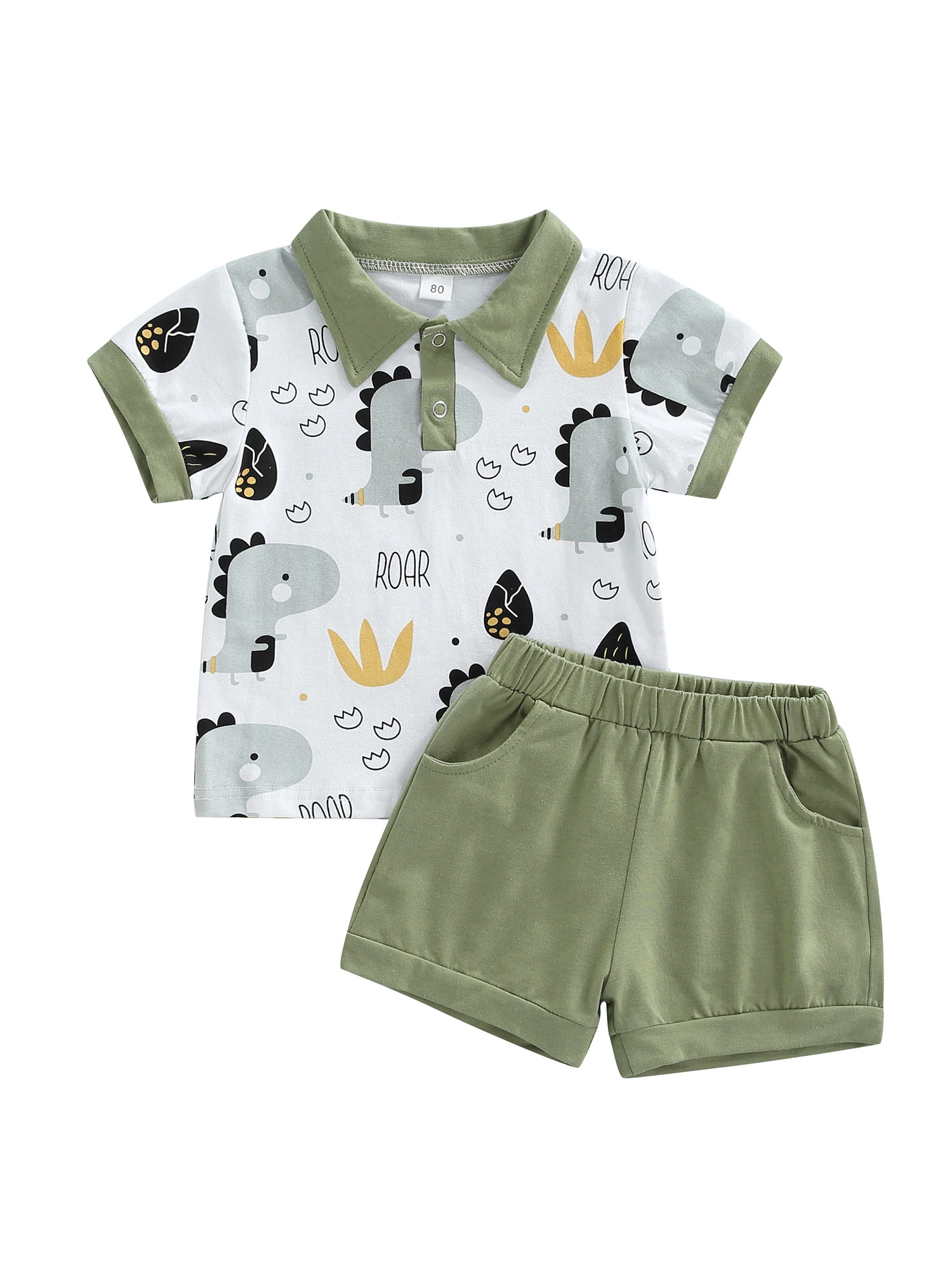
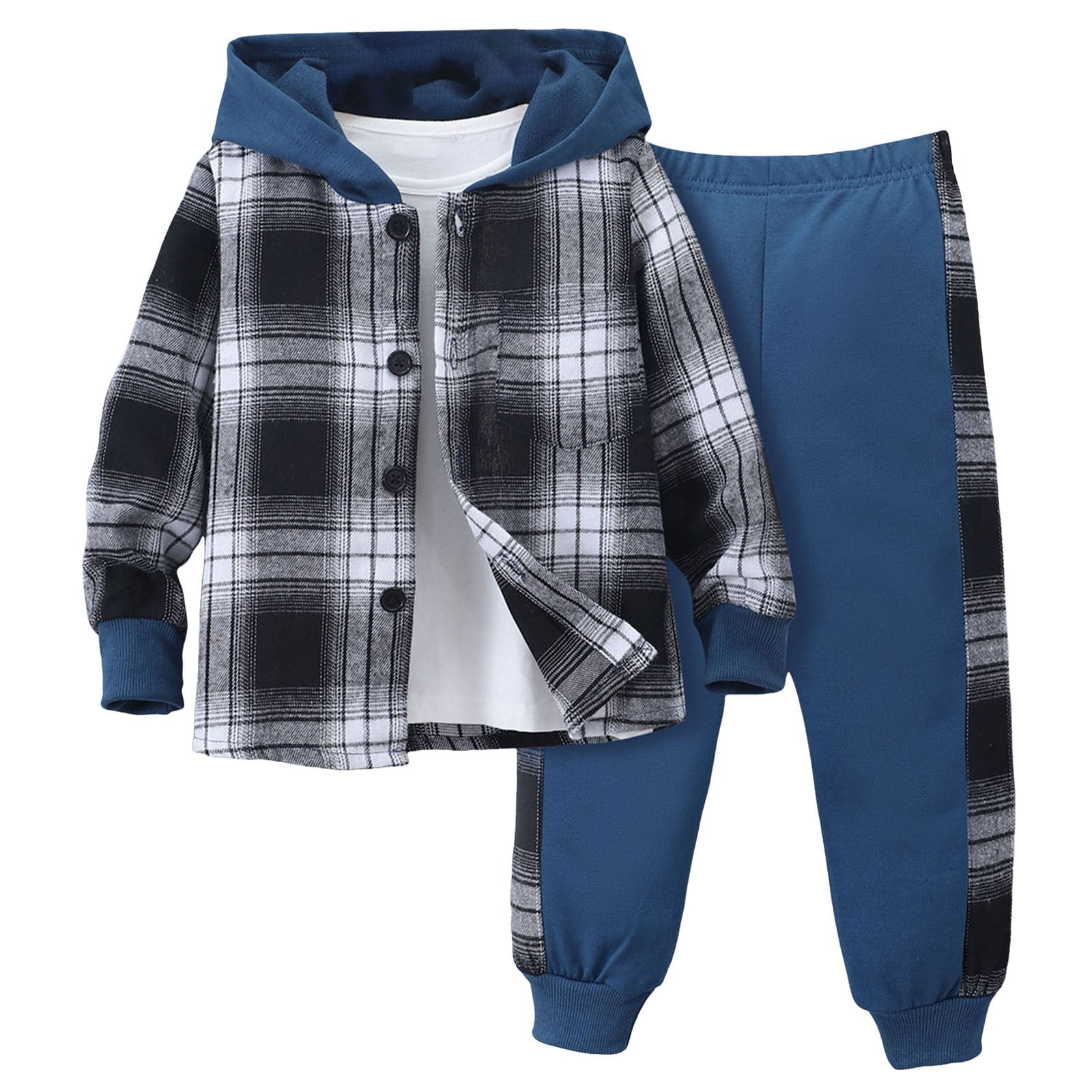
The best baby boy toddler clothes are soft, easy to put on, and roomy enough for play. Choose breathable tops, comfy pants, safe sleepwear, and weather-ready layers. Check the size chart and fit before buying, since sizes can vary by brand.
Shopping for toddler clothes in the United States can feel like a big task. One store may label a shirt 2T, while another uses 24 months or a different size range. Your child may also grow out of a favorite outfit just as the weather changes. A simple plan can help you buy less and get more use from each piece.
Start with comfort and fit, then think about style. Cotton tees, pull-on pants, soft pajamas, and easy jackets can cover most daily needs. A few fun prints or dressy outfits add variety without filling the closet. This guide explains how to pick the right sizes, build outfits for each season, care for the fabric, and shop with safety in mind.
Good toddler clothes make daily care easier. They feel soft, let your child move, and hold up to regular washing. Toddlers crawl, run, climb, spill food, and sit on the floor. Their clothes need to handle all of that without pinching the waist or rubbing the skin.
The right outfit also suits the weather and the activity. A light tee may work well at home on a warm day, while a soft sweatshirt can help on a cool morning. For a family gathering, a collared shirt and neat pants may fit the occasion. Comfort should still come first, even when the outfit looks dressy.
Source: danielle-moss.com
Soft fabric
Look for smooth seams and fabric that feels gentle against the skin. Cotton and cotton blends are common choices for daily wear.
Easy dressing
Stretch waistbands, wide neck openings, and well-made snaps can make changes quicker for both parents and toddlers.
Room to move
Your child should be able to squat, walk, reach, and sit without tight sleeves or a stiff waistband.
Simple care
Machine-washable basics can save time. Check the care label before washing clothes that may shrink or need special treatment.
Choose Clothes for Real Daily Use
Think about where your toddler spends most of the day. Children who play outside may need sturdy pants and easy layers. Children who attend daycare may need spare tops, bottoms, socks, and a full change of clothes. A few practical outfits often serve a child better than a closet full of special occasion pieces.
For home
Use soft tees, shorts, joggers, and simple outfits that are easy to change after meals or messy play.
For daycare
Pack spare clothes and choose items your child can manage with some help. Label garments when the center asks for names.
For outings
Pick clothes that suit the weather, car ride, and planned activity. Bring an extra layer when temperatures may change.
How to Choose the Right Toddler Clothing Size
The best way to choose a size is to compare your toddler’s current measurements with the brand’s size chart. Age labels offer a starting point, not a promise of fit. Two children of the same age can have different heights, builds, and body shapes. Clothing from two brands may also fit quite differently.
Many US stores use labels such as 18 months, 24 months, 2T, 3T, and 4T. The exact fit depends on the maker, garment cut, and intended use. Do not assume that every 2T item will fit the same way. Check the listed measurements and review the return policy before ordering online.
Source: i.pinimg.com
Measure height
Have your child stand straight against a wall if able. Measure from the floor to the top of the head without shoes.
Check the waist
Measure around the natural waist without pulling the tape tight. This helps when choosing pants and shorts.
Check the chest
Wrap the tape around the fullest part of the chest. Keep it level and allow a natural, relaxed stance.
Read the brand chart
Compare your measurements with the chart for that exact brand. If the child falls between sizes, consider the garment style and fit notes.
24 Months vs. 2T
The labels 24 months and 2T do not always mean the same fit. In many clothing lines, 24-month garments suit babies and young toddlers, while 2T garments are cut for toddlers who are moving more. This is a general pattern, not a universal sizing rule. Use the maker’s measurements to decide which one fits your child.
Try 24 months
Consider this label when the size chart matches your child’s measurements and the garment offers enough room for comfort.
Try 2T
Compare this size when your child needs more room in the body or legs, but avoid buying it just because the birthday is near.
How Should Toddler Clothes Fit?
A well-fitting outfit should stay in place without squeezing the body. Sleeves should not cover the hands during play, and pant legs should not drag on the floor. Waistbands should stay up without leaving deep marks. A little growing room is useful, but clothing that is far too large can catch on objects or trip an active child.
Check movement
Ask your toddler to walk, sit, reach, and bend. Watch for pulling at the waist or tight spots at the knees and shoulders.
Check closures
Make sure snaps, buttons, and zippers work well and do not press into the skin.
Check after washing
Some fabrics shrink or change shape. Recheck fit after the first wash, especially for cotton items.
Essential Clothes for a Toddler Boy’s Wardrobe
A useful toddler wardrobe starts with basics that work together. You do not need a new outfit for every day if you can mix a few tops and bottoms. Neutral colors pair well with prints, while two or three favorite colors can make getting dressed easier. Keep enough clean items on hand for spills, outdoor play, and unexpected changes.
The number of items you need depends on laundry habits, daycare rules, weather, and how often your child gets messy. A family that washes clothes each day may need fewer pieces than one that does laundry once a week. Use the list below as a starting point, then adjust it to your routine.
Source: twotwentyone.net
Everyday tops
Start with short-sleeve tees, long-sleeve shirts, and a few sweatshirts. Choose colors that pair with most pants and shorts.
Bottoms
Keep soft joggers, pull-on pants, leggings-style pants, and shorts for warm days. Check that the waist fits without digging in.
Sleepwear
Choose sleepwear that fits according to the garment label and relevant safety guidance. Keep loose blankets and bulky bedding out of an infant’s sleep space.
Socks and shoes
Choose socks that stay on without leaving marks. Shoes should fit the foot, leave room for the toes, and suit the activity.
Outerwear
Add a light jacket, rain layer, or warm coat based on your local climate and the places your family visits.
Dressy outfits
One or two collared shirts, neat pants, or coordinated sets can cover family photos, celebrations, and other special events.
Build Outfits That Mix and Match
Choose a small color group so most items work together. For example, navy pants can pair with white, gray, green, or striped tops. A plain tee can also balance a printed short or patterned sweatshirt. This approach makes it easier to dress your toddler without buying full matching sets for every occasion.
Use plain basics
Solid-color tops and bottoms form the base of the wardrobe and can be worn often.
Add a few prints
Dinosaur, animal, vehicle, and stripe prints can add fun without making every piece hard to match.
Keep a spare outfit ready
Store one full change of clothes in a daycare bag or travel bag, with an extra pair of socks if needed.
Best Fabrics for Comfort and Easy Care
Fabric affects how clothes feel, how they handle sweat, and how much care they need. Cotton is a common choice for everyday shirts and pants because it feels soft and is easy to find. Cotton blends may stretch more or dry faster, depending on the fibers and knit. The best option depends on the garment, the weather, and your child’s skin.
Do not judge fabric by the label alone. Feel the inside seams, check the texture, and read the care instructions. A soft garment can still fit poorly, and a thick fabric may feel too warm in a heated room. Choose clothes that suit the way your toddler will use them.
Source: ashleybrooke.com
Cotton
Often works well for tees, light pants, and everyday outfits. Check the care label because some cotton garments can shrink.
Cotton blends
May offer more stretch, shape retention, or faster drying. The exact properties depend on the fiber mix and fabric construction.
Fleece
Can provide warmth for cool weather. Avoid bulky fleece or other thick layers beneath a car seat harness.
Lightweight woven fabric
Can suit button-down shirts and warm-weather shorts. Check for stiff seams or rough labels that may bother your toddler.
What If Your Toddler Has Sensitive Skin?
If clothing seems to cause itching or redness, look for rough seams, tight elastic, tags, detergent residue, or heavy heat and sweat. Try a soft, simple garment and wash it before use according to its care label. Do not assume that a fabric marked natural or organic will prevent every skin reaction. If a rash persists, spreads, or causes discomfort, seek advice from a qualified health professional.
Check the inside
Look for rough seams, scratchy labels, stiff patches, and decorative pieces that rub the skin.
Wash with care
Use a suitable detergent and rinse well. Follow the garment label and avoid adding products that seem to trigger irritation.
Baby Boy Toddler Clothes for Every Season
Seasonal clothing should match the temperature, indoor heating, and time spent outside. Weather can change quickly in many parts of the United States, so layers are often more useful than one very thick outfit. Check how your toddler feels during the day and change layers when needed. A warm car, a cool morning, and an outdoor playground may call for different clothing.
Avoid dressing a toddler in too many layers just because the day starts cold. Overheating can be a concern, especially during sleep. Check your child’s neck or chest for signs of excess warmth rather than relying only on cold hands or feet. Follow local weather advice when conditions become very hot, cold, or wet.
Source: i.pinimg.com
Spring
Use tees, light pants, a thin sweatshirt, and a rain jacket. Keep an extra layer ready for cooler mornings.
Summer
Choose light tops, shorts, and breathable fabrics. A sun hat can help shield the head and face outdoors, along with shade and suitable sun protection.
Fall
Pair long-sleeve tops with pants and a light or medium jacket. Add layers as temperatures drop.
Winter
Use warm indoor layers, suitable outdoor clothing, and dry socks. Remove bulky coats before securing a toddler in a car seat.
How to Dress a Toddler in Cold Weather
Use several suitable layers rather than one oversized coat for most cold-weather outings. A thin base layer, warm middle layer, and weather-ready outer layer can be easier to adjust. Add a hat and mittens outdoors when conditions call for them. Remove wet clothing promptly and watch for signs that your child is too cold or too warm.
For outdoor play
Choose clothing that covers the skin and allows movement. Make sure pant legs and sleeves do not drag or catch on play equipment.
For car rides
Secure the harness snugly over thin layers. Place blankets over the fastened harness if needed, rather than putting bulky clothing beneath it.
How to Dress a Toddler in Hot Weather
Lightweight clothing can help toddlers stay comfortable on hot days. Pick loose, breathable garments that cover the skin without trapping excess heat. Offer shade, water as appropriate for your child’s age, and breaks in a cool place. Move indoors if your child seems unusually tired, dizzy, flushed, or unwell in the heat.
Choose light layers
Use breathable shirts and shorts, and avoid heavy fabrics when the temperature is high.
Plan outdoor time
Use shade and suitable sun protection. Follow local heat alerts and avoid prolonged activity in dangerous conditions.
Cute Outfit Ideas for Toddler Boys
Cute toddler outfits do not need many pieces or complex styling. A simple color match, a fun print, or a neat pair of shoes can make an outfit look put together. Let your toddler’s comfort guide the choice, especially on days filled with play. Clothing should support movement rather than make your child stand still to keep it neat.
Consider the occasion before buying a special set. A soft matching top and pants may work for family photos, while a plain tee and joggers may be better for a trip to the park. Buying outfits for real plans helps prevent clothes from sitting unworn in a drawer.
Source: i5.walmartimages.com
Everyday play
Pair a graphic tee with pull-on pants and comfortable sneakers. Choose fabrics that are easy to wash after outdoor play.
Warm-weather fun
Try a short-sleeve tee with shorts and a sun hat. Keep the fit loose enough for running and climbing.
Family photos
Use a simple collared shirt with chinos or neat pants. Choose colors that suit the family’s clothes without making the child uncomfortable.
Birthday parties
A coordinated shirt and shorts or a soft two-piece set can look festive while allowing active play.
Cool weekends
Layer a long-sleeve tee under a sweatshirt and pair it with joggers. Add a jacket when the outdoor temperature calls for it.
Are Matching Outfit Sets Worth Buying?
Matching sets can save time because the top and bottom already work together. They are useful for gifts, photos, travel, and families who like a coordinated look. Their value depends on whether each piece also works with other items in the closet. A set is less useful when one part fits well but the other does not.
Buy versatile sets
Choose pieces that can be worn separately with plain tees, jeans, joggers, or shorts.
Check both pieces
Review the measurements and fabric of the top and bottom. Do not assume the pieces will fit equally well just because they share a size label.
Consider the occasion
Pick casual sets for regular wear and reserve delicate or less practical outfits for events where they make sense.
Clothing Safety Every Parent Should Check
Safe clothing should fit well and have no loose parts that could harm a child. Check new and hand-me-down clothes before use, and inspect them again after washing. Remove damaged items from rotation until they can be repaired safely or replaced. A cute design is not worth keeping if a button is loose or a seam is coming apart.
Sleepwear and car travel need extra care. In the United States, children’s sleepwear is subject to federal flammability rules, with requirements that vary by garment type and size. Look for sleepwear intended for the child’s age and follow the label. For car rides, follow the car seat maker’s instructions and use a snug harness without bulky clothing underneath.
Source: i5.walmartimages.com
Inspect small parts
Check buttons, snaps, beads, decorative pieces, and zipper parts. Keep clothing with loose or damaged pieces away from young children.
Avoid long cords
Choose toddler garments without long neck or hood cords that can catch on playground equipment, doors, or other objects.
Choose safe sleepwear
Use sleepwear that fits as intended and follows its care label. Loose or oversized sleepwear may pose additional risks, depending on the child’s age and sleep setting.
Check car seat fit
Do not place bulky coats or thick padded clothing beneath the harness. Fasten the harness snugly and add a blanket over it if needed.
Use suitable shoes
Check that shoes stay on, allow toe movement, and do not create a tripping risk. Replace shoes when the fit becomes too tight.
What About Hoodies and Drawstrings?
Hoodies can be useful in cool weather, but cords and loose parts deserve attention. For young children, choose simple designs with no long drawstrings around the neck or hood. Keep in mind that a hood can also affect comfort in a car seat. Remove bulky outerwear before fastening the harness and follow the seat’s instructions.
Choose simple designs
Look for secure seams, safe closures, and no loose cords that could catch on nearby objects.
Check before every use
If a cord, button, snap, or seam becomes loose, stop using the item until the problem is safely fixed.
How to Shop for Toddler Clothes on a Budget
You can build a useful wardrobe without buying every new style. Start by checking what still fits, what is worn out, and what your child needs for the next season. Make a short list before shopping so cute extras do not crowd out basics. Focus on pieces that work with clothes you already own.
Compare the full value of each item rather than the price alone. A low-cost shirt that loses its shape after a few washes may offer less use than a well-made basic that lasts longer. On the other hand, a premium label does not guarantee a better fit or longer life. Read the care label, check the seams, and consider how often your child will wear the item.
Source: i5.walmartimages.com
Shop your closet first
Sort current clothes into items that fit, items to store, and items to donate or pass on when appropriate.
Set a seasonal list
Write down the basics your toddler needs before browsing sales. Include everyday clothes, sleepwear, outerwear, and daycare spares.
Buy mix-and-match colors
Choose tops and bottoms that pair with several items. This gives each garment more uses.
Use hand-me-downs wisely
Check size, wear, fit, and safety before using secondhand clothes. Do not use items with damaged closures or unsafe loose parts.
Check return rules
For online purchases, review return windows and shipping costs. Keep tags on until you confirm the fit when the seller’s rules allow it.
How Many Outfits Does a Toddler Need?
There is no single number that suits every family. The right amount depends on how often you wash clothes, whether your child attends daycare, and how often spills or outdoor play require a change. A small wardrobe can work well when laundry happens often. Families who wash less often may need more tops, bottoms, socks, and sleepwear.
Track actual use
Notice which items your toddler wears most over a week. Use that pattern to guide future purchases.
Keep spares where needed
Store an extra outfit in the daycare bag, car bag, or travel bag if your routine calls for it.
Review each season
Before buying a new coat or set of shorts, check what still fits and what can be used again.
How to Wash and Care for Toddler Clothes
Regular care can help toddler clothes stay soft, clean, and ready for the next day. Food, mud, paint, and outdoor dirt are part of normal toddler life. Treat stains as soon as you can, and follow the care label to avoid damaging the fabric. Wash clothes with similar colors and use a suitable cycle for the garment.
Do not assume every item can handle hot water, strong stain removers, or high dryer heat. Some fabrics shrink, fade, or lose their shape when washed too harshly. Check special instructions for printed designs, elastic waistbands, and delicate decorations. Store clean clothes in a dry place so they remain ready to wear.
Source: fancydresswale.com
Read the label
Follow the stated water temperature, wash cycle, and drying instructions. Use a gentler cycle when the garment requires it.
Treat stains early
Remove excess food or dirt, then use a suitable stain treatment according to its instructions and the garment label.
Separate colors
Wash new dark or brightly colored items separately when the label or color bleeding suggests it is needed.
Inspect after washing
Check seams, buttons, snaps, and elastic. Set aside items that need repair before your toddler wears them again.
How to Make Clothes Last Longer
Use a wash routine that suits the fabric instead of treating every item the same way. Turn printed shirts inside out when the care label permits, and avoid unnecessary high heat. Mend small, safe issues before they grow into larger problems. If an item is too worn, too tight, or unsafe to repair, retire it rather than saving it for one more use.
Avoid excess heat
Use the dryer setting recommended on the label. Air-dry garments that may shrink or lose shape.
Store by size
Keep next-size clothes in a labeled box or drawer. This makes it easier to find useful items as your toddler grows.
Pass on good items
Clean, well-fitting clothes in good condition may be donated or shared when your family no longer needs them.
Frequently Asked Questions
Q
What Size Clothes Should a Two-Year-Old Boy Wear?
Many two-year-old boys wear 2T, but some may fit 24 months or 3T. The right size depends on height, weight, body shape, and the brand’s cut. Compare your child’s measurements with the current size chart and check how the garment fits at the waist, shoulders, and legs.
Q
What Are the Best Clothes for Toddler Boys in Summer?
Lightweight tees, shorts, breathable pants, and a sun hat are useful choices for summer. Pick garments that allow movement and do not trap too much heat. Use shade and suitable sun protection outdoors, and change wet clothes when needed.
Q
Are Cotton Clothes Good for Toddlers?
Cotton is a common option because it is soft and available in many everyday styles. It can work well for shirts, pants, and sleepwear, but some cotton items may shrink or take longer to dry. Check the fabric blend and care label before buying.
Q
How Can I Tell If Toddler Clothes Are Too Small?
Clothes may be too small if the waistband leaves deep marks, sleeves pull at the shoulders, seams strain, or your child cannot sit and bend with ease. Check whether the garment rides up or restricts movement. Compare the fit with the next size and replace items that no longer fit comfortably.
Q
What Should a Toddler Boy Wear to Daycare?
Choose comfortable tops, pull-on pants or shorts, suitable shoes, and layers that match the weather. Pack at least one spare outfit if the daycare requests or allows it. Avoid clothing with long cords or loose decorative parts, and label items when required by the center.
Q
Can Toddlers Wear Oversized Clothes?
A little growing room can be useful, but clothes should not be so large that they drag, cover the hands, or interfere with play. Very loose garments may catch on nearby objects. Choose the size that allows normal movement while keeping sleeves, legs, and closures in a safe position.
Q
How Often Should I Buy New Toddler Clothes?
Buy new clothes when your toddler outgrows current items, when the season changes, or when worn pieces need replacing. Check the wardrobe every few months rather than buying on a fixed schedule. This helps you spot gaps without stocking up on items your child may soon outgrow.
✦ Wrapping Up
Conclusion
Choosing baby boy toddler clothes is easier when you start with fit, comfort, and daily needs. Soft tops, easy pants, suitable sleepwear, and weather-ready layers can cover most routines. Add a few fun prints and dressy pieces to give the wardrobe more variety without making it hard to manage.
Before you shop, check what your child already owns and measure the items that need replacing. Compare size charts, read care labels, and inspect clothes for loose parts or damage. A practical wardrobe does not need to be large. It needs to fit your toddler, suit your family’s routine, and make getting dressed easier.
💡 Key Takeaway
Make a short shopping list based on your toddler’s current size, local weather, and weekly routine. Buy versatile basics first, confirm the fit, and add special outfits only when you need them.