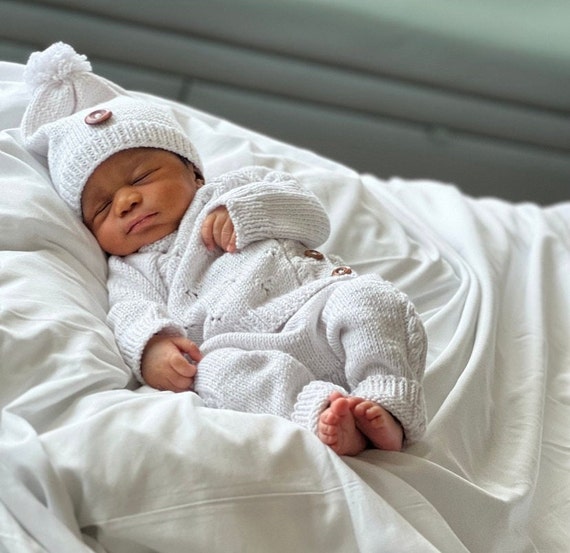
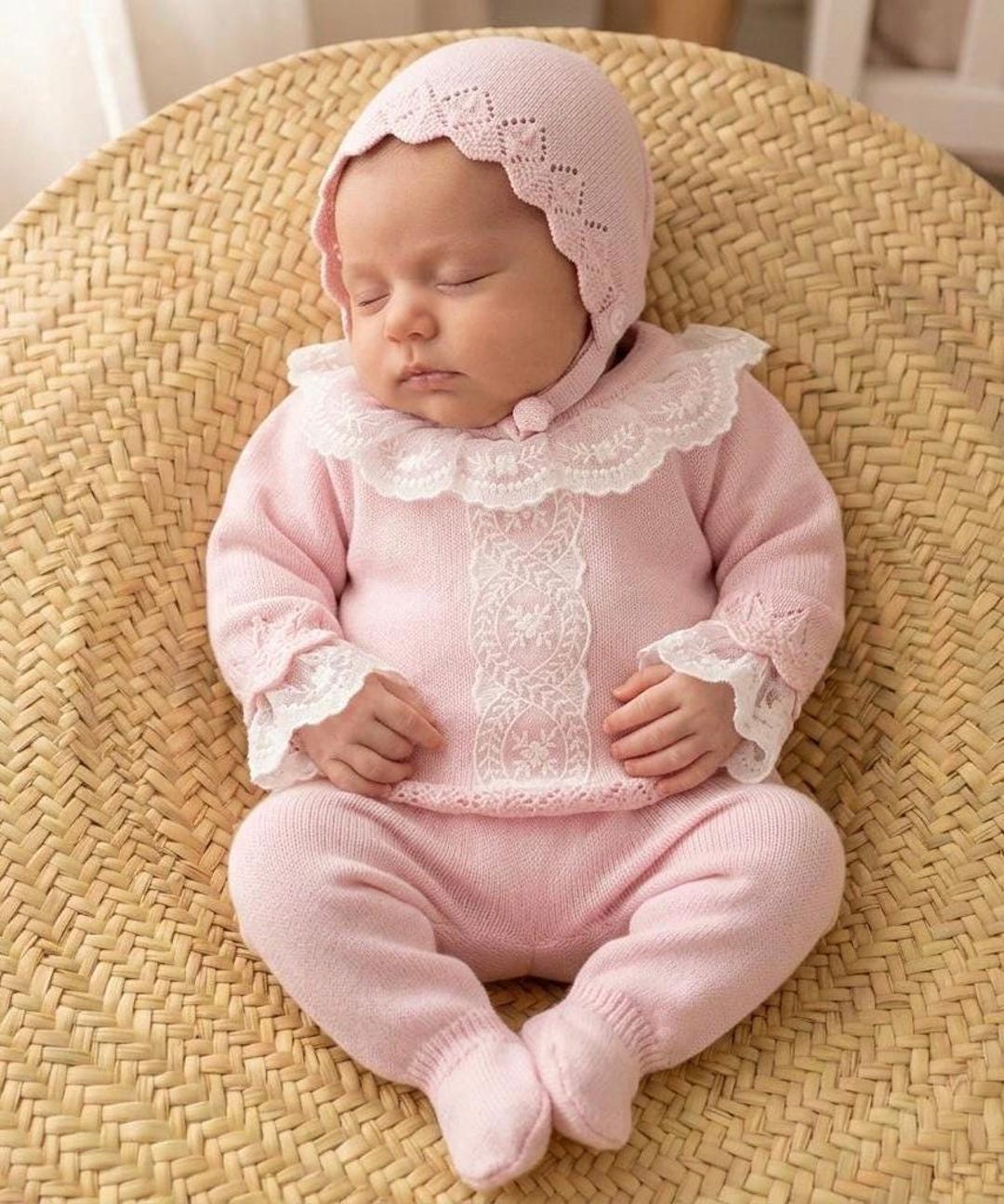
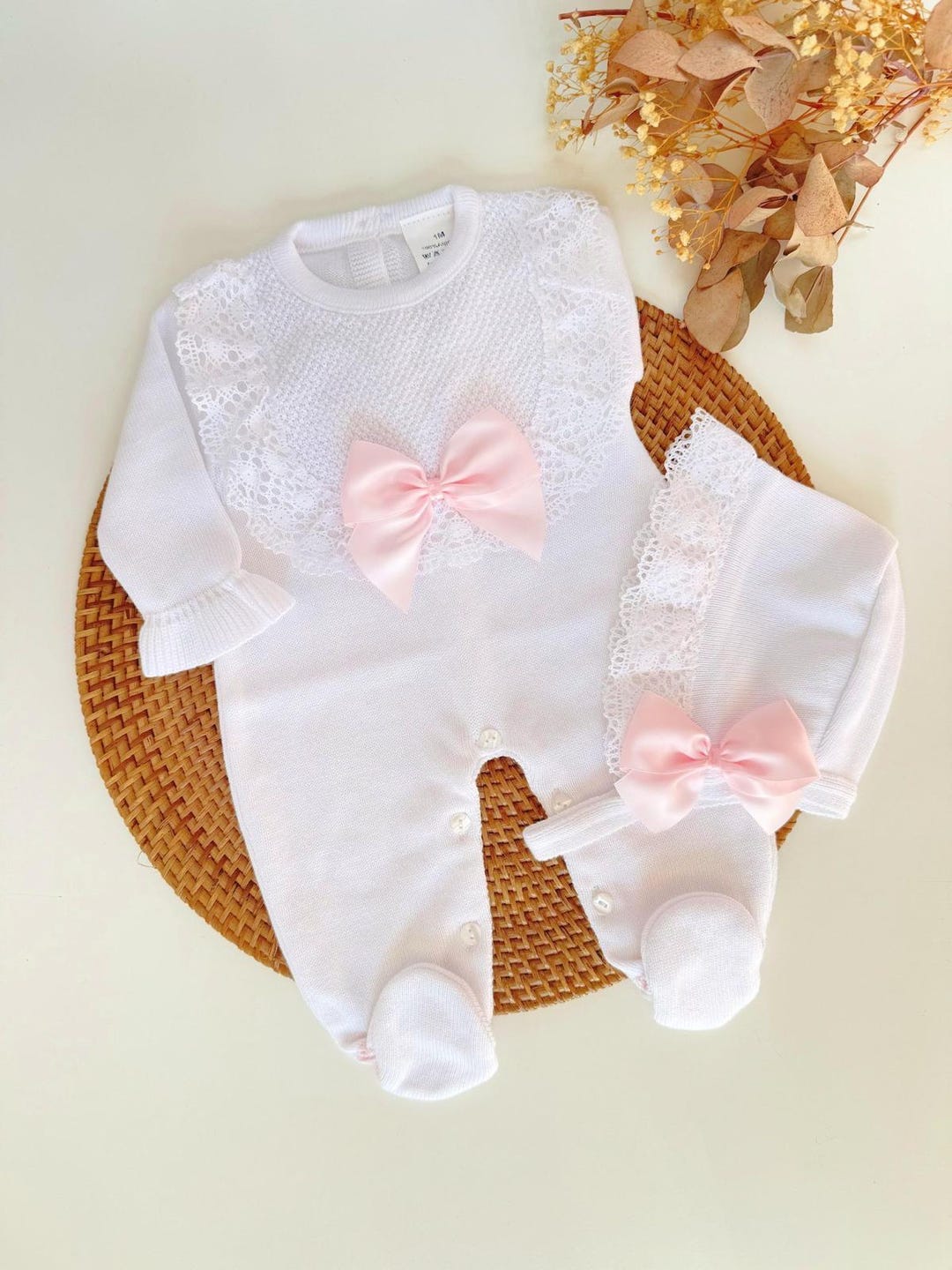
The best first day newborn clothes are soft, easy to change, and suited to the weather. Pack a simple cotton sleeper or bodysuit, a light blanket for carrying your baby, and a separate outfit for the ride home. Choose a safe fit, skip bulky layers in the car seat, and bring one spare set in case of spit-up or diaper leaks.
In the United States, many parents pack their baby’s first outfit in a hospital bag before the due date. The outfit may be worn for newborn photos, the trip home from the hospital, or both. A small cotton sleeper is often enough for a mild day, while cooler weather may call for a few thin layers. Your baby’s comfort and safety matter far more than a fancy look.
Choosing first day newborn clothes can feel like a big task when you are getting ready to meet your baby. Stores offer tiny gowns, zip-up sleepers, knit sets, hats, and matching accessories. Yet you do not need a large wardrobe for the first day. A few soft, clean items can make dressing, diaper changes, and the ride home much easier. This guide explains what to pack, how to pick the right size, and how to keep your newborn warm without overheating.
A newborn usually needs a soft bodysuit or sleeper, a diaper, and weather-appropriate layers. For a healthy full-term baby going home from a US hospital, a simple footed sleeper is often a practical choice. It covers the body, keeps the legs warm, and can make diaper changes easier when it has a front zipper or easy-to-open snaps.
The right outfit depends on where your baby will spend the first day. A hospital room may feel cool because of air conditioning, while a sunny parking lot can feel warm. Your baby may also need skin-to-skin time, a checkup, or a diaper change before leaving. Keep the outfit simple so you can adjust it without a fuss.
You do not need to dress your baby in every item packed in the hospital bag. Start with a diaper and the clothing recommended by your care team. Add a light layer if the room or outdoor air feels cool. A hat may be useful in some situations, but it should not replace checking your baby’s temperature and comfort.
Source: ar.inspiredpencil.com
One soft sleeper
Pick a clean, breathable sleeper that fits without tight bands or loose fabric.
One spare outfit
Bring another bodysuit or sleeper in case the first one gets wet or dirty.
A light blanket
Use it for warmth while carrying your baby outside, then remove it or secure it safely when needed.
A properly fitted diaper
Pack newborn or preemie diapers if needed, although many hospitals provide diapers during your stay.
Is a Bodysuit or a Sleeper Better?
Both can work well. A bodysuit covers the torso and usually fastens between the legs, but it leaves the arms and legs uncovered. A footed sleeper covers more of the body and may be more useful in a cool hospital room or during a chilly trip home. Choose the item that suits the weather and fits your baby.
A sleeper with a front zipper can be easier to handle when you are tired. Some designs have a two-way zipper that opens from the bottom for diaper changes. Snaps can also work well, although many small fasteners may take longer to close. Check that every closure stays secure and does not press against your baby’s skin.
For mild weather
A cotton bodysuit with suitable pants or a light sleeper may be enough.
For cool weather
Use a long-sleeve sleeper and add a light outer layer when needed.
Does Your Baby Need a Special Going-Home Outfit?
No special outfit is required. A plain sleeper can be just as useful as a matching set made for newborn photos. Some parents like a personalized gown or a tiny outfit with a name on it. Others prefer clothes that can be washed and worn again. Both choices are fine as long as the clothes fit and are safe.
If you choose an outfit for photos, make sure it is easy to remove. Your baby may need a feed, a diaper change, or a health check before the family leaves. Comfort and access matter more than decorative details.
How to Choose the Right First Outfit
Choose newborn clothing by checking the fabric, fit, closures, and care label. A soft garment that opens wide can make dressing easier, especially when your baby is still getting used to being handled. Avoid outfits that force you to pull a tight neck opening over the baby’s head when a front-opening option is available.
Newborn skin can be delicate, so soft fabric and smooth seams are sensible choices. Cotton is a common option because it feels soft and breathes well. Other fabrics may also be suitable when they are gentle, clean, and appropriate for the weather. No fabric can guarantee that a baby will never develop irritation, so watch for redness or discomfort.
Before packing an outfit, inspect it for loose buttons, rough labels, long cords, or decorative pieces that could detach. Remove tags that rub against the skin, but keep care instructions if you still need them. Wash new clothing with a detergent suitable for your household and follow the garment’s care label.
Source: etsy.com
Check the neckline
Choose a neckline that opens easily and does not press tightly on your baby’s neck.
Check the seams
Look for rough stitching, hard decorations, or seams that may rub the skin.
Check the closures
Make sure snaps and zippers work well and do not have sharp or exposed parts.
Check the wash label
Use the care instructions to wash and dry the outfit before the first wear.
Should You Buy Organic Cotton Newborn Clothes?
Organic cotton is one option, but it is not a must for a newborn’s first outfit. A well-made, soft garment from regular cotton may also work well. Focus on the feel of the fabric, the fit, the quality of the seams, and the way the garment is cleaned.
If your baby has a known skin condition or develops a rash, ask your pediatric care team for advice on suitable fabrics and laundry products. Do not assume that a label such as organic, natural, or hypoallergenic means an item cannot cause irritation.
Are Newborn Gowns a Good Choice?
A newborn gown has an open lower edge that can make diaper checks easier. This style may be handy during a hospital stay, when diaper changes happen often. Choose a gown with a good fit around the shoulders and neck so it does not slide over your baby’s face.
A gown may be less useful for the ride home if it leaves the legs exposed or bunches under a car seat harness. For travel, choose clothing that allows the harness to sit snugly against your baby. You can use a blanket over the secured harness if the weather calls for extra warmth.
What Size Newborn Clothes Should You Pack?
Pack one newborn-size outfit and, if you have room, one outfit in a larger size such as 0 to 3 months. Clothing sizes are not fully standardized, so the same size may fit differently across brands. A baby’s birth weight, length, and body shape also affect how a garment fits.
Newborn-size clothing often suits smaller babies, but some babies are born large enough to need the next size right away. Other babies, including some premature infants, may need preemie sizes. Your care team can help you understand your baby’s measurements, but the best final check is whether the garment fits without squeezing the chest, belly, arms, or legs.
Do not buy a large stack of newborn clothes before your baby arrives. One or two well-chosen outfits are enough for the trip home. You can add more after you see which size fits. If an outfit is too long or loose, do not fold fabric in a way that could bunch around the face or interfere with a car seat harness.
Source: unisexbabyclothes701.blogspot.com
Newborn size
A useful starting point for many full-term babies, but the fit will vary by brand and baby.
0 to 3 months
A helpful backup when you are unsure whether a newborn-size outfit will fit.
Preemie size
May be needed for a smaller or premature baby. Ask the hospital team which size is appropriate.
How Should First-Day Clothes Fit?
The outfit should allow your baby to move their arms and legs without tight bands. The neck opening should not be loose enough to ride over the mouth or nose. Sleeves and legs should not squeeze the skin, and closures should stay in place without pulling.
Check the fit again after fastening the outfit. A garment that seemed fine while open may feel tight once the snaps are closed. If the fabric pulls across the chest or the diaper area, try the larger size. Keep in mind that loose clothing can also be a problem when it interferes with a car seat harness.
What If You Do Not Know Your Baby’s Size Yet?
That is normal before birth. Keep the main outfit simple and pack one backup size if space allows. Leave the tags on optional spare clothes until you know they fit, provided you remove any tags or packaging that could touch the baby during wear.
If your baby is born early or has a medical need that affects clothing, follow the neonatal or maternity team’s instructions rather than relying on a standard size chart. Hospital staff can help you select clothing that works with any monitoring or treatment your baby needs.
How to Dress a Newborn for the Weather
The weather outside should guide the extra layers you pack, but the indoor temperature matters too. Many newborns spend most of the first day in a hospital or birth center, where the room may have heating or air conditioning. A soft base layer gives you a simple starting point, and you can adjust clothing as the setting changes.
Newborns cannot regulate body temperature as well as older children and adults. Both getting too cold and getting too warm can be a concern. Feel your baby’s chest or upper back to judge warmth rather than using cool hands or feet alone. If the baby feels hot, sweaty, or flushed, remove a layer and seek medical advice if you are worried.
There is no single outfit that suits every October afternoon or January morning across the United States. A trip home in Florida may call for fewer layers than a trip through a snowy parking lot in Minnesota. Pack clothing for the conditions you expect, then adjust it to the actual temperature on the day.
Source: etsy.com
Warm weather
Use a light bodysuit or breathable sleeper. Avoid excess layers and direct sun exposure.
Cool weather
Start with a long-sleeve sleeper and add a light layer for time outdoors.
Cold weather
Keep your baby warm with thin layers and a blanket placed over the secured car seat harness.
Changing temperatures
Bring one extra layer that you can add or remove without changing the whole outfit.
Does a Newborn Need a Hat?
A hat may be useful for a short period in a cool setting when the care team recommends it. Hospitals may use hats as part of their routine after birth, depending on the baby’s condition and local practice. Ask your nurse or midwife when the hat should come off.
Do not leave a hat on a baby who is getting too warm. Indoors, a healthy baby may not need one once their temperature is stable, unless the care team advises otherwise. A hat is not a substitute for a safe sleep space or appropriate clothing.
What Should a Newborn Wear in Winter?
For a winter trip home, choose a warm base outfit and plan how to keep your baby covered outdoors. A thin fleece layer may be useful if it fits well and does not interfere with the harness. Bring a blanket that can sit over the fastened harness while the car is moving.
Avoid placing a thick coat, puffy snowsuit, or bulky blanket between your baby and the car seat straps. Thick material can compress in a crash and leave the harness too loose. Warmth matters, but the restraint must fit correctly.
Newborn Car Seat Clothing Safety for the Ride Home
Your baby’s first ride home needs a correctly installed, rear-facing car seat and clothing that lets the harness fit snugly. Before leaving the hospital, ask staff to help you check the harness and the baby’s position if you are unsure. Follow the car seat maker’s instructions and the seat’s height and weight limits.
Bulky clothing can prevent a harness from sitting close to the baby’s body. A coat or thick snowsuit may seem warm, but the padding can compress during a crash and create extra space under the straps. A thin sleeper is usually easier to fit beneath the harness, with warmth added over the top after the straps are secured.
Do not use aftermarket inserts, padding, or clothing accessories that the car seat manufacturer has not approved for your exact seat. A product sold as a newborn cushion or head support may not be safe with every model. Use only the parts and setup allowed by the seat’s manual.
Source: www.popsugar.com
Secure the harness first
Place your baby in the seat wearing clothing that does not add bulk beneath the straps.
Check for a snug fit
Follow the car seat manual for strap position and tightness. The harness should not be loose or twisted.
Add warmth on top
Place a blanket over your baby after buckling up, keeping it away from the face and out of the harness path.
Avoid loose accessories
Keep loose hats, scarves, strings, and decorative pieces away from the baby’s face and the harness.
Can a Newborn Wear a Coat in a Car Seat?
A thick coat or puffy snowsuit should not go beneath the car seat harness unless the seat manufacturer specifically approves that garment for use. In most cases, the safer plan is to dress the baby in thin layers, buckle the harness snugly, and place a blanket over the harness for warmth.
If you are unsure whether a jacket is too bulky, buckle your baby in the seat without the jacket and check the fit according to the manual. Then remove your baby, add the jacket, and buckle them again without changing the strap length. If the harness now feels loose or needs to be tightened, the jacket is too bulky for use under the harness.
Should You Put Shoes or Mittens on a Newborn?
Shoes are not needed for a newborn’s first trip home. Footed pajamas keep the feet covered without adding another item to pack. Mittens may help in some cases, but they are not essential for every baby and must fit without loose parts.
Do not use accessories that can slip over the baby’s face or create a strangulation risk. If your baby scratches their face, ask the care team about safe options rather than relying on loose or oversized mittens.
What to Pack in Your Newborn’s First-Day Clothing Bag
A small clothing bag helps you find what you need without digging through the whole hospital bag. Pack the main outfit in one pouch and the spare set in another. Keep the baby’s going-home clothes separate from items you may use during the hospital stay.
You can prepare the outfit a few weeks before your due date and keep it in a clean drawer or sealed bag. Check the weather forecast close to the birth, but do not depend on it alone. A light extra layer is useful when the forecast changes or the hospital feels cooler than expected.
Check with your hospital or birth center before packing items that it may provide. Some facilities supply diapers, wipes, hats, and basic clothing during the stay. Others have different rules, so a quick check can help you avoid bringing more than you need.
Source: thadressing.com
Main outfit
One clean sleeper or bodysuit that fits your baby’s expected size.
Backup outfit
A second sleeper or bodysuit in the same size or one size up.
Warm layer
A light cardigan or another thin layer that can be removed with ease.
Blanket
A clean blanket for carrying your baby outdoors or adding warmth over the car seat harness.
Diapers and wipes
Bring a small supply if your hospital does not provide them or if you prefer a specific type.
Plastic or wet bag
Use a separate bag for soiled clothes so they do not touch clean items.
How Many Outfits Does a Newborn Need on the First Day?
Two outfits are a sensible starting point for the trip home and a possible change. You may need more if your baby has frequent spit-up or diaper leaks, but a large stack is rarely needed for the first day. Keep the bag small enough to manage while carrying other baby items.
If you are staying in the hospital for several days, pack more clothing for the full stay or ask whether laundry or hospital garments are available. The number of outfits depends on your stay, the baby’s needs, and the facility’s rules.
Should You Wash Newborn Clothes Before Use?
Washing new baby clothes before use is a sensible way to remove dust and residue from storage and handling. Follow the care label and use the right amount of detergent. Avoid adding fabric softener or strong fragrance if it irritates your baby’s skin or if your care team has advised against it.
Make sure the clothes are fully dry before packing them. Store them in a clean place away from dampness, smoke, and strong scents. If a garment still has a rough tag or loose thread after washing, fix the issue or choose another outfit.
Common First-Day Clothing Mistakes to Avoid
The most common clothing problems come from packing too much, choosing the wrong size, or dressing the baby for photos instead of the conditions. You can avoid most of these issues by trying the outfit before packing it and keeping one simple backup. Comfort and ease of use are more helpful than a complex matching set.
Do not assume that a baby needs many layers because their hands or feet feel cool. Newborn hands and feet can feel cooler than the chest or back. Check the baby’s trunk, watch for sweating or flushed skin, and follow medical advice if the baby seems unwell.
Keep sleepwear and travel clothing separate in your mind. An outfit that works for the ride home may not be the right choice for sleep. For sleep, place the baby on their back on a firm, flat surface made for infant sleep, with no loose blankets, pillows, or soft items around them.
Source: knitroot.com
Packing only tiny newborn sizes
Include a larger backup size because clothing brands and newborn body sizes vary.
Choosing complex fasteners
Avoid an outfit that takes too long to open during diaper changes.
Adding too many layers
Use the room temperature and weather to guide clothing choices, and check for signs of overheating.
Using bulky car seat clothing
Keep thick padding out from beneath the harness and follow the car seat manual.
Leaving loose decorations in place
Avoid small detachable parts, long strings, and items that could cover the face.
Using the going-home outfit for sleep without checking
Change into suitable sleepwear and follow current safe sleep guidance.
How Can You Tell If Your Newborn Is Too Warm?
Check the chest or upper back for warmth. If your baby feels hot, has damp hair, sweats, or looks flushed, remove an extra layer and move to a comfortable setting. Do not judge warmth by the hands and feet alone.
If the baby has an abnormal temperature, trouble breathing, unusual weakness, poor feeding, or another worrying sign, contact a medical professional promptly. For a baby younger than three months, a rectal temperature of 100.4 degrees Fahrenheit (38 degrees Celsius) or higher needs immediate medical assessment. Follow the discharge instructions given by your baby’s care team.
What If Your Baby Needs Special Care?
A premature baby or a newborn receiving treatment may need clothing that works around monitoring leads, tubes, or other equipment. In this case, do not dress the baby in a standard going-home outfit until the care team says it is appropriate. Staff can show you how to handle clothing without disturbing the baby’s care.
Some newborns need extra help with temperature control or feeding. The hospital’s instructions should guide your choices, even if they differ from a general packing list. Ask questions before discharge if you are unsure about clothing, skin care, or the trip home.
Planning the First Outfit for Photos and Family Visits
A first-day outfit can be simple and still look lovely in photos. Soft neutral colors, small prints, and plain cotton sets are easy to pair with a blanket or wrap for a picture. If you want a personalized outfit, choose one that stays comfortable and does not have loose pieces near the baby’s face.
Family members may want to hold the baby or take photos soon after birth. Keep the baby dressed for the room and their care needs rather than changing outfits for every picture. Newborns may need frequent feeds, rest, skin-to-skin contact, and diaper changes, so a simple outfit makes the day easier.
If you plan to take photos at the hospital, ask staff when it is suitable. Follow the hospital’s rules and avoid placing the baby on an elevated surface or using props that could cause a fall or cover the face. A photo is not worth risking the baby’s comfort or safety.
Source: etsy.com
Pick soft colors
Choose colors that you like and that photograph well in the light available.
Keep accessories simple
Avoid loose headbands, long ribbons, dangling decorations, and small parts.
Use a clean blanket
A simple blanket can add color to a supervised photo, but keep it away from the baby’s face.
Do not rush a clothing change
Wait until your baby is settled and staff say it is a good time.
Can You Bring a Special Outfit From Home?
Yes, you can usually bring a special outfit for the first photo or the trip home. Check the garment before packing it and make sure it opens easily. If it includes a bow, headband, or decorative piece, remove it when it is not needed and keep it away from the baby’s face.
If the outfit is difficult to fasten or does not fit well, use a plain sleeper instead. You can save the special clothing for a short supervised photo later. The first day rarely goes exactly as planned, and having a simple backup can reduce stress.
Frequently Asked Questions
Q
What is the best outfit for a newborn’s first day?
A soft, easy-to-open sleeper is a practical choice for many newborns. It covers the body and can make diaper changes easier. Add or remove a light layer based on the room temperature and weather, and follow any clothing guidance from your baby’s care team.
Q
Should I pack newborn size or 0 to 3 months?
Pack one newborn-size outfit and a backup in 0 to 3 months if you have room. Sizes vary by brand, and some babies outgrow newborn sizes before they wear them much. For a premature or especially small baby, ask the hospital team whether preemie clothing is suitable.
Q
How many outfits should I bring to the hospital?
Two outfits are a useful starting point for a simple hospital stay and the trip home. One is the main outfit, and the other is a backup for spit-up or a diaper leak. Bring more if your stay will be longer or your hospital asks you to provide clothing during the stay.
Q
Do newborns need socks, shoes, mittens, and hats?
Not every baby needs all of these items. Footed sleepers can cover the feet, and shoes are not needed for a newborn. A hat or mittens may be useful in some situations, but use them only when appropriate and make sure they fit safely. Follow your care team’s advice about warmth.
Q
Can my newborn wear a blanket or snowsuit in the car seat?
Do not place a thick blanket, coat, or bulky snowsuit between your baby and the harness unless the car seat maker specifically approves that setup. Buckle your baby in thin layers and place a blanket over the secured harness if extra warmth is needed. Keep the baby’s face clear and follow the car seat manual.
Q
Should I wash my baby’s first outfit before the hospital?
Yes, washing the outfit before use is a sensible step. Follow the care label, use a suitable amount of detergent, and let the clothes dry fully. If your baby has sensitive skin or a rash, ask the care team whether you should avoid certain laundry products or fabrics.
Q
Can my baby sleep in the going-home outfit?
A simple sleeper may be suitable for sleep if it fits well and does not cause overheating. Follow safe sleep guidance by placing your baby on their back on a firm, flat infant sleep surface. Keep loose blankets, pillows, toys, and other soft items out of the sleep space. A wearable blanket made for infant sleep may be used when appropriate and according to its instructions.
✦ Wrapping Up
Conclusion
Choosing first day newborn clothes does not need to be hard. A soft sleeper, a spare outfit, and a light blanket will meet many families’ needs for the trip home. Pick clothes that fit your baby, open with ease, and suit the temperature. A simple outfit can be just as sweet as a detailed matching set.
Before leaving the hospital, check the clothing fit and make sure the car seat harness is secure. Keep thick layers out from under the straps, and add warmth over the harness when needed. Follow your care team’s advice if your baby needs extra support with temperature control or has a medical concern.
💡 Key Takeaway
Pack one clean sleeper, one spare outfit, and a light blanket. Add a larger size if you are unsure about fit, check the local weather before leaving, and confirm that your baby’s clothing allows a snug car seat harness.