Womens t shirt sizing depends on your bust, waist, shoulder width, and preferred fit. Measure your body, compare your numbers with the brand’s US size chart, and check the shirt’s cut before choosing a size.
Shopping for women’s T-shirts in the United States can feel simple until you compare sizes from different brands. One medium may fit well, while another feels tight across the chest or hangs too loose at the waist. The letters S, M, and L are useful starting points, but they do not mean the same thing for every shirt.
The best way to find your size is to use a tape measure and the chart for the exact shirt you want. Your bust measurement often matters most for a fitted tee, while shoulder width, shirt length, and fabric stretch also affect comfort. A relaxed cotton tee and a close-fitting stretch top may need different sizes, even when they come from the same store.
This guide explains US women’s T-shirt sizes, body measurements, fit types, and common sizing problems. You will also learn how to measure a shirt you already own, compare inches with centimeters, and choose a size when you fall between two options.
The right women’s T-shirt size is the one that fits your body and feels comfortable for the way you plan to wear it. A size M may suit one person in one brand and fit quite differently in another. There is no single measurement that defines every US women’s T-shirt size.
Most size charts use letter sizes such as XS, S, M, L, and XL. Some brands also offer numerical sizes, such as 0 through 20, or plus sizes with their own measurement ranges. These systems can overlap, so use the listed measurements rather than assuming that one letter always equals one number.
For many fitted tees, the bust is the first measurement to check. Shoulder width and sleeve shape affect the upper-body fit, while waist width and garment length help determine how the shirt sits. Fabric weight and stretch can also change how a shirt feels.
Source: sandiego.wordcamp.org
For a fitted T-shirt
Check your bust and shoulder measurements first. Look for enough room to move without pulling at the chest or underarms.
For a regular-fit T-shirt
Choose a size that follows your natural shape without clinging tightly. Check the brand’s fit notes and garment measurements.
For a loose T-shirt
Look for a relaxed cut or compare the chest width of a larger size. Going up a size is one option, but the shoulders and sleeves may also become wider.
For an oversized T-shirt
Check the intended oversized measurements. A shirt designed to look loose may provide a better shape than simply buying several sizes larger.
Does a Medium Mean the Same Thing in Every Brand?
No. US clothing sizes are not fully standardized across brands. A medium in a fitted women’s tee may have a smaller chest width than a medium in a relaxed unisex shirt. Even two shirts with the same label may differ in sleeve length, body length, and shoulder shape.
Brand size charts can also use different measurement methods. One may list the body measurements that should fit the shirt, while another may list the shirt’s actual dimensions. Check the chart heading and instructions before comparing numbers.
Compare measurements, not just labels
Use the same measurement type when comparing two size charts. Body measurements and garment measurements are not interchangeable.
Check the product cut
A slim-fit tee, a boxy tee, and a unisex tee can fit differently even when the size label matches.
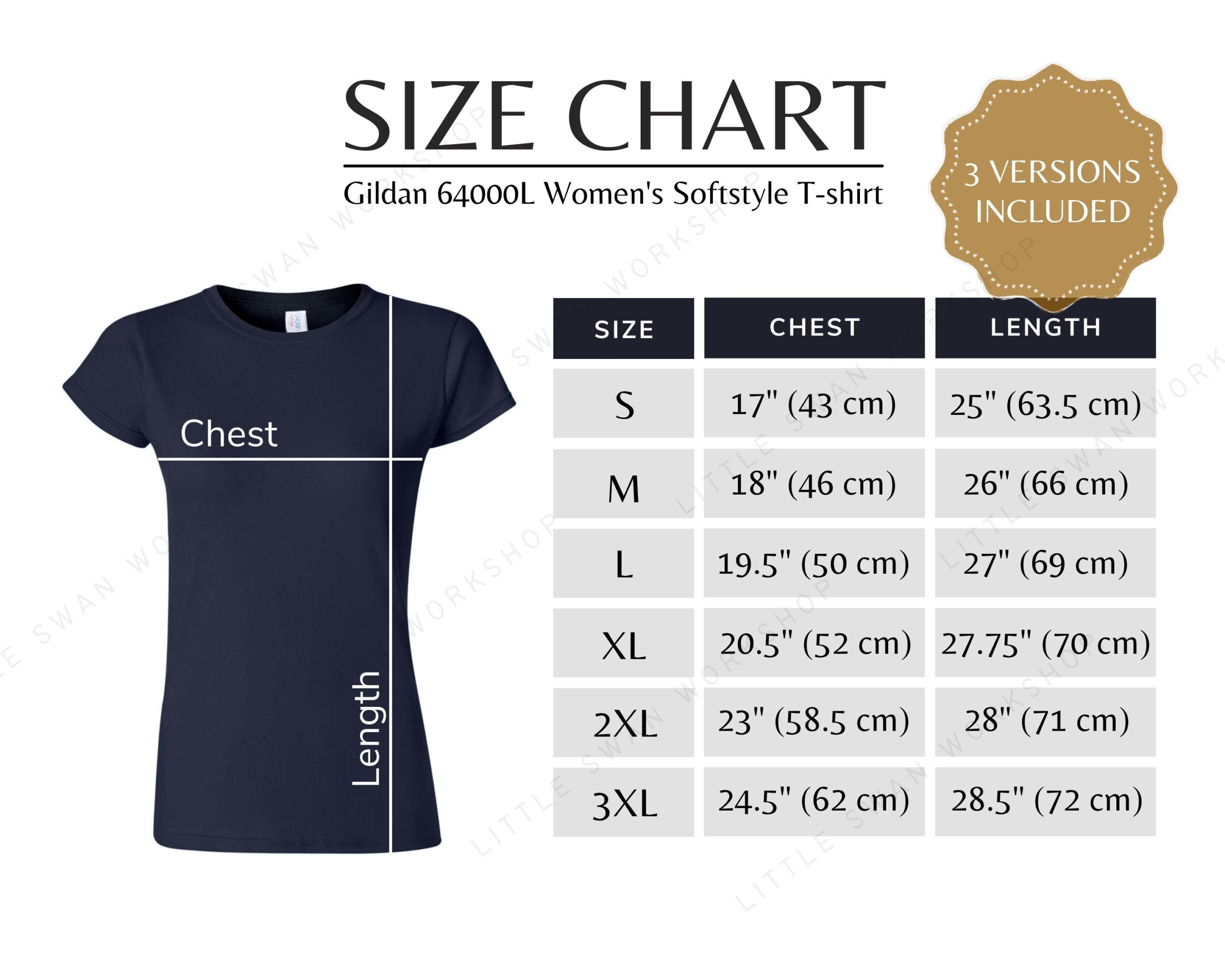
Women’s T-Shirt Size Chart in the US
A general US women’s T-shirt size chart can help you narrow down your options. The ranges below are illustrative estimates, not a universal standard. Brands may use smaller or larger ranges, and some charts split sizes differently.
Use these figures only as a starting point. The brand’s own chart should guide your final choice, especially when ordering a fitted shirt, a garment with little stretch, or a top that cannot be returned.
Source: lionlegion.co.uk
XS
Often used for smaller bust and waist measurements. Check the brand chart for the exact range.
S
A small size that may suit a narrower or smaller frame, depending on the cut.
M
A medium size that falls near the middle of a brand’s size range, though the actual measurements vary.
L
A large size with more room than the same brand’s medium, but the added width and length depend on the design.
XL and above
Larger sizes may include XL, XXL, and plus-size options. Check each size’s measurements rather than assuming that all brands grade sizes in the same way.
How to Read a Size Chart
Start by finding the measurement that matches your body. A chart might show bust, waist, hip, or shoulder measurements, along with a suggested size. Match your bust first for most fitted T-shirts, then review the other measurements to make sure the garment will fit as intended.
If a chart lists a bust range of 36 to 38 inches for a particular size, that range applies only to that brand’s stated sizing method. It does not mean every shirt labeled with that size has a 36- to 38-inch circumference. The shirt itself may need extra room to fit comfortably.
Pay attention to notes such as relaxed fit, slim fit, or oversized. These terms describe the intended shape and can explain why a garment measurement differs from your body measurement.
Look for the unit
US charts often use inches, but some include centimeters. Do not compare a number in inches directly with one in centimeters.
Check the measurement label
Confirm whether the chart refers to the body or the finished garment.
Read the fit notes
Look for guidance on stretch, loose cuts, and whether the item runs small or large.
How to Measure Your Body for a T-Shirt
You can measure yourself at home with a flexible tape measure and a mirror. Wear a light top or measure over thin clothing so extra fabric does not change the result. Keep the tape level and snug without pulling it tight against your skin.
Stand in a relaxed position while you measure. Do not hold your breath or pull your shoulders back to change the numbers. Write each result down in inches, and convert it to centimeters if the brand uses metric measurements.
Source: modaveda.com
What you need
A flexible measuring tape, a mirror, a pen, and a note or phone to record your measurements.
How to check the result
Repeat each measurement once. If the results differ, adjust the tape and measure again.
Measure Your Bust
Wrap the tape around the fullest part of your bust. Keep it level across your back and under your arms. Let your arms rest naturally, and make sure the tape is snug without compressing your chest.
This measurement is often the most useful starting point for a women’s T-shirt. If you have a fuller bust, check the garment’s chest room and cut as well. A shirt can fit your bust but feel tight at the shoulders or upper arms.
Avoid a tilted tape
Use a mirror to check that the tape runs evenly around your body.
Do not pull too hard
A tight tape can give a smaller number than your true body measurement.
Measure Your Waist
Wrap the tape around your natural waist, which is usually near the narrowest part of your torso. Keep your stomach relaxed and the tape level. Do not use a trouser waistband as a substitute for your waist measurement.
Waist measurements matter more for shaped or fitted tees than for boxy styles. If the shirt is designed to hang straight, its chest and shoulder dimensions may have more influence on the fit.
Stand naturally
Do not suck in your stomach or bend forward to change the measurement.
Measure Your Shoulders
To check shoulder width, measure across the back from one shoulder point to the other. A helper can make this easier. Some brands do not provide shoulder measurements, so this step is especially useful when comparing a shirt you own with a new one.
Shoulder fit affects where the sleeve seam sits. If a regular-fit shirt has seams that drop far down your upper arms, it may be too wide for the look you want. Dropped seams are normal on many relaxed and oversized designs.
Check the seam placement
Use the shoulder seam as a guide when comparing fitted shirts. Do not apply the same rule to designs made with dropped shoulders.
Measure Your Preferred Shirt Length
Choose a T-shirt you like and lay it flat on a smooth surface. Measure from the highest shoulder point near the collar down to the bottom hem. Record the number so you can compare it with a new shirt’s listed length.
This step helps if you want a tee that covers your waistband or one that ends near your hips. Torso length and personal style affect the result, so the same garment length may look different on two people.
Compare similar designs
Use a regular-fit tee to compare with another regular-fit tee. A cropped or oversized shirt will have a different intended shape.
How to Measure a T-Shirt You Already Own
Measuring a shirt that fits well can be more useful than guessing from a size label. This method lets you compare the shape and dimensions of a new shirt with one you already enjoy wearing. It works especially well for online orders where you cannot try the garment on first.
Lay your current shirt flat without stretching the fabric. Smooth out wrinkles, but do not pull the edges wider. Take the same measurements on the new shirt’s size chart whenever those dimensions are available.
Source: pearsinstitute.bbk.ac.uk
Chest width
Measure straight across the shirt from one side seam to the other, below the armpits. This is a flat width, not the full chest circumference.
Body length
Measure from the highest shoulder point near the collar to the bottom hem.
Shoulder width
Measure across the back from one shoulder seam to the other, if the shirt has standard shoulder seams.
Sleeve length
Measure from the shoulder seam to the sleeve opening. Use the same starting point for both shirts.
How to Compare Flat Width With Chest Circumference
A flat chest width measures only one side of the shirt. For a simple estimate of the full circumference, double the flat width, provided the garment lies flat and its front and back have similar widths.
For example, a shirt measuring 19 inches across the chest when laid flat has an approximate circumference of 38 inches. This is a hypothetical example, not a recommended size for every person with a 38-inch bust. The shirt needs enough ease, or extra room, to fit comfortably, and the fabric and cut affect how it wears.
Do not compare a flat garment width directly with your body circumference. Convert the garment width to an approximate circumference first, then consider the extra room built into the shirt.
Keep the method consistent
Measure both shirts flat in the same way. Avoid comparing a stretched shirt with one that has been left unstretched.
Account for fabric
A stretchy knit may fit closer than a firm cotton fabric with the same measurements.
How Different T-Shirt Fits Affect Your Size
The fit type can change which size works best for you. A slim-fit shirt follows the body more closely, while a relaxed shirt has more room through the chest and waist. An oversized tee is designed to look loose and may have wider sleeves or dropped shoulder seams.
Choose the cut before deciding whether to size up or down. Buying a larger size can add chest room, but it can also make the sleeves too long or the shoulders too wide. A different cut may solve the problem with less compromise.
Source: lindsay-lohan.de
Slim fit
A close cut with less extra room. Check the bust and shoulder measurements carefully, especially if the fabric has little stretch.
Regular fit
A balanced shape intended to provide comfortable room without looking very loose.
Relaxed fit
A looser shape through the body. Your usual size may provide the intended roomy look.
Oversized fit
A deliberately loose design. Use the garment measurements rather than automatically buying a much larger size.
Cropped fit
A shorter body length. Check the listed length instead of sizing up to solve a length issue.
Unisex fit
Often based on a straighter body shape and different shoulder proportions. Use the unisex chart rather than a women’s chart.
Should You Size Up or Size Down?
Size up when your measurements fall above the chart’s range, the shirt pulls across your bust, or you want more room and the larger size still has a suitable length and shoulder fit. A size increase is also worth considering for a non-stretch fabric when the current size feels restrictive.
Size down only when the garment is too loose in the areas that matter and the smaller size still fits your bust, shoulders, and arms. A shirt that looks wide at the waist may simply have a boxy cut. A smaller size could make the chest or sleeves uncomfortable without fixing the shape.
If one measurement points to a larger size and another points to a smaller size, review the garment cut. A relaxed design may work better for a fuller bust, while a shaped design may suit someone who wants a closer waist fit. Check the return terms if you are unsure.
Bust feels tight
Compare the chest measurements of the next size up or try a cut with more room.
Shoulders feel too wide
Check a different cut before sizing down, especially if the smaller size would pull across the chest.
The shirt is too short
Look for a tall, longline, or longer-body style instead of assuming a larger size will solve the issue.
How Fabric Changes T-Shirt Sizing
Fabric affects stretch, drape, thickness, and how a shirt may change after washing. Two T-shirts with the same chest measurements can feel different if one uses a stretchy knit and the other uses a firmer cotton fabric. Read the material details along with the size chart.
Cotton, polyester, rayon, and blended knits do not all behave in the same way. Fiber content matters, but the knit structure and fabric finish also affect stretch and recovery. A fabric blend alone does not guarantee that a shirt will keep its exact shape.
Source: couponscurry.com
Cotton
Cotton tees may feel soft and breathable. Some can shrink or change shape during washing and drying, depending on the fabric and care process.
Cotton-polyester blends
These blends may offer different levels of shape retention and stretch. The result depends on the blend and construction.
Stretch knits
Fabrics with elastane or spandex may stretch more easily. Check whether the shirt returns to its original shape and how close the fit is meant to be.
Lightweight fabrics
Thin knits may drape closer to the body and show more outline than heavier fabrics with similar measurements.
Can a T-Shirt Shrink After Washing?
Yes, some T-shirts can shrink, but the amount varies by fabric, garment construction, and care method. Heat from a dryer can affect some cotton garments, while other fabrics may respond differently. Do not assume every cotton tee will shrink by the same amount.
Read the care label before washing a new shirt. Use the recommended water temperature and drying method, especially if the fit is already close. If you want to avoid an unwanted change in length or width, follow the manufacturer’s instructions rather than relying on a guessed shrinkage allowance.
Check care instructions
Use the temperature and drying guidance listed on the garment label.
Do not buy based on assumed shrinkage
Choose a size that fits according to the chart and account for any documented care guidance.
How to Choose a Women’s T-Shirt Size Online
Online shopping is easier when you compare measurements before adding a shirt to your cart. Product photos can help you understand the style, but they cannot confirm how the garment will fit your body. Use the size chart, fit description, and garment details together.
Start with your current measurements and then open the chart for the exact item. If the store sells several cuts, do not assume that one chart applies to all of them. Look for model information only as a rough visual reference, since your proportions may differ.
Source: sizechartwomen.com
Step 1: Record your measurements
Write down your bust, waist, and any other measurement the chart requests.
Step 2: Open the correct chart
Use the chart for the brand and specific product. Check whether it lists body measurements or finished garment dimensions.
Step 3: Check the fit description
Look for terms such as slim, regular, relaxed, boxy, cropped, or oversized.
Step 4: Compare a shirt you own
Measure a well-fitting tee and compare its chest width and length with the listed garment dimensions.
Step 5: Read the fabric details
Check fiber content, stretch, and washing instructions for clues about comfort and care.
Step 6: Review returns
Check whether returns or exchanges are allowed, and note any restrictions before ordering.
What If You Fall Between Two Sizes?
If your measurements fall between two sizes, start by checking which measurement is closest to the upper or lower limit. For a fitted shirt, bust comfort often takes priority. For a loose shirt, the smaller size may still give you enough room, depending on the cut.
Use the fabric and intended look to make the final choice. A stretchy tee may accommodate a closer fit more easily than a firm knit, but stretch should not be treated as a substitute for a proper fit. When the difference matters, compare garment measurements or contact the retailer for clarification.
Prefer more room
Consider the larger size if the smaller one would pull at the bust, underarms, or shoulders.
Prefer a closer shape
Consider the smaller size only if the measurements still allow comfortable movement.
Check body length
A larger size may add width and length together. Choose a longline or petite option if length is the main concern.
Common Women’s T-Shirt Sizing Mistakes
Most sizing problems come from relying on a label, ignoring the cut, or comparing different kinds of measurements. A few simple checks can prevent many of these errors. Take time to review the numbers before ordering, especially when the item is final sale.
Source: novatomato.com
Using another brand’s size as a rule
A medium from one retailer may not match a medium from another. Always check the current product chart.
Mixing body and garment measurements
Your bust circumference is not the same as the shirt’s flat chest width. Compare like with like.
Ignoring the intended fit
An oversized tee should look loose, while a slim-fit tee is meant to sit closer to the body.
Measuring over thick clothing
Bulky layers can add extra inches to your result. Use thin clothing or measure directly over the body.
Assuming all fabrics stretch
Some knits have little stretch, even when they feel soft. Check the fabric details instead of guessing.
Expecting every cotton tee to shrink
Shrinkage varies. Follow the care label and do not count on washing to create a smaller fit.
Choosing from photos alone
Lighting, pose, styling, and model proportions can change how a shirt appears. Use the measurements to support your decision.
Signs Your T-Shirt Does Not Fit Well
A T-shirt may be too small if the chest pulls, the buttons gape on a buttoned style, the underarms feel tight, or the fabric strains when you reach forward. On a fitted tee, these signs suggest that you may need more room or a different cut.
A shirt may be too large for your intended look if the shoulder seams extend well past your shoulders, the neckline falls away from your body, or excess fabric bunches where you do not want it. These signs depend on the design, since dropped shoulders and wide bodies are normal on oversized styles.
Comfort is the final check. Raise your arms, reach forward, and sit down in the shirt if you can try it on. A good fit should allow normal movement without constant pulling or adjusting.
Pulling across the chest
Check the next size or a cut with more chest room.
Neckline feels loose
Compare the neck opening and shoulder shape before choosing a smaller size.
Hem rides up
Check the body length and cut. A longer style may work better than sizing up.
US Women’s T-Shirt Sizes Versus Unisex Sizes
Women’s and unisex T-shirts may use different proportions. A women’s cut often has a more shaped waist or a narrower shoulder area, though the exact design varies. A unisex tee often uses a straighter body and may have wider shoulders or longer sleeves.
Neither cut is automatically better. The best option depends on your body shape and the look you want. Someone who prefers a straight, roomy shape may like a unisex tee, while someone who wants a more shaped silhouette may prefer a women’s cut.
Check the shoulder fit
Unisex styles may have wider shoulders, but product dimensions are more useful than assumptions about the label.
Check the waist shape
A shaped women’s tee may narrow through the waist. A straight-cut shirt may hang more evenly from the chest.
Check sleeve length
Sleeve length and opening width can vary even when chest measurements are close.
Can You Convert a Women’s Size to a Unisex Size?
There is no reliable one-step conversion for every brand. A women’s medium might fit differently from a unisex medium because the shoulder, sleeve, and body proportions may not match. The label alone cannot show how much extra room each shirt provides.
Compare your body measurements with the unisex chart, then check the garment’s chest width and length. If you already own a unisex tee that fits well, measure it flat and use those dimensions as a reference for the next purchase.
Use chest width, shoulder width, sleeve length, and body length when the store provides them.
Special Fit Needs: Petite, Tall, and Plus Sizes
Standard sizing may not suit every torso length or body proportion. Petite, tall, and plus-size collections can offer different lengths, sleeve shapes, or body proportions. These labels vary by brand, so review the measurements instead of relying on the category name alone.
A petite shirt is not simply a smaller standard shirt, and a tall shirt is not always just a longer large. These ranges may change the placement of seams and the proportions of the body. Plus-size cuts may also be designed with different shaping and ease.
Petite T-shirts
Consider these if standard shirts feel too long through the body or sleeves. Check the actual garment length and shoulder measurements.
Tall T-shirts
Look for extra body or sleeve length if standard tees ride up or end above your preferred spot.
Plus-size T-shirts
Use the chart for the plus-size collection. Do not assume that standard and plus-size ranges follow the same grading pattern.
Full-bust fit needs
Check chest room, shoulder width, and fabric stretch. A cut with more room through the bust may fit better than sizing up across the entire garment.
What If Your Bust and Waist Suggest Different Sizes?
It is common for body measurements to fall into different size ranges. Start with the measurement that affects the fit most for the shirt’s cut. For many fitted tees, that is the bust; for a strongly shaped top, the waist may also matter.
Look for a relaxed or straight cut if one size feels tight at the chest but too loose at the waist. If the brand offers multiple fits, compare those charts before changing sizes. A different shape can solve the mismatch without making the shoulders or sleeves too large.
Choose comfort first
Do not force a smaller size if the chest or underarms feel tight.
Consider a different cut
Try a straight, relaxed, or shaped design that better matches your proportions.
Converting Inches to Centimeters
Some US retailers list measurements in inches, while other size charts use centimeters. The conversion is simple: one inch equals 2.54 centimeters. Multiply an inch measurement by 2.54 to convert it to centimeters, or divide a centimeter measurement by 2.54 to convert it to inches.
For example, a 36-inch bust is 91.44 centimeters. A 40-inch garment circumference is 101.6 centimeters. These examples show the unit conversion only; they do not assign a particular clothing size.
Inches to centimeters
Multiply the measurement in inches by 2.54.
Centimeters to inches
Divide the measurement in centimeters by 2.54.
Round with care
Keep the original precision when comparing close size ranges. Rounding too early can make two sizes appear more alike than they are.
Do Not Confuse Flat Width With Circumference
A shirt that measures 18 inches across the chest while flat has an approximate chest circumference of 36 inches when the front and back are similar in width. That number describes the garment, not the body measurement it will fit.
The amount of room between the body and the shirt affects comfort and drape. Stretch, seam shape, and the intended fit also matter, so use this calculation as a comparison aid rather than a guaranteed size conversion.
Flat width
The distance from one side of the garment to the other when laid flat.
Circumference
The distance around the full body or garment. A flat garment width is often doubled for a rough estimate.
A Simple Final Fit Checklist
Before you order, make sure the shirt’s measurements, cut, and fabric match your needs. A short check can help you avoid an uncomfortable fit or a return. Keep a record of measurements from shirts you like so future purchases take less time.
Body measurements recorded
Your bust and waist measurements are current, and you have checked any other measurements requested by the brand.
Correct size chart selected
You used the chart for the exact shirt and checked whether it lists body or garment measurements.
Fit type confirmed
You know whether the shirt is slim, regular, relaxed, oversized, cropped, or unisex.
Garment dimensions compared
You checked chest width and body length against a shirt you already like, where possible.
Fabric and care checked
You reviewed the material details and washing guidance rather than guessing about stretch or shrinkage.
Return terms reviewed
You know whether the retailer allows returns or exchanges if the fit is not right.
Frequently Asked Questions
Q
How do I know my women’s T-shirt size?
Measure your bust and waist, then compare those numbers with the size chart for the exact shirt. Check the fit description, fabric, and garment length before choosing. If possible, measure a T-shirt you already like and compare its dimensions with the new one.
Q
Should I buy a bigger size in women’s T-shirts?
Buy a larger size if your measurements fall above the listed range, the shirt feels tight, or you want a looser fit. Check the shoulder and body length first, because sizing up can add more than chest room. A relaxed or oversized cut may work better than choosing a much larger standard size.
Q
Is a women’s medium the same as a unisex medium?
Not always. Women’s tees may have more shaping or narrower shoulders, while unisex tees often have a straighter body. Compare the brand’s charts and garment measurements to find the closest match.
Q
What measurement matters most for a women’s T-shirt?
The bust is often the best starting point, especially for a fitted T-shirt. Shoulder width, waist shape, sleeve length, and body length also affect the result. The most useful measurement depends on the shirt’s cut and your preferred fit.
Q
How should a women’s T-shirt fit?
A regular-fit T-shirt should feel comfortable across the bust and shoulders without pulling or bunching. The hem should fall where you want it, and the sleeves should allow normal movement. Slim, relaxed, and oversized styles have different intended shapes, so judge the fit against the product description.
Q
What should I do if my measurements fall between sizes?
Check the fit type and compare the garment measurements of both sizes. For a fitted tee, choose enough room for your bust and shoulders. For a loose tee, the smaller size may still work if it provides the shape you want and allows comfortable movement.
Q
Do women’s T-shirt sizes use inches or centimeters?
US women’s T-shirt charts often use inches, but some retailers provide centimeters or both. One inch equals 2.54 centimeters. Convert measurements before comparing charts, and make sure both numbers refer to the same type of measurement.
✦ Wrapping Up
Conclusion
Finding the right women’s T-shirt size starts with your body measurements and the chart for the shirt you want. US size labels can vary between brands, so a small, medium, or large label alone cannot promise a good fit. Bust, shoulder width, waist shape, body length, and fabric all play a part.
Measure yourself with a flexible tape, then compare the results with the product’s size chart. If you already own a tee that fits well, use its chest width and length as a guide. Check the cut and care instructions before you order, and consider the return policy when the fit is uncertain.
💡 Key Takeaway
Measure your bust and waist today, write down the results, and compare them with the exact US women’s T-shirt size chart before choosing your next tee.