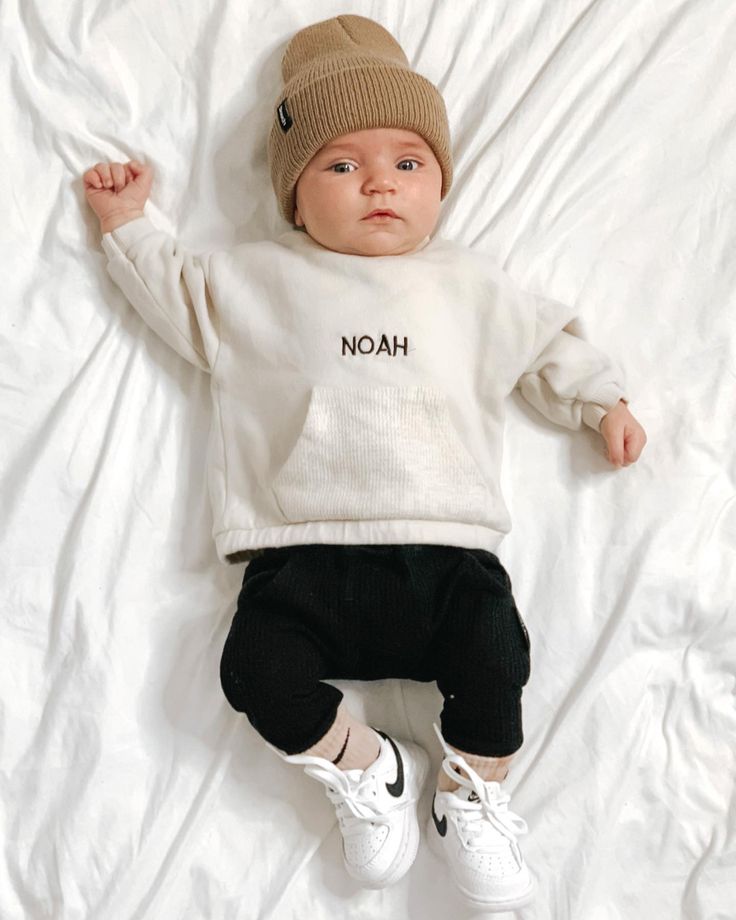
The best 2 months old OOTD boy looks combine soft clothes, easy changes, and a fit that lets your baby move with ease. A cotton bodysuit, soft pants, and a simple hat can make a sweet outfit for daily wear or photos.
Across the United States, parents dress their two-month-old boys for stroller walks, family visits, doctor appointments, and those first sweet photo days. The right outfit depends on the weather, the place you plan to go, and how long your baby will wear it. A cute look does not need fancy clothes or a large closet. A few soft basics can do the job.
At two months, comfort matters more than trends. Your baby may spend much of the day feeding, sleeping, and resting in your arms, so clothes should feel soft and allow easy movement. Look for smooth seams, gentle fabric, and snaps that make diaper changes less of a task. Simple colors and small patterns can still create a lovely baby boy OOTD.
This guideshares outfit ideas for home, outdoor walks, family photos, and special days. It also covers clothing sizes, layers, seasonal needs, and key safety points. Use the ideas as a starting point, then adjust each look to your baby’s size, comfort, and the weather in your area.
A good outfit for a two-month-old boy feels soft, fits well, and makes daily care easy. At this age, babies do not need stiff jeans, tight waistbands, or lots of extra pieces to look dressed up. A simple bodysuit with soft pants can look neat while keeping your baby at ease. For a photo, a clean color palette can make the whole look feel special.
Baby clothing sizes vary by brand, and babies grow at different rates. Age labels are only a guide, so check the garment’s fit rather than relying on the number on the tag. Clothes should not press into the neck, belly, or legs. Your baby should be able to bend his arms and legs without a tight pull from the fabric.
Source: i.pinimg.com
Soft fabric
Cotton and other soft, breathable fabrics are useful for daily wear. Check the inside for rough seams, stiff labels, and scratchy trim.
Easy diaper access
Bodysuits with bottom snaps and sleepers with easy front openings can save time during frequent diaper changes.
A comfortable fit
Leave room for normal movement without letting the neckline, sleeves, or leg openings become loose enough to cover the face.
Simple details
Small prints, soft stripes, and calm colors look lovely without needing beads, loose ties, or bulky decorations.
How to Choose the Right Size
Start with your baby’s height and weight when the brand provides a size chart. Compare those details with the label, then check how the clothes fit at the shoulders, waist, and legs. Some two-month-old babies still wear newborn sizes, while others need a larger size. There is no need to force a particular size just because your baby has reached a certain age.
Check the neck
The opening should fit comfortably and should not press against your baby’s throat.
Check the legs and arms
Sleeves and leg openings should allow movement without cutting into the skin or slipping over the hands and feet.
Check the length
A sleeper should allow room for the legs to bend and move. Do not use a garment that is so long or loose that it bunches around the face.
10 Cute Outfit Ideas for a Two-Month-Old Boy
You can build many sweet baby boy looks from a few basic pieces. Start with a comfortable base, then choose colors or prints that suit the day. For home, a plain bodysuit may be all your baby needs. For family photos, a soft knit outfit or a neat romper can add a little style without making dressing hard.
These ideas work as inspiration rather than strict rules. Check the weather and the setting before adding layers, and skip any piece that feels tight or gets in the way of feeding, holding, or changing your baby.
Source: i.pinimg.com
1. Classic white bodysuit
A plain white cotton bodysuit is easy to pair with soft pants. It suits home photos, tummy time while awake and supervised, and relaxed family days.
2. Neutral beige set
Try a cream or beige top with matching soft pants. The calm shades create a neat look and pair well with a plain blanket used only for a supervised photo.
3. Striped romper
A blue-and-white or gray-and-white striped romper adds a classic touch. Choose one with easy snaps and enough room around the chest and legs.
4. Soft blue outfit
A light blue bodysuit with gray or navy pants creates a simple look for a family visit. Pick a breathable fabric if the room is warm.
5. Tiny animal print
Small bear, duck, or woodland prints can make an everyday outfit feel playful. Check that printed designs do not have loose parts that can come off.
6. Cozy footed sleeper
A well-fitting footed sleeper keeps the outfit simple and may reduce the need for separate socks. Choose the right weight for the room and avoid extra layers that could cause overheating.
7. Soft knit set
A gentle knit top and matching pants can work for a short family gathering in mild weather. Avoid rough yarn, tight cuffs, and bulky pieces that make it hard to hold your baby close.
8. Tiny plaid outfit
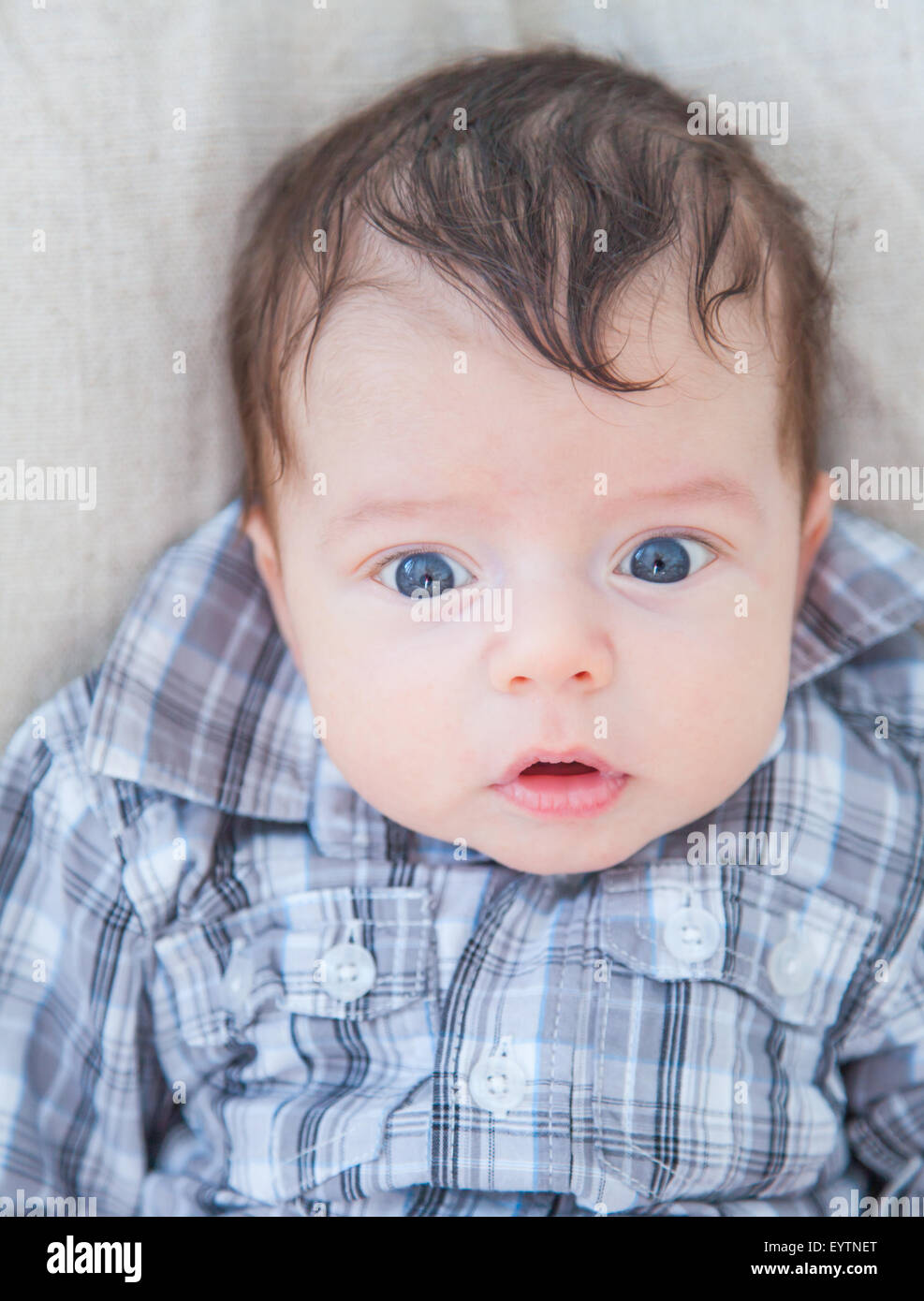
A plaid cotton romper or shirt-style bodysuit adds pattern without looking too busy. Make sure buttons are secure and that no sharp or loose trim touches the skin.
9. Earth-tone look
Olive, rust, tan, and cream can create a warm autumn look. Use lightweight layers when needed rather than choosing a thick outfit just for the color.
10. Simple special-day outfit
For a birthday visit or family event, try a soft collared bodysuit with comfortable pants. A formal look is optional; your baby’s comfort should guide every choice.
How to Build an Outfit Without Buying More Clothes
Use the same few basics in different combinations. One plain bodysuit can work with striped pants one day and neutral pants the next. A patterned romper can stand alone in warm weather or sit under a suitable outer layer when it is cool. This approach keeps the closet small and makes it easier to dress your baby in a hurry.
Pick three base colors
White, gray, and blue are easy to mix, though any colors you like can work.
Repeat useful pieces
Choose bodysuits and sleepers that can be worn often and washed with the rest of the baby’s laundry.
Save special pieces for short outings
If an outfit has more layers or takes longer to change, use it for a brief photo or visit rather than all-day wear.
Best Everyday Outfits for Home and Errands
For most days, a bodysuit or sleeper is a practical choice for a two-month-old boy. Babies at this age need frequent feeds, diaper changes, naps, and cuddles. Clothes that open at the front or bottom can make each task easier. A stylish outfit should never turn a quick change into a long struggle.
Think about what the day holds before dressing your baby. A quiet day at home may call for one soft layer, while a short trip outside may need an extra layer that you can remove indoors. Check your baby’s chest or back to judge warmth rather than relying only on cool hands or feet.
Source: i.pinimg.com
For a calm day at home
Use a cotton bodysuit, a light sleeper, or a soft top with pull-on pants. Keep the room at a comfortable temperature and change wet or dirty clothes promptly.
For a grocery run
Choose a simple bodysuit and pants with a suitable outer layer for the weather. Avoid loose accessories that can slip or get caught while you lift your baby.
For a doctor’s visit
Choose clothes that are easy to open for weighing and examination. A two-way zipper or snap-front outfit may help, depending on the design.
For a family visit
A clean romper or matching set is enough for a dressed-up look. Bring a spare bodysuit in case of spit-up or a diaper leak.
A Simple Daily Outfit Formula
A useful formula is one comfortable base layer, one optional weather layer, and a spare outfit in your diaper bag. For example, dress your baby in a cotton bodysuit and soft pants, then add a light cardigan for a cool walk if needed. Remove the extra layer when you move into a warm building or car. Never let a cute outfit take priority over a safe temperature.
Before leaving
Check the forecast, the time outdoors, and the temperature where your baby will spend most of the trip.
Pack a spare
A spare bodysuit, diaper, and small cloth can help you handle common messes without changing the whole plan.
Seasonal OOTD Ideas for a Two-Month-Old Boy
The best outfit changes with the weather, indoor temperature, and time spent outside. A baby may need a lighter outfit on a warm day and a few suitable layers when the air is cold. Since young babies cannot adjust their clothing on their own, adults need to check for signs of overheating or chilling and make changes as needed.
Do not judge warmth by the outfit alone. Sun, wind, indoor heating, car seats, and time outdoors all affect what your baby needs. Dress for the setting, then check your baby’s chest or back during the outing.
Source: 1.bp.blogspot.com
Spring
Try a long-sleeve cotton bodysuit with soft pants. Keep a light layer nearby for a cool morning or breezy walk, and remove it when the temperature rises.
Summer
Choose lightweight, breathable clothing that covers the body as needed. Keep your baby out of direct sun, use shade, and follow pediatric sun-protection guidance for young infants.
Fall
A long-sleeve bodysuit with comfortable pants can work well, with a suitable outer layer for cool air. Check your baby’s warmth after moving indoors.
Winter
Use suitable indoor clothing and add layers for time outside. Keep bulky coats and puffy clothing out from under car-seat harnesses; use the seat maker’s guidance for safe travel layers.
How to Tell If Your Baby Is Too Warm
A baby’s chest or upper back gives a more useful sense of body warmth than hands or feet alone. If the skin feels hot, the baby is sweating, or the chest feels damp, remove an extra layer and move to a cooler setting. Red skin and unusual discomfort may also signal that the outfit is too warm. Seek medical advice promptly if your baby seems unwell or you are concerned about overheating.
Use layers with care
Choose light layers that are easy to remove rather than one very thick outfit.
Check after a change in setting
A cool outdoor walk can lead to a warm car or store. Recheck clothing when the setting changes.
How to Dress a Two-Month-Old Boy for Photos
A simple outfit often works best for baby photos because it keeps the focus on your baby’s face and expressions. Choose one main color or a small pattern, then keep other pieces plain. Soft blue, cream, pale green, gray, and gentle stripes can all look good in a family album. You do not need a full matching set to make a photo feel planned.
Plan the outfit before you set up the camera. Check the fit, remove any scratchy tags, and make sure your baby is fed and settled as appropriate. Keep photo sessions short, and stop if your baby seems tired, hungry, or upset. A calm baby in a plain sleeper can make a more meaningful picture than a complicated outfit.
Source: i.pinimg.com
Use soft colors
Choose shades that look good together rather than mixing many bold patterns. A single print can be enough.
Keep the setting simple
A clean, uncluttered background can help the outfit and your baby’s face stand out.
Check the fit before the shot
Smooth twisted fabric and adjust the clothes while your baby is safely supported. Do not pull the neckline or sleeves into a tight position.
Keep props away from sleep
Letters, stuffed toys, blankets, and other props should not be left with your baby in a sleep space. Take photos only with active adult supervision and return the baby to a safe sleep setup afterward.
Simple Two-Month Milestone Photo Ideas
A two-month milestone photo can show your baby’s growth without a complex setup. Dress your baby in a soft bodysuit or sleeper and take a few pictures in a well-lit room while an adult stays close. If you use a milestone card or letter board, place it beside the baby or have another adult hold it safely outside the baby’s reach. Do not put small objects or loose items near the baby’s face.
The classic portrait
Use a plain outfit and a calm background for a clear picture of your baby’s face.
The outfit detail
Take a close-up of the fabric, small print, or tiny feet while keeping the baby supported and comfortable.
The family photo
Have a parent or trusted adult hold the baby securely. Matching colors between family members can create a coordinated look without matching every garment.
Baby Clothing Safety: What Parents Should Check
Cute clothes should never get in the way of breathing, safe sleep, or secure travel. At two months, babies need close adult care, and some clothing details that look harmless can cause problems. Check the fit and condition of each garment before use. If a piece has loose parts, damaged snaps, long ties, or rough edges, choose another outfit.
Sleep safety deserves extra care. The American Academy of Pediatrics recommends placing babies on their backs on a firm, flat, separate sleep surface with no loose bedding or soft objects. A baby can wear suitable sleep clothing, such as a well-fitting sleeper or correctly sized wearable blanket, but ordinary outfit styling should not add loose blankets, hats, or toys to the sleep space.
Source: c8.alamy.com
Avoid loose parts
Check for loose buttons, beads, decorative pieces, long cords, and other parts that could detach or become caught.
Check clothing fasteners
Make sure snaps and zippers work as intended and do not have sharp edges. Cover zipper pulls or guards should stay in place as designed.
Do not overdress for sleep
Use sleep clothing suited to the room temperature and follow current safe-sleep guidance. Do not cover the baby’s head indoors during sleep.
Use car seats correctly
Avoid bulky coats or padded outfits under the harness. Secure the harness according to the seat manual, then add a suitable blanket over the harness if needed and if it does not interfere with restraint use.
Watch for skin irritation
If a new outfit leaves red marks or causes a rash, remove it and check the seams, detergent, fabric, and fit. Contact a health professional if the reaction is severe, spreads, or does not improve.
Can a Two-Month-Old Wear Hats or Shoes?
A soft hat may be useful outdoors in cool weather, but it should not be used to keep a baby warm indoors during sleep. Remove it when the baby is warm or inside a heated space. For everyday wear, shoes are usually not needed for a baby who is not walking. Soft socks or a footed sleeper may be enough to keep the feet covered when appropriate.
For outdoor use
Choose a hat that fits securely without covering the face and remove it when it is no longer needed.
For photos
A short, supervised photo with a simple hat may be fine if the baby stays comfortable. Remove the hat afterward if the room is warm.
For daily comfort
Do not use tight footwear or accessories that restrict movement. Choose comfort over a finished fashion look.
How to Build a Small Baby Boy Outfit Wardrobe
You do not need a large wardrobe to create different looks for a two-month-old boy. A small group of useful basics can cover most days, and a few extra pieces can help with spills or weather changes. The exact number depends on how often you do laundry, how much your baby spits up, and whether you use a washer and dryer at home.
Buy for the next few weeks rather than stocking up on many outfits in one size. Babies grow at different rates, and a garment that fits today may soon feel snug. Keep receipts and tags for items you have not used, where store policies allow returns or exchanges.
Source: i.pinimg.com
Bodysuits
Start with several short-sleeve and long-sleeve options suited to your climate and indoor temperature.
Sleepers
Keep a few well-fitting sleepers on hand for naps, bedtime, and easy days at home. Choose the fabric weight based on the room and season.
Soft pants
A few pairs with gentle waistbands can help turn plain bodysuits into simple day outfits.
Weather layers
Keep a light cardigan or suitable outer layer for changing conditions, but remove unnecessary layers indoors.
Spare clothes
Store a clean bodysuit and sleeper in the diaper bag so a spill or diaper leak does not end the outing.
A Sample Outfit Plan for One Week
A weekly plan can help you use what you own without making each morning feel like a styling task. These are sample combinations, not a requirement to change into a new outfit every day. Reuse clean clothes as needed, and change garments whenever they become wet, soiled, or uncomfortable.
Day 1
White bodysuit with soft gray pants.
Day 2
Striped romper for a family visit.
Day 3
Cotton sleeper for a quiet day at home.
Day 4
Blue bodysuit with neutral pants.
Day 5
Small-print bodysuit with a suitable weather layer.
Day 6
Soft knit outfit for a short outing in mild weather.
Day 7
A clean favorite outfit or sleeper, depending on the day’s plans.
Common Outfit Mistakes to Avoid
A baby outfit may look lovely in a photo but still be hard to wear for a full day. Tight clothes, too many layers, and fussy fasteners can make diaper changes and naps less comfortable. A quick fit check can help you spot issues before leaving home.
Think about function as well as style. A two-month-old does not need stiff denim, a belt, or formal shoes to look dressed up. If the baby seems uncomfortable, remove the problem piece rather than keeping it on for the sake of a picture.
Source: i.pinimg.com
Buying by age alone
A two-month label does not guarantee a good fit. Check measurements and the actual garment.
Adding too many layers
Extra layers can make a baby too warm, especially in a heated home, store, or car. Check the baby’s chest or back and adjust.
Choosing style over easy changes
Many buttons, tight pants, and difficult fasteners can make routine care harder. Pick practical designs for everyday use.
Leaving accessories on during sleep
Remove hats, bows, loose blankets, and photo props before placing your baby in the sleep space.
Ignoring fabric care
Follow the care label and wash new clothing before use. Check for loose threads or damaged fasteners after washing.
What to Do If an Outfit Does Not Fit
If the neck or waist feels tight, the snaps pull apart, or the fabric restricts movement, change your baby into a better-fitting garment. If the outfit is too loose, bunches up, or slips toward the face, do not try to fix the problem with pins or improvised ties. Set it aside until it fits properly or choose a different size and design.
Try another cut
Two garments with the same age label may fit differently. Compare the shape and size chart before buying again.
Check after washing
Some fabrics may shrink or change shape. Inspect the garment and make sure it still fits before putting it on your baby.
How to Wash and Care for Baby Outfits
Clean clothes help keep your baby’s skin comfortable and make each outfit ready for the next wear. Follow the garment care label, use a suitable detergent, and keep dirty clothing away from clean items. You do not need a special wash routine for every outfit, but sensitive skin or a known skin issue may call for advice from your child’s health professional.
Check snaps, zippers, seams, and elastic after washing. A loose snap or damaged zipper can make an outfit less useful and may create a safety concern. Dry clothes fully before putting them away, and store everyday basics where you can reach them during a quick change.
Source: i.pinimg.com
Read the care label
Use the recommended water temperature and drying method to reduce the risk of shrinkage or fabric damage.
Wash soiled clothes promptly
Remove excess mess and wash the garment according to its care instructions.
Inspect the garment
Look for loose threads, worn elastic, sharp fasteners, and small decorative pieces that may have come free.
Keep clean clothes dry
Put fully dry garments in a clean drawer or basket so they are ready for the next outfit.
When Should You Change Your Baby’s Outfit?
Change your baby’s clothes when they become wet, dirty, sweaty, or uncomfortable. Spit-up and diaper leaks are common reasons to keep a spare outfit close by. A clean outfit is also useful after a bath or when the weather changes enough to make the current clothes unsuitable. There is no fixed number of outfit changes that fits every baby or every day.
After a leak
Change any wet or soiled clothing and clean the skin as needed.
After sweating
Remove damp clothes and adjust the layers or room temperature.
Before a photo
Check that the outfit is clean and comfortable, but do not delay feeding or rest just to get the picture.
Frequently Asked Questions
Q
What should a two-month-old baby boy wear every day?
A soft bodysuit, comfortable pants, or a well-fitting sleeper works well for many everyday routines. Choose the number of layers based on the room temperature and weather. Make sure the clothes allow free movement and do not press on the neck, belly, arms, or legs.
Q
What size clothes does a two-month-old boy need?
The right size depends on your baby’s height, weight, body shape, and the brand’s sizing. Some babies still fit newborn clothes, while others need a larger size. Use the size chart and check the garment’s fit instead of choosing by age alone.
Q
How can I make a two-month-old boy look cute for photos?
Choose a soft bodysuit, romper, or sleeper in a simple color or small print. Use natural light and a calm background, and keep the photo session short. Make sure an adult supports the baby and remove props before placing the baby in a sleep space.
Q
Can a two-month-old boy wear jeans?
Soft baby pants that look like denim may work if they fit well and have a gentle waistband. Stiff fabric, tight seams, hard buttons, and bulky waistbands can make movement and diaper changes harder. Soft cotton pants are often easier for everyday wear.
Q
How many outfits does a two-month-old baby need?
The number depends on laundry access, climate, and how often clothes become wet or soiled. A small set of bodysuits, sleepers, pants, and a few weather layers can cover many routines. Keep at least one clean spare outfit in the diaper bag when leaving home.
Q
Should a two-month-old wear a hat indoors?
A hat is usually not needed indoors in a comfortably warm room, and babies should not wear hats during sleep. Too much clothing can lead to overheating. For outdoor use, choose a suitable hat when the weather calls for it and remove it when the baby is warm or back inside.
Q
Are matching outfits safe for a two-month-old boy?
Matching sets can be safe when each piece fits well and has no loose or sharp parts. Check buttons, ties, decorative pieces, and fasteners before dressing your baby. Avoid bulky outerwear under a car-seat harness and keep loose accessories away from the baby’s face and sleep space.
✦ Wrapping Up
Conclusion
A 2 months old OOTD boy look can be cute, simple, and easy to wear. Start with soft bodysuits, sleepers, and pants, then choose colors or prints that suit the day. A small set of well-fitting basics can create plenty of looks for home, short outings, and family photos without filling the closet with clothes your baby may soon outgrow.
Keep comfort and safety at the heart of each outfit. Check the fit, adjust layers to the weather, and look for loose parts or rough seams before dressing your baby. For photos, choose a calm setting and keep your baby supported and supervised. The sweetest outfit is one that lets your little boy stay comfortable while you enjoy these early months.
💡 Key Takeaway
For your baby’s next outfit, start with a soft, well-fitting cotton bodysuit, add comfortable pants if needed, check the room or outdoor temperature, and pack one clean spare before leaving home.