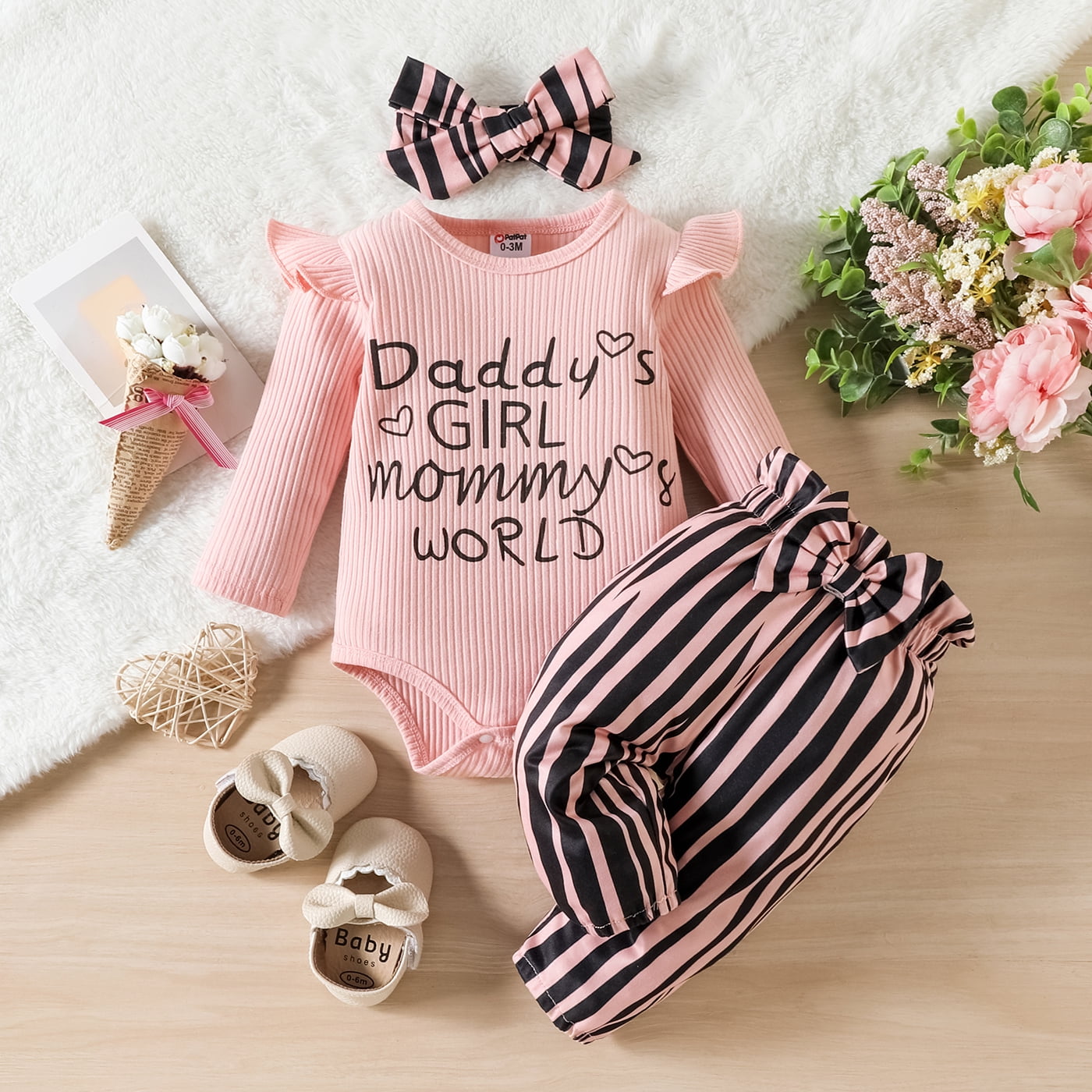
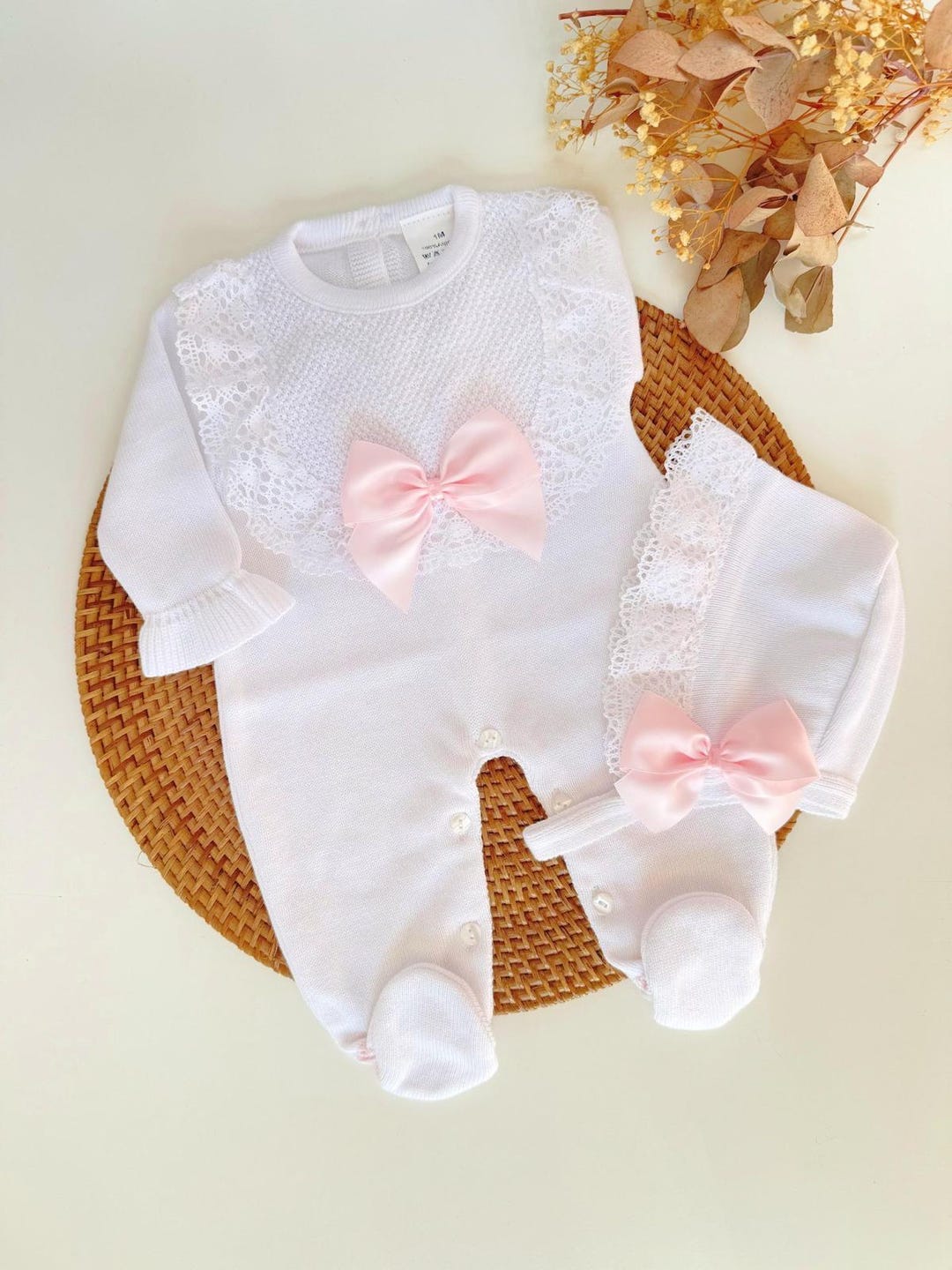
The best newborn first day clothes are soft, easy to change, weather-appropriate, and safe for a tiny baby. Pack a simple cotton bodysuit or footed sleeper, a spare outfit, socks if needed, and a hat for outdoor warmth when suitable. Check your hospital’s rules, the weather, and your baby’s fit before choosing the final outfit.
Bringing a newborn home from a hospital or birth center in the United States is a special day for many families. Between the car seat, diaper bag, discharge papers, and a long list of small tasks, choosing an outfit can feel harder than it should. A simple, soft set of clothes is often all your baby needs.
Your baby’s first outfit does not need to be fancy or costly. Newborns can have sensitive skin, lose heat quickly, and need frequent diaper changes. Focus on comfort, a good fit, easy access for care, and the temperature outside. A practical outfit can still look lovely in family photos.
A newborn usually needs one clean, comfortable layer next to the skin and another layer when the room or outdoor weather calls for it. A cotton bodysuit or footed sleeper works well for many babies. Choose clothes that open at the front or along the legs so you can dress your baby without pulling fabric over the head more than necessary.
The right outfit depends on the season, the temperature, and your baby’s size. A baby leaving a hospital in a warm US state may need a light sleeper, while a baby going home during a cold Midwestern winter needs more care with outdoor warmth. In both cases, keep the car seat harness free of bulky clothing.
Many hospitals provide a shirt, diaper, blanket, or other basic items during the stay, but policies differ. Ask what your hospital supplies before packing. Your baby may also need extra layers if the care team is monitoring body temperature or giving special care.
Source: i.etsystatic.com
One soft bodysuit
Pick a clean cotton or other soft, breathable bodysuit that fits without squeezing the neck, chest, arms, or legs.
One footed sleeper
A sleeper with built-in feet can keep the baby’s toes covered and reduce the need for loose socks.
A spare outfit
Pack an extra set in case of spit-up, a diaper leak, or a change in the weather.
A suitable outdoor layer
Use a light sweater or a blanket outside the harness when needed, but never place bulky padding between your baby and the car seat straps.
Bodysuit or Footed Sleeper: Which Is Better?
A bodysuit is useful in warm weather or as a base layer under other clothes. It usually has snaps at the crotch, which makes diaper changes easier. A footed sleeper covers the arms, body, and feet in one piece, so it can be a simple option for a cool room or a mild day.
Neither style is right for every baby or every climate. Choose the one that fits your baby well and allows free movement. If your hospital uses monitoring leads or needs quick access to your baby’s chest, ask the care team which design will work best.
Choose a bodysuit
Use it as a light base layer or for a warm trip home.
Choose a footed sleeper
Use it when you want a single outfit with covered feet and easy diaper access.
How to Choose the Right Newborn Outfit
Start with comfort, not appearance. Newborn skin can be delicate, and babies cannot tell you when a seam rubs or an outfit feels too tight. Choose smooth fabric, soft edges, and closures that stay secure without pressing into the skin.
Cotton is a common choice because it feels soft and is easy to wash. Cotton blends may also work well, depending on the fabric and the baby’s needs. No fabric is best for every child, so check the feel of the material and watch for redness, marks, or signs of irritation.
Size matters just as much as fabric. Newborn sizing varies by brand, and some babies are too small or too large for a standard newborn outfit at birth. Clothes should not restrict breathing, bend the limbs into an awkward position, or cover the face when the baby moves.
Source: i.etsystatic.com
Check the neckline
Make sure it does not press against the throat or ride up over the chin.
Look at seams and labels
Avoid rough seams, stiff tags, loose threads, and decorations that may scratch the skin.
Test the closures
Snaps and zippers should open easily for care but remain secure during normal movement.
Keep the fit comfortable
Allow room for natural arm and leg movement without excess fabric bunching around the face.
Should You Buy Newborn or 0–3 Month Sizes?
Newborn size often fits babies who are smaller than the typical 0–3 month range, but clothing sizes are not standardized across all brands. Some babies outgrow newborn clothes quickly, while others need smaller preemie sizes. Birth weight and length can help guide your choice, though they cannot predict the exact fit of every garment.
Pack one newborn outfit and one slightly larger option if you are unsure. You do not need to buy a large wardrobe before birth. Check the garment’s size chart and keep the receipt when possible, especially if you buy clothes before your baby arrives.
Newborn size
Often works for a small first outfit when the baby fits within the brand’s stated measurements.
0–3 month size
Can offer more room for a larger newborn, but check that the neck and sleeves are not too loose.
Preemie size
May be needed for a smaller baby. Ask the hospital team for advice if your baby is premature or has a low birth weight.
What to Pack for Your Baby’s First Day Home
A small, well-planned bag can cover most clothing needs for the trip home. Keep the outfit clean and easy to reach, rather than placing it beneath heavy bags or other supplies. If you are staying in a US hospital, confirm the discharge process and ask whether your baby will need a particular type of clothing for the car seat check.
Newborns often need more outfit changes than parents expect. Spit-up, milk dribbles, and diaper leaks can happen even during a short trip. A spare sleeper gives you a simple backup without making your bag too full.
You can pack a special photo outfit if you like, but it should not replace the practical set. Choose something that is quick to put on and take off. If a decorative outfit has a stiff collar, tight band, long ties, or loose accessories, save it for a supervised photo after you reach home.
Source: d2bzx2vuetkzse.cloudfront.net
One main outfit
Pack a soft bodysuit or sleeper that fits your baby’s expected size.
One spare outfit
Choose a second clean set that can work in a similar temperature.
Diapers and wipes
Pack a few diapers and suitable wipes or other supplies recommended by your care team.
A light blanket
Use it for carrying or warmth when appropriate, not as loose bedding in the car seat or sleep space.
Weather-appropriate outerwear
Bring a suitable layer for outdoor travel, keeping bulky padding out from under the car seat harness.
A Simple Hospital Bag Clothing Checklist
Pack the main outfit in a separate clean bag or pouch so you can find it quickly. Keep the spare set in another section. This small step can save time when you are tired and learning how to hold and dress your newborn.
Check the forecast for the day you expect to leave, but prepare for changes. Air-conditioned hospitals may feel cool even during summer, while a warm car can quickly become uncomfortable. Adjust layers based on the actual temperature rather than adding clothes automatically.
Before leaving home
Wash new clothes with a mild detergent, check the size, and remove loose tags or threads.
Before discharge
Confirm that the outfit fits and ask staff about any special care needs.
Before the car ride
Check that the car seat is correctly installed and that the harness fits snugly over the clothes.
How to Dress a Newborn for the Season
The best first-day outfit changes with the weather. A newborn needs enough warmth to stay comfortable, but too many layers can lead to overheating. Indoor temperature, time outdoors, wind, and travel time all affect what your baby should wear.
For many babies, a light layer indoors is enough, with an extra layer added when needed. Feel your baby’s chest or back to check warmth rather than relying only on hands and feet, which can feel cool even when the baby’s body is warm. If the skin feels hot or sweaty, remove an unnecessary layer and check again.
Follow the care team’s advice if your baby was born early, has a low birth weight, or has trouble maintaining body temperature. General clothing tips may not meet the needs of a baby who requires extra monitoring or specialized care.
Source: i5.walmartimages.com
Spring
Choose a light bodysuit or sleeper and bring a thin extra layer if the morning or evening feels cool.
Summer
Use light, breathable clothing and avoid excess layers in a hot car or outdoors. Keep your baby out of direct sun as much as possible.
Fall
A footed sleeper with a light layer for the trip may be enough in mild weather. Adjust for wind and changing temperatures.
Winter
Dress in suitable thin layers and add a blanket over the secured car seat harness when needed. Never place a bulky coat or snowsuit under the straps.
Newborn Clothes for a Cold Winter Day
Cold weather calls for careful planning, not a pile of thick clothes. A thin base layer and a suitable sleeper can keep the baby dressed without adding bulk beneath the harness. Warm the car before placing your baby inside when practical, then remove any extra blanket or outer layer if the cabin becomes too warm.
Once the baby is secured in the car seat, you may place a blanket over the harness and around the body if needed, keeping the face clear. Do not cover the baby’s head or face with loose fabric. Remove extra layers indoors to prevent overheating.
Avoid bulky outerwear
Puffy coats and thick snowsuits can compress in a crash and leave the harness too loose.
Warm the car safely
Prepare the cabin before travel when possible, but never leave a baby alone in a running vehicle.
Check the baby’s temperature
Look for sweating, a hot chest, or unusual changes in behavior, and follow medical guidance when concerned.
Newborn Clothing Safety on the First Day
Safe clothing should allow your baby to breathe freely, move naturally, and stay at a suitable temperature. Avoid drawstrings near the neck, long ribbons, loose buttons, and small decorations that could detach. Check the garment before each use, especially after washing, because seams and fasteners can wear down.
The car seat is one of the most important safety checks before leaving the hospital. Use a rear-facing car seat that is suitable for your baby’s size and follow both the seat manual and vehicle manual. Place the harness snugly against the baby’s body over thin clothing, with no bulky coat or padded outfit beneath it.
Clothing safety continues after the trip home. If your newborn falls asleep, place the baby on their back on a firm, flat sleep surface designed for infants. Keep loose blankets, pillows, soft toys, and other loose items out of the sleep space. A cute outfit does not make loose bedding safe.
Source: babyforest.in
Keep the face clear
Do not use clothing, blankets, or hats that slip over the nose or mouth.
Avoid small detachable parts
Skip outfits with loose buttons, beads, bows, or other parts that could come off.
Check the car seat fit
Follow the car seat manual and make sure the harness stays snug over the clothing.
Prevent overheating
Remove extra layers indoors and check the baby’s chest or back for excess warmth.
Use safe sleep clothing
Choose a properly fitted sleeper or an appropriate wearable blanket for sleep, following the product instructions and current safe-sleep guidance.
Can a Newborn Wear a Hat Home?
A hat may be useful for a short outdoor trip in cool weather when recommended by the care team. It is not needed for every baby in every setting, and a hat can contribute to overheating indoors. Follow hospital guidance if your baby needs help maintaining body temperature.
Remove a routine outdoor hat when the baby is warm indoors or sleeping, unless a clinician has given specific instructions for your baby’s care. Make sure any hat fits well and cannot slide down over the face.
Use when appropriate
A well-fitting hat can help with outdoor warmth in suitable conditions.
Avoid excess heat
Remove extra headwear indoors when it is no longer needed.
How to Prepare and Wash Your Baby’s First Clothes
Wash new baby clothes before the first wear. This helps remove dust or residue from handling and storage, though washing does not make every garment free of all possible irritants. Use the care label to choose the right wash and dry settings.
A mild, fragrance-free detergent can be a sensible starting point for babies with sensitive skin. You do not always need a separate detergent made just for babies. If a rash or irritation appears after using a product, stop using it and ask a healthcare professional for advice when needed.
Check every garment after washing. Look for loose threads, broken snaps, rough patches, and zippers that may rub the skin. Store the clean outfit in a dry, clean place until discharge day.
Source: myhomebasedlife.com
Read the care label
Follow the fabric’s washing and drying instructions to help preserve its fit and softness.
Use a suitable detergent
Start with a mild option, especially if your baby has sensitive skin or a history of irritation.
Skip unnecessary extras
Avoid adding strong fragrance products if they irritate your baby’s skin.
Inspect the finished clothes
Make sure fasteners work, seams are smooth, and no small parts have come loose.
Do You Need Special Newborn Clothes for the Hospital?
Most families do not need a special outfit made only for hospital use. A basic, clean bodysuit or sleeper is usually a practical option for going home, but hospitals may have different requirements. Some babies need clothing that gives staff access to monitors, dressings, or medical equipment.
Ask the hospital what to bring before your due date or planned delivery. If the care team says your baby needs a particular style, size, or layer, follow that advice rather than relying on a general checklist.
Check the hospital list
Confirm which clothes and baby supplies the facility provides.
Ask about special care
Seek advice if your baby is premature or needs temperature monitoring or medical devices.
Common Mistakes to Avoid When Choosing a First Outfit
A first-day outfit can look sweet on a hanger and still be hard to use on a newborn. Tiny buttons, narrow neck openings, stiff collars, and complicated layers can turn a quick change into a struggle. A simple design is often easier for new parents who are still learning how to support the baby’s head and body.
Another common mistake is dressing by the calendar alone. A July date does not guarantee a warm car, and a December date does not mean your baby needs a thick coat beneath the harness. Check the actual conditions and adjust the layers as needed.
Parents may also buy too many newborn outfits before knowing their baby’s size. A small set of well-fitting basics is often more useful than a drawer full of clothes that are too tight or too loose. You can add more after you learn what works for your child.
Source: lullabylanebabyshop.com
Choosing style over ease
Avoid clothes that are difficult to open or require many steps to put on.
Using a loose fit
Oversized clothing can bunch near the face or interfere with a secure car seat harness.
Adding too many layers
Extra clothing can make a baby too warm, especially in a heated car or indoor space.
Skipping a spare outfit
A backup set helps if the first outfit becomes wet or dirty.
Ignoring care instructions
Follow the hospital’s advice when a baby’s size or health needs change the usual clothing plan.
What If the Outfit Does Not Fit on Discharge Day?
Do not force a tight outfit over your baby’s head or limbs. Try the spare size and check the neckline, sleeves, and leg openings. The fabric should sit comfortably without pressing into the skin or restricting movement.
If both outfits fit poorly, ask the care team for help before leaving. The hospital may have a suitable alternative or be able to advise you on the safest option for the trip. Your baby’s comfort and safe travel matter more than wearing the planned photo outfit.
Try the backup size
Use the outfit that fits safely rather than the one chosen for a photo.
Check for pressure marks
Look for tight bands or seams that leave deep marks or restrict movement.
Ask for help
Contact the care team if you are unsure about fit or special clothing needs.
A Practical First-Day Outfit Plan for Different Situations
The simplest way to plan is to match the outfit to the baby, the indoor temperature, and the journey. A short ride from the hospital to a nearby home may call for fewer layers than a long drive with stops. Even then, the car seat harness must fit correctly, and the baby’s face must remain uncovered.
Use the examples below as starting points, not fixed rules. A baby’s health, size, and ability to stay warm can change what is suitable. Follow any specific advice from your maternity team, especially during the first days after birth.
Source: lilbontre.com
Warm summer afternoon
Try a light bodysuit or thin sleeper, with a spare layer available for cool indoor spaces. Keep the baby out of direct sun.
Mild spring or fall day
A footed sleeper may work well, with a light extra layer for the trip outside if needed.
Cold winter morning
Use thin layers that fit beneath the harness, then add a blanket over the secured harness for warmth when appropriate.
Premature or small newborn
Ask the hospital team about size, layers, and temperature control before choosing an outfit.
Keep the First Outfit Simple for Photos
A plain sleeper in a soft color can look lovely in photos without adding extra accessories. A small bow, fancy collar, or decorative blanket may look cute, but none is needed to mark the day. A calm baby in comfortable clothes is often easier to photograph than a baby in a complex outfit.
Take photos after the baby is settled and warm, while keeping the face clear and the baby supported. Do not delay feeding, a diaper change, or rest to keep the outfit clean. The day is about bringing your baby home safely, not keeping every piece of clothing spotless.
Choose soft colors
Simple shades can work well in photos and are easy to pair with other basics.
Avoid loose accessories
Keep small decorations, long ties, and loose items away from the baby’s face.
Frequently Asked Questions
Q
How many outfits should I pack for my newborn’s first day?
Pack one main outfit and one spare set for the trip home. A spare is useful if your baby spits up or has a diaper leak. If you expect a longer hospital stay, follow the hospital’s clothing list and pack more as needed.
Q
Should a newborn wear a onesie or a sleeper home?
Either can work if it fits well and suits the temperature. A onesie is a light option for warm conditions or as a base layer, while a footed sleeper covers the body and feet in one piece. Choose the design that allows easy diaper changes and does not interfere with the car seat harness.
Q
Do newborns need socks and mittens on the first day?
Socks may help if your baby’s outfit leaves the feet uncovered, but a footed sleeper often makes them unnecessary. Mittens are not always needed and should not be loose or interfere with care. Keep the baby’s hands and feet comfortable, and ask the care team if your baby needs special temperature support.
Q
Can my baby wear a thick coat in the car seat?
No. Thick coats and padded snowsuits can compress in a crash and leave too much space under the harness. Dress your baby in thin layers, secure the harness snugly according to the car seat manual, and place a blanket over the secured harness if extra warmth is needed.
Q
Should I wash newborn clothes before the first wear?
Yes, washing new clothes before use is a sensible way to remove dust and residue from handling or storage. Follow the care label and use a suitable detergent. Check the garment after washing for loose threads, rough seams, and damaged fasteners.
Q
What should my newborn wear home in hot weather?
Choose a light, breathable outfit and avoid unnecessary layers. Keep your baby out of direct sun and check for signs of overheating, such as a hot chest or sweaty skin. The car can heat up quickly, so pay attention to the cabin temperature and follow your baby’s care instructions.
Q
What if my baby is too small for newborn clothes?
Do not force a standard newborn outfit to fit. Ask your hospital team whether a preemie size or another option is suitable. Premature and low-birth-weight babies may need extra support with warmth, so follow individual medical guidance rather than relying on clothing size alone.
✦ Wrapping Up
Conclusion
Choosing newborn first day clothes can be simple. A soft bodysuit or footed sleeper, a spare outfit, and a suitable extra layer will cover many families’ needs. The best choice depends on your baby’s size, the weather, the trip home, and any advice from the hospital team.
Before discharge, check that the clothes fit well, the baby’s face stays clear, and the car seat harness sits snugly over the outfit. Avoid bulky coats under the straps and remove extra layers when the baby is warm indoors. If your baby needs special care, ask the clinical team to help you plan the outfit.
💡 Key Takeaway
Pack one soft, well-fitting sleeper, one spare outfit, and a suitable light layer. Wash the clothes before use, check the weather, and confirm that your baby can travel safely in a correctly fitted rear-facing car seat.