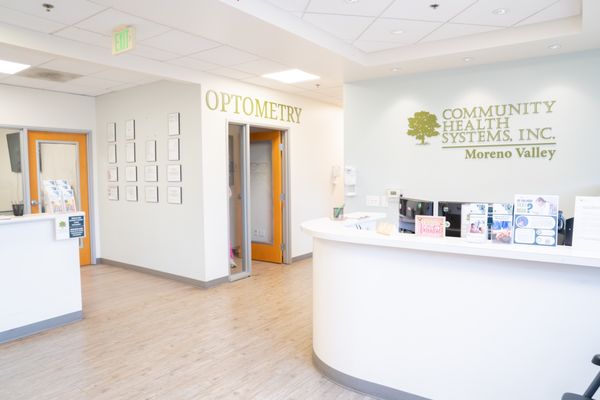
Women’s care in Moreno Valley, California, includes routine gynecology visits, pregnancy care, birth control, preventive screenings, and help with common health concerns. The right provider depends on your needs, insurance, location, and preferred type of care.
Women in Moreno Valley, Riverside County, and nearby Inland Empire communities can look for care through local health centers, private medical practices, hospital-affiliated clinics, and community health programs. Some offices focus on pregnancy and childbirth, while others provide routine gynecology, family planning, and general health services. Checking the exact services offered before booking can save time and help you find the right place for your needs.
Choosing a women’s health provider does not have to feel hard. Start by deciding why you need care, then check the office’s location, accepted insurance, appointment options, and available services. If you need an annual exam, have a new symptom, or want to discuss pregnancy, these details can help you prepare. This guide explains what to look for, what to ask, and how to find suitable women’s care in Moreno Valley without relying on unverified office details.
Women’s care covers health needs that can change throughout life. It may include reproductive health, pregnancy, breast health, menstrual concerns, menopause, and routine preventive care. Some services are offered by an OB-GYN, while others may come from a family doctor, nurse practitioner, midwife, or community clinic.
The term women’s care does not refer to one specific clinic in Moreno Valley. It describes a range of services, so it is worth checking each provider’s website or calling the office to learn what it actually offers. A clinic that provides prenatal visits, for example, may not offer every type of gynecologic procedure.
Source: storage.googleapis.com
Routine gynecology
Visits can address menstrual changes, pelvic discomfort, vaginal symptoms, sexual health, and preventive care based on your age and medical history.
Pregnancy and childbirth
Prenatal care monitors the health of the pregnant patient and developing baby. Ask whether the provider also manages labor and delivery or refers patients to another facility.
Birth control and family planning
Providers can discuss birth control methods, pregnancy planning, fertility concerns, and testing for sexually transmitted infections when offered.
Midlife and menopause care
A clinician can assess hot flashes, sleep problems, vaginal dryness, changes in periods, and other concerns that may arise during perimenopause or menopause.
Preventive screenings
Depending on your age, history, and risk factors, care may include cervical cancer screening, breast cancer screening, blood pressure checks, and other preventive services.
OB-GYN Care Versus Primary Care
An obstetrician-gynecologist, often called an OB-GYN, specializes in reproductive health, pregnancy, and related conditions. A primary care clinician can also help with general health needs, preventive visits, and many common concerns. Some patients benefit from seeing both, since reproductive health is one part of overall health.
Consider an OB-GYN
This may be suitable for pregnancy care, complex menstrual concerns, pelvic symptoms, or specialist gynecologic treatment.
Consider primary care
This may be a good starting point for general checkups, chronic conditions, preventive care, or help deciding which specialist you need.
Where to Look for Women’s Care in Moreno Valley
Moreno Valley residents can begin with local medical practices, community health centers, and larger health systems serving Riverside County. The best starting point depends on whether you need a routine appointment, a specialist, pregnancy care, or a lower-cost option. A nearby office is useful, but it should also provide the services you need and accept your health plan when applicable.
The options below are types of care settings to investigate, not a guarantee that every location offers every service. Clinic programs, providers, and appointment availability can change, so confirm details directly before making plans.
Source: gvhc.org
Community health centers
Look for clinics that provide primary care, women’s health, reproductive health, or referrals. Ask about sliding-scale fees, eligibility rules, and whether new patients are accepted.
Private OB-GYN practices
These offices may offer routine gynecology, pregnancy visits, and treatment for reproductive health concerns. Check whether the practice is accepting patients and whether its clinicians are in your insurance network.
Hospital-affiliated services
Health systems may connect patients with obstetrics, gynecology, imaging, specialist care, and hospital services. Ask where appointments take place and which facility handles delivery or emergency treatment.
Public health and family planning programs
County or state-supported programs may provide certain reproductive health services, screening, counseling, or referrals. Eligibility, fees, and service locations vary.
How to Verify a Local Clinic
Search for the clinic’s official website or use the phone number listed by its health system or verified directory. Confirm the complete address, office hours, clinician’s name, and services before traveling. If a directory lists a women’s health service but the clinic’s own information does not confirm it, call to check rather than assuming the service is available.
Check the location
Make sure the address is in Moreno Valley or is practical for your trip from another part of Riverside County.
Check the service list
Ask whether the office handles your specific need, such as an annual exam, prenatal care, a pelvic health concern, or menopause symptoms.
Check appointment status
Ask whether the clinic accepts new patients and whether you need a referral or medical records before booking.
How to Choose the Right Women’s Health Provider
The right provider is one who can address your health concern, explain your choices, and work within your practical needs. A clinic with a convenient location may still be unsuitable if it does not offer the care you need or does not accept your plan. Take a few minutes to compare the main details before you schedule.
You do not need to find an office that offers every service. Focus on the care you need now, and ask how the provider handles referrals if you later need a specialist. Clear answers about fees, follow-up, and communication are useful signs that the office is a good fit for your needs.
Source: Yelp
Training and credentials
Check the clinician’s professional credentials and specialty. California licensing records can help you verify a physician’s license, while board certification can provide additional information about specialty qualifications.
Insurance and payment
Ask whether the exact clinician and office location are in network. Confirm copays, deductibles, referral rules, and possible charges for tests or procedures.
Communication style
Choose a provider who listens, answers questions clearly, respects your preferences, and explains the benefits and risks of possible treatments.
Accessibility
Check parking, public transit, wheelchair access, interpreter services, office hours, and telehealth options if these affect your visit.
Follow-up care
Ask how the office shares test results, handles urgent questions, renews prescriptions, and arranges specialist referrals.
Questions to Ask Before Booking
A short call can help you avoid a wasted trip or an unexpected bill. You can use the questions below when contacting a clinic, especially if this is your first visit or you are changing providers.
Services
Do you offer the specific service I need, and will I need a separate specialist appointment?
Insurance
Do you accept my exact plan and network, and can you estimate my out-of-pocket cost?
Preparation
Should I bring medical records, complete forms, or arrange a referral before the visit?
Results
How and when will I receive test results, and who should I contact if I have questions?
Women’s Preventive Care and Routine Exams
Preventive care helps you review your health before a problem becomes harder to manage. The visit may include a discussion of your medical history, blood pressure, medicines, reproductive goals, mental well-being, and any symptoms you have noticed. The exact exam and tests should fit your age, risk factors, and health history rather than follow one fixed plan for every patient.
An annual visit does not always mean that every screening test is due each year. For example, cervical cancer screening follows age- and history-based guidance, while breast cancer screening depends on factors such as age and personal risk. Ask your clinician which tests are due and why they are recommended.
Source: valleychildrens.org
Cervical cancer screening
Pap tests and HPV tests may be used according to current guidance and your prior results. Ask when you are due for screening and whether follow-up is needed after an abnormal result.
Breast health
Discuss the recommended timing of mammograms based on your age and risk. Report a new lump, nipple discharge, skin changes, or other unusual changes promptly.
Blood pressure and general health
A preventive visit may include checks for high blood pressure and discussion of diabetes risk, smoking, nutrition, physical activity, and other health factors.
Sexual and reproductive health
Depending on your needs, you can ask about STI testing, birth control, fertility, painful periods, or changes in vaginal health.
What Happens During a Routine Visit?
The clinician will usually ask why you came in and review relevant parts of your health history. Some visits involve a physical exam or screening test, while others may focus on counseling and treatment choices. An internal pelvic exam is not automatically needed for every preventive visit; ask what is recommended for your situation and why.
Share symptoms
Describe when a symptom began, how often it happens, and what makes it better or worse.
Discuss consent
Your clinician should explain an exam or procedure before it starts and give you a chance to ask questions.
Agree on next steps
Before leaving, make sure you understand any test plan, treatment instructions, and follow-up timing.
Pregnancy, Prenatal Care, and Postpartum Support
People who are pregnant or planning a pregnancy can look for a provider who offers prenatal care and explains how to access delivery services. Early prenatal care gives the clinician time to review health conditions, medicines, prior pregnancies, and possible risk factors. If you have a positive home pregnancy test, contact a healthcare provider to discuss when to begin care.
Pregnancy services differ by practice. Some offices provide prenatal visits but arrange delivery at a separate hospital, while others coordinate care within a larger health system. Ask where labor and delivery take place, who covers the practice after hours, and how urgent pregnancy concerns are handled.
Source: verowomencare.com
Early pregnancy
Ask about the first visit, recommended tests, supplements, medication safety, and any health condition that may affect pregnancy.
Ongoing prenatal visits
Appointments help monitor maternal health and fetal development, review test results, and address questions as pregnancy progresses.
After childbirth
Postpartum care can address recovery, blood pressure, feeding concerns, mood changes, contraception, and other needs after delivery.
Pregnancy loss or fertility concerns
Ask which services the practice provides and whether it can refer you to appropriate testing, counseling, or specialist care.
When Pregnancy Symptoms Need Prompt Care
Do not wait for a routine appointment if you have heavy bleeding, severe or one-sided abdominal pain, fainting, chest pain, trouble breathing, or a severe headache with vision changes during pregnancy or after birth. These symptoms can signal a serious problem and need urgent medical assessment. Call 911 for a life-threatening emergency, or seek emergency care when symptoms are severe.
Call for urgent help
Severe pain, heavy bleeding, fainting, or trouble breathing should not be managed by waiting for a clinic callback.
Follow your care team’s advice
For symptoms that are new or worrying but not severe, contact your prenatal provider promptly and describe what is happening.
Birth Control, Menstrual Health, and Menopause
Women’s health care can help with questions about periods, birth control, sexual health, fertility, and menopause. These needs are personal, and the best approach depends on your health, preferences, and plans. A clinician should explain reasonable options and discuss side effects, benefits, risks, and any reasons a method may not suit you.
Changes in your cycle can happen for many reasons, including pregnancy, stress, medication effects, hormonal changes, or a medical condition. A major change, bleeding after menopause, persistent pelvic pain, or bleeding that is much heavier than usual deserves medical assessment rather than guesswork.
Source: Yelp
Birth control
Options may include pills, patches, vaginal rings, injections, implants, intrauterine devices, and barrier methods. Availability and suitability vary by person and clinic.
Menstrual concerns
Discuss severe cramps, irregular periods, missed periods, bleeding between periods, or symptoms that affect daily life.
Fertility planning
A provider can review cycle patterns, health conditions, medicines, and when specialist evaluation may be helpful.
Menopause symptoms
Ask about hot flashes, sleep changes, mood symptoms, bone health, and vaginal or urinary discomfort. Treatment choices depend on your health history and preferences.
How to Prepare for a Sensitive Conversation
You can write down your questions before the appointment, especially if a concern feels hard to discuss. Tell the clinician which symptoms affect your daily life and what outcome matters most to you. You may also ask about privacy, confidential communication, and who can access your records, while keeping in mind that legal rules and insurance billing can affect confidentiality.
Be direct
Clear details about pain, bleeding, sexual activity, or medication use help the clinician assess your concern.
Ask about options
If a treatment does not fit your needs, ask whether there is another safe approach.
Costs, Insurance, and Affordable Women’s Care
The cost of women’s care in Moreno Valley depends on the provider, the service, your insurance plan, and whether tests or procedures are needed. An appointment price alone may not include lab work, imaging, prescriptions, or a specialist fee. Ask for a cost estimate before non-emergency care, and confirm coverage with both the clinic and your insurer when possible.
If you do not have insurance, you may still have options. Community health centers and public programs may offer care based on income, eligibility, or service type. Ask about reduced fees, payment arrangements, and local referral programs rather than assuming that every visit must be paid for at the full private rate.
Source: svwhealth.com
For insured patients
Check your deductible, copay, coinsurance, network rules, referral requirements, and coverage for the planned test or procedure.
For uninsured patients
Ask whether the clinic offers a sliding fee scale, self-pay rates, financial assistance, or referrals to community programs.
For Medi-Cal members
Use your plan’s provider directory or member services to confirm which local clinicians and clinics participate in your specific plan.
For unexpected bills
Request an itemized bill, compare it with your insurance explanation of benefits, and contact the provider’s billing team about errors or payment options.
How to Avoid Surprise Costs
When you book, ask what the visit includes and whether additional tests are likely. Verify the network status of the clinician, laboratory, imaging center, and facility if separate providers may be involved. For scheduled services, ask for an estimate and keep the response for your records.
Ask for a written estimate
A written estimate can help you understand expected charges, although the final amount may change if the care needed changes.
Check separate billing
A clinic visit and a laboratory test may be billed by different organizations.
Review eligibility
For public or reduced-cost programs, ask which documents are needed and whether all services are included.
How to Prepare for Your First Appointment
A little preparation can make your first visit more useful. Bring the details the clinic requests, including your insurance card if you have one, photo identification when required, and any relevant medical records. If you are transferring care, ask your former provider how to send test results and visit notes to the new office.
You do not need to remember every date or detail perfectly. A short written list of symptoms, questions, medicines, and past treatments can help you explain your needs. Tell the clinician if you feel anxious or need an interpreter, mobility support, or another accommodation.
Source: northvalleywomenscare.com
Medication list
Include prescription drugs, over-the-counter medicines, vitamins, supplements, and any known allergies.
Health history
Bring details about past surgeries, pregnancies, screening results, major health conditions, and relevant family history when available.
Symptom notes
Write down when the problem began, how often it occurs, how severe it feels, and any related changes.
Personal questions
List your top concerns so you can cover them even if the visit feels rushed.
What If You Cannot Get an Appointment Soon?
Ask whether the office has a cancellation list, a different clinician, a nurse advice line, or a nearby referral option. Telehealth may be useful for some discussions, but it cannot replace every physical exam, test, or procedure. If symptoms become severe or rapidly worsen, seek urgent or emergency care instead of waiting for the scheduled visit.
Ask about alternatives
Find out whether another location or clinician in the same health system can provide the needed service sooner.
Keep track of changes
Note worsening symptoms and report them when you contact the clinic again.
When to Seek Urgent or Emergency Medical Care
Some women’s health symptoms need prompt assessment rather than a routine office visit. Severe pelvic or abdominal pain, heavy bleeding, fainting, trouble breathing, chest pain, or signs of a severe allergic reaction can require emergency care. If you think a condition is life-threatening, call 911 in the United States.
Other symptoms may not require an ambulance but still deserve timely medical advice. Fever with pelvic pain, new severe pain, possible pregnancy with bleeding, or symptoms that are quickly getting worse should be discussed with a healthcare professional promptly. The right level of care depends on the severity and the full clinical picture.
Source: Yelp
Possible pregnancy emergency
Severe one-sided pain, fainting, shoulder pain with abdominal pain, or heavy bleeding when pregnancy is possible can signal a serious condition. Seek urgent emergency assessment.
Severe bleeding
Heavy bleeding with weakness, dizziness, fainting, or severe pain requires urgent evaluation.
Postpartum warning signs
Severe headache, vision changes, chest pain, trouble breathing, heavy bleeding, or thoughts of harming yourself after childbirth need immediate attention.
Possible infection
Fever, worsening pelvic pain, or feeling very unwell may require prompt medical assessment, especially after a procedure or during pregnancy.
Routine Care Is Not a Substitute for Emergency Help
A clinic may not be equipped to assess a life-threatening problem, and an appointment request may not be reviewed right away. Do not wait for an online message or routine callback when symptoms are severe. For less urgent concerns, contact your regular provider or an appropriate urgent care service for guidance.
For emergencies
Call 911 or go to the nearest emergency department.
For non-emergency concerns
Contact your provider, describe your symptoms clearly, and ask how soon you should be seen.
Frequently Asked Questions
Q
How do I find women’s care in Moreno Valley?
Start by identifying the service you need, such as an annual exam, pregnancy care, birth control, or help with menopause symptoms. Search local clinic and health system directories, then confirm services, address, new-patient status, insurance, and appointment availability directly with the office.
Q
Do I need a referral to see an OB-GYN?
It depends on your insurance plan and the clinic’s policies. Some plans allow you to book directly, while others require a primary care referral. Call your insurer or check your member portal before booking to avoid delays or unexpected costs.
Q
Can I get women’s health care without insurance?
Possibly. Community health centers and certain public programs may provide reduced-cost services based on income, eligibility, and the care offered. Ask about sliding-scale fees, self-pay rates, and local referrals. Confirm the current requirements with the program before your visit.
Q
What should I bring to a gynecology appointment?
Bring your insurance card if applicable, identification if requested, a list of medicines and allergies, relevant medical records, and notes about your symptoms. If you have past screening results or details of prior treatment, those may also help the clinician plan your care.
Q
How often should I have a women’s health exam?
The timing depends on your age, health history, risk factors, and current needs. Preventive visits may be useful even when a pelvic exam or screening test is not due every year. Ask your clinician for a schedule that fits your health needs and current screening guidance.
Q
Can I use telehealth for women’s health concerns?
Telehealth may work for some follow-up visits, counseling, medication questions, and discussion of symptoms. It may not be suitable when you need a physical exam, laboratory test, imaging, or a procedure. Ask the provider whether your concern can be assessed safely by video or phone.
Q
When should I seek emergency care instead of waiting for an appointment?
Seek emergency care for severe abdominal or pelvic pain, heavy bleeding with weakness or fainting, chest pain, trouble breathing, or other potentially life-threatening symptoms. Call 911 in the United States if you believe you are facing a medical emergency. Severe pregnancy or postpartum warning signs also need urgent assessment.
✦ Wrapping Up
Conclusion
Finding suitable women’s care in Moreno Valley starts with knowing what kind of help you need. Routine gynecology, preventive screenings, pregnancy care, birth control, menopause support, and general health services may be available through different clinics and providers. Comparing services, insurance, costs, communication, and access can help you make a more informed choice.
Before booking, verify the clinic’s current details and ask what to bring, what the visit may cost, and how follow-up works. If you need lower-cost care, ask about community clinics and eligible public programs. For severe or life-threatening symptoms, seek urgent help rather than waiting for a routine appointment.
💡 Key Takeaway
Choose the service you need, contact a verified Moreno Valley-area provider, confirm insurance and fees, and book the appropriate appointment. Keep your health records and questions ready so you can make the most of your visit.