Bebe boy clothes girls winter searches often point to warm, cute winter outfits for baby boys and girls. Choose soft base layers, cozy sweaters, warm pants, and weather-ready outerwear. Unisex colors and simple prints make it easy to dress any baby in a sweet winter look.
Winter in the United States can mean very different things from one state to the next. A family in Minnesota may face snow and freezing wind, while a family in Florida may need only a light jacket for a cool morning. The best baby winter outfit depends on the local weather, the baby’s age, and how much time the family plans to spend outside.
When shopping for baby boy clothes or baby girl winter outfits, start with comfort and warmth rather than color or labels. Cotton bodysuits, soft pants, fleece layers, knit sweaters, and well-fitted coats can work for babies of any gender. Look for smooth seams, easy diaper changes, and enough room for movement. For outdoor trips, add layers that suit the weather, then remove bulky outerwear before placing a baby in a car seat.
The phrase bebe boy clothes girls winter is not a standard clothing category. It likely refers to baby boy clothes, baby girl winter outfits, or cute winter clothes that suit both boys and girls. Many parents use broad search terms when they want outfit ideas rather than a single product.
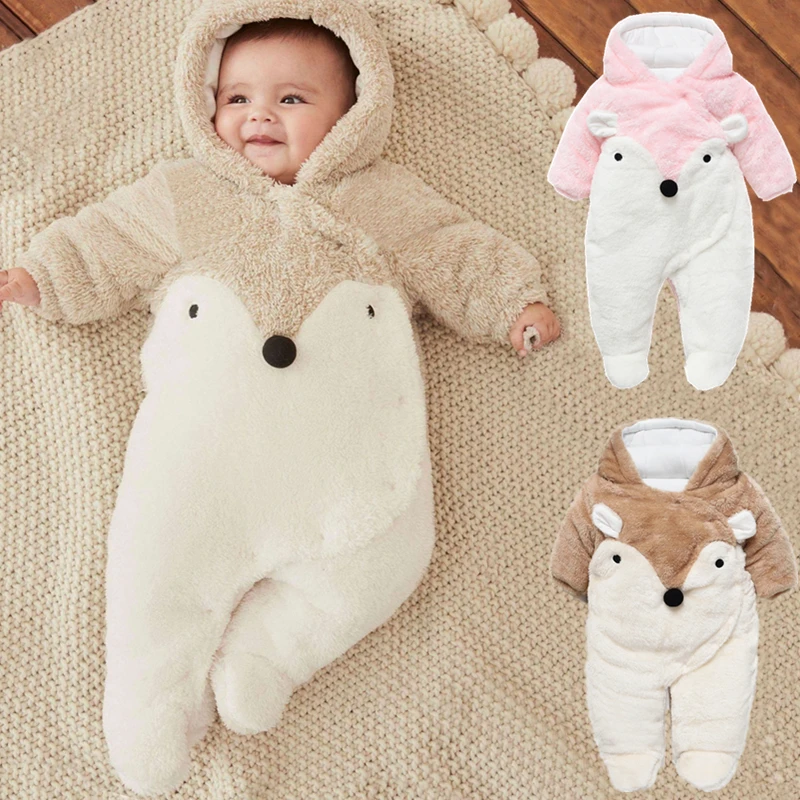
Unisex baby clothes are a simple way to shop for both styles at once. These pieces often come in cream, gray, tan, green, brown, navy, or soft pastels. They may feature bears, stars, clouds, trees, or small animal prints. The same warm romper or knit set can look sweet on any baby.
The key is to focus on the baby’s needs. A warm outfit should feel soft, fit well, allow free movement, and work for the planned activity. A cute design is a bonus, but it should never take priority over comfort or safe use.
Source: i5.walmartimages.com
Baby boy winter clothes
Look for bodysuits, joggers, knit sets, fleece pants, sweaters, and coats in styles that suit your taste.
Baby girl winter outfits
Try warm leggings, soft dresses over bodysuits, knit cardigans, footed pajamas, or cozy one-piece outfits.
Unisex winter clothing
Choose simple colors, animal prints, stripes, and matching sets that work for any baby.
Are Boy and Girl Winter Clothes Different?
Most everyday baby winter clothes serve the same basic purpose. They help keep the baby warm, cover the skin, and make changes easier for caregivers. Differences often come down to colors, prints, cuts, or decorative details rather than a special need for warmth.
Some outfits marketed for girls may have skirts or bows, while boy styles may use darker colors or different prints. Neither style is required. Choose pieces that suit the weather and your family’s taste. For a newborn, easy access for diaper changes can matter more than the design.
Focus on fit
Check that neck openings, sleeves, waistbands, and leg openings do not pinch or restrict movement.
Choose useful details
Front snaps, wide openings, and two-way zippers can make dressing and diaper changes easier.
Best Types of Baby Clothes for Winter
A useful winter wardrobe has several light layers instead of one very thick outfit for every setting. Indoor heating, outdoor wind, and time spent in a car can all change how much clothing a baby needs. A small group of well-chosen pieces can cover most daily needs.
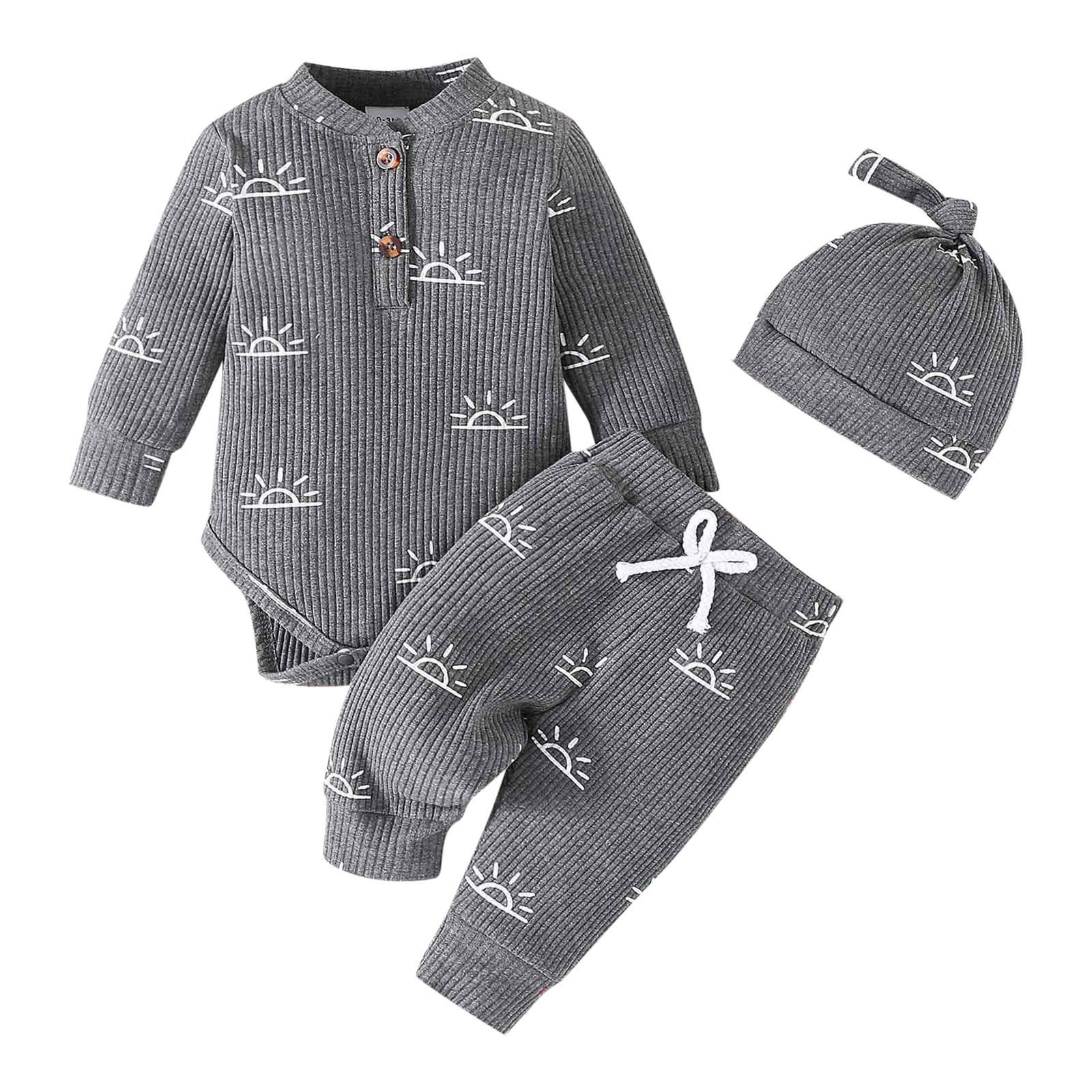
Start with items that can be mixed and matched. A plain bodysuit can go under a sweater, a knit set can work for a family visit, and a warm one-piece can help on a cold walk when used with suitable outerwear. Choose pieces that can be washed often and dry without much fuss.
Source: ae01.alicdn.com
Long-sleeve bodysuits
Use soft cotton bodysuits as a base layer. They stay in place under pants and sweaters and can help cover the baby’s back.
Footed pajamas
Choose sleepwear made for the baby’s size and the room’s temperature. Wearable sleep clothing can reduce the need for loose blankets.
Sweaters and cardigans
Use a soft sweater or cardigan as an added layer when the room or outdoor air feels cool. Remove it when the baby gets too warm.
Warm pants and leggings
Look for flexible waistbands and soft fabric. Pants should fit over diapers without pulling tight at the waist or legs.
Coats and snowsuits
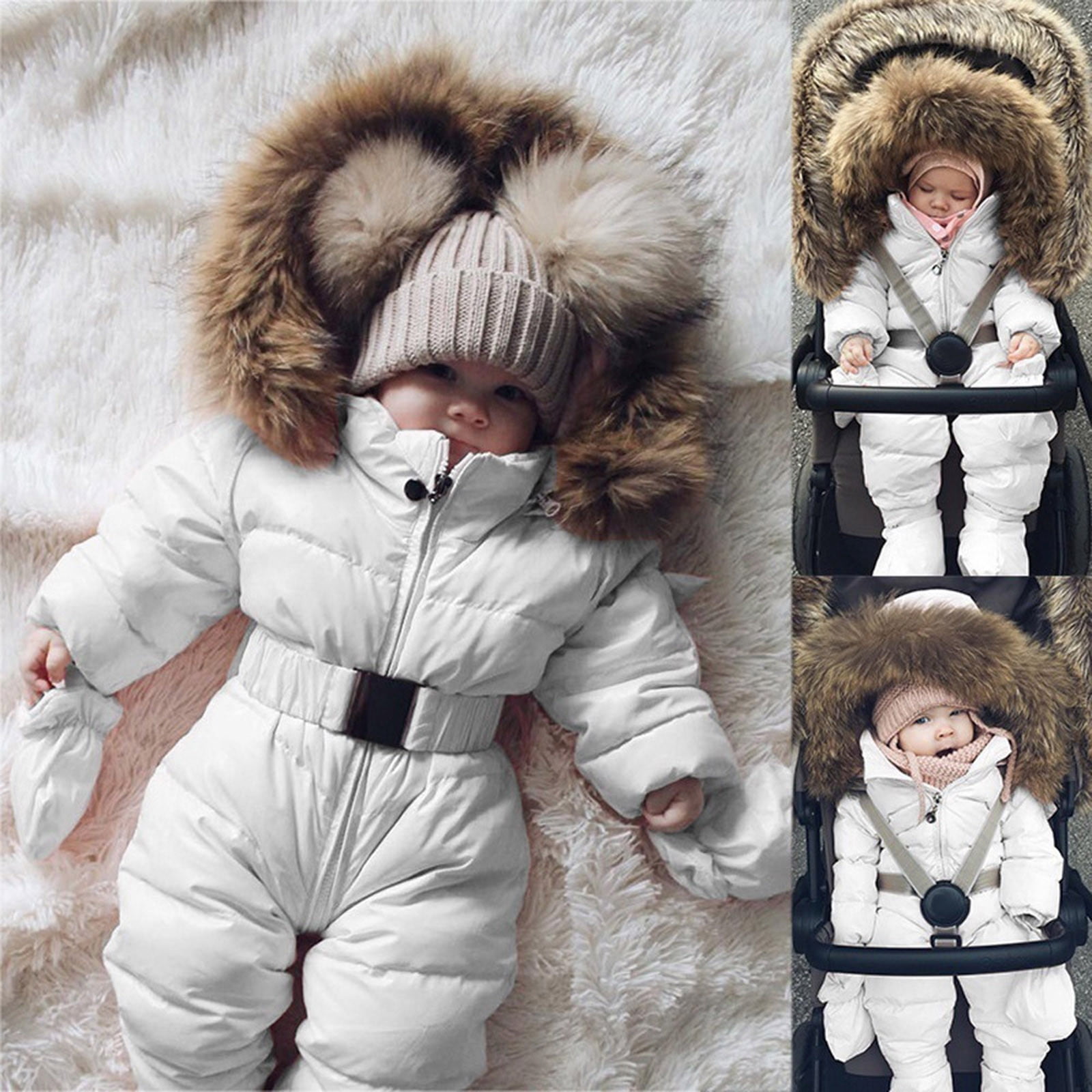
Save thick outerwear for outdoor use. Choose a size that allows normal movement and follow the care label for washing.
When Is a One-Piece Romper Useful?
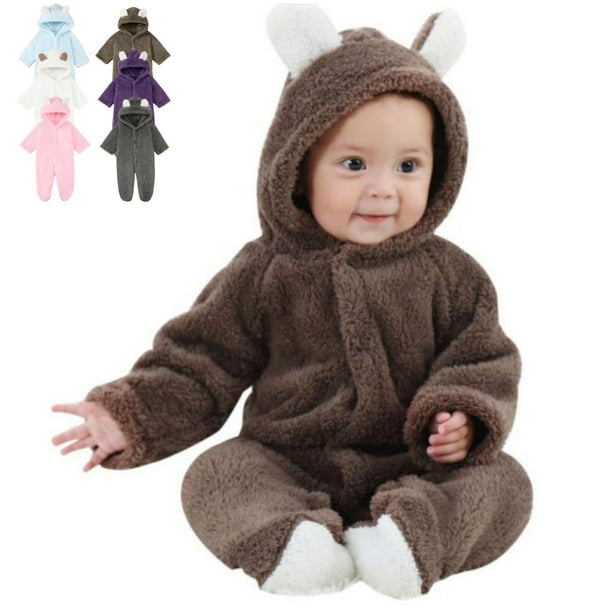
A warm one-piece romper can make dressing simple because the top and bottom stay together. Some styles have covered feet, long sleeves, or a hood for outdoor wear. Check the label to see whether the garment is meant for indoor use, outdoor use, or sleep.
A thick, hooded romper is not automatically suitable for every setting. Bulky garments can interfere with car seat harness fit, and a hood may add unwanted bulk around the head when the baby lies down. Remove outdoor layers when you go inside and use safe sleep clothing for naps and bedtime.
For errands
Use a comfortable base layer with a weather-appropriate coat or cover that can be removed indoors.
For sleep
Use approved sleepwear or a properly sized wearable blanket, following safe sleep guidance and the garment’s instructions.
How to Layer Baby Clothes in Cold Weather
Layering lets you adjust a baby’s clothing as the temperature changes. A simple starting point is a comfortable base layer, a middle layer for warmth, and an outer layer for wind or rain when needed. The number of layers should depend on the baby’s age, the temperature, the fabric, and whether the baby is indoors or outside.
For example, a baby going from a heated home to a chilly outdoor setting might wear a cotton bodysuit, soft pants, a sweater, and a coat for the walk. Once inside, remove the coat and any extra layer that makes the baby warm. Do not treat a fixed number of layers as a rule for every climate or child.
Source: m.media-amazon.com
Base layer
Start with a breathable bodysuit or other soft garment that rests comfortably against the skin.
Middle layer
Add pants, a cardigan, a fleece layer, or a knit set when extra warmth is needed.
Outer layer
Use a coat or snowsuit outdoors when the weather calls for it. Remove bulky items before car seat use.
Adjust after entering a warm place
Take off hats, coats, and extra layers to help prevent overheating in heated rooms or vehicles.
How Can You Tell If a Baby Is Too Warm?
Feel the baby’s chest or the back of the neck to check warmth. Hands and feet may feel cool even when the baby’s body is warm enough, so they are not the best guide on their own. Look for sweating, damp hair, flushed skin, or a hot chest as signs that the baby may need fewer layers.
Remove an extra layer if the baby seems too warm, then check again after a short time. If the baby has trouble breathing, is unusually hard to wake, or seems seriously unwell, seek urgent medical help. Very young babies need careful attention in cold weather because they cannot tell you how they feel.
Check the body
Use the chest or back of the neck rather than judging warmth only by fingers and toes.
Watch for changes
Sweat, damp hair, and flushed skin can mean the baby is dressed too warmly.
Cute Winter Outfit Ideas for Baby Boys and Girls
A winter outfit can look cute without being hard to wear. Pick a simple color palette, add one fun print, and keep the fabric soft. Matching sets are handy for family photos, visits, and daily errands because the pieces already work together.
Neutral clothes can be reused across seasons and siblings. Cream, oatmeal, gray, sage, rust, and navy pair well with many other colors. If you like brighter looks, use one colorful hat or sweater rather than buying a full set for each outfit.
Source: i.pinimg.com
Cozy bear outfit
Pair a cream bodysuit with brown pants and a soft bear-print cardigan for a sweet everyday look.
Classic winter look
Try a navy knit top, gray pants, and a warm outer layer for family visits or photos.
Soft pastel style
Combine pale blue, blush, or mint with cream leggings and a simple cotton base layer.
Snow-day outfit
Use a comfortable base layer, warm socks if needed, and suitable outdoor outerwear for brief trips outside.
Matching sibling outfits
Choose the same print or color family for siblings rather than buying identical cuts or gender-specific sets.
What Colors Work Well for Unisex Baby Winter Clothes?
Cream, beige, gray, olive, navy, and brown are easy to mix. These shades work with animal prints, stripes, and small seasonal patterns. They also pair well with clothes that a baby already owns, which can reduce the need for extra purchases.
There is no need to avoid pink, blue, or other bright colors if you like them. Clothing colors do not determine how warm a garment is or whether it suits a baby. Check the fabric, fit, and care label first, then choose a style you enjoy.
For everyday wear
Pick two or three main colors that match most of the baby’s pants and tops.
For photos
Use one patterned piece with plain layers so the outfit looks coordinated without feeling busy.
How to Choose the Right Size
Baby clothing sizes often use age ranges, such as newborn, 0 to 3 months, or 3 to 6 months. These labels are only a guide. Babies grow at different rates, and two garments with the same size label may fit differently.
Check the brand’s size chart and use the baby’s current height and weight when those measurements are available. A garment should allow normal movement and fit over a clean diaper without pulling at the snaps. Avoid sizing up so much that sleeves, legs, or loose fabric create a safety problem.
Source: i.pinimg.com
Check length
Make sure the legs and sleeves cover as intended without dragging or bunching around the hands and feet.
Check the torso
The fabric should not stretch tightly across the chest, belly, or diaper area.
Test fasteners
Snaps and zippers should close without force and should not press into the baby’s skin.
Plan for growth
Buy a small number of next-size items when the baby is growing quickly, but keep current outfits safe and well fitted.
Should You Buy a Bigger Size for Winter?
A little room for growth can be useful, especially for clothes worn over a base layer. However, a coat or snowsuit that is much too large may bunch up, slide over the face, or make movement harder. The goal is a comfortable fit, not the largest size available.
For car seat travel, fit matters even more. Do not place a baby in a bulky coat or snowsuit under the harness. Secure the baby in thin layers, tighten the harness as directed by the car seat maker, and add a blanket over the secured harness if extra warmth is needed.
Everyday clothes
Allow modest room for movement and diapers while keeping cuffs and neck openings secure.
Outerwear
Choose a size that stays in place and does not cover the baby’s face or block movement.
Which Fabrics Are Best for Baby Winter Clothes?
The best fabric depends on the garment and the weather. Soft cotton is often useful for base layers, while fleece and wool blends can add warmth in suitable clothing. Some synthetic fabrics dry quickly and work well for outdoor layers, but the garment’s construction and care instructions still matter.
No single fabric is right for every baby or climate. A thick material can feel warm but may cause overheating indoors. A thin material can work well under other layers. Choose clothes that feel soft, fit properly, and do not have rough seams or details that can scratch the skin.
Source: i5.walmartimages.com
Cotton
A practical option for bodysuits and everyday base layers. Check that the fabric is soft and that the fit is not tight.
Fleece
Can add warmth for outdoor wear or cool settings. Remove extra layers when the baby is warm indoors.
Wool and wool blends
Can provide warmth in sweaters, hats, or other garments. Look for a soft feel and check whether the item may irritate the baby’s skin.
Knitted fabrics
Work well for sweaters and cardigans. Inspect loose threads and decorative pieces before use.
What Clothing Details Should Parents Avoid?
Inspect baby clothes before dressing the child. Loose buttons, beads, long ties, and poorly attached decorations can pose choking or entanglement risks. Remove damaged items from use until they can be repaired safely, or replace them.
Also check the neck, wrist, and ankle openings. Tight elastic can leave marks or restrict movement, while loose fabric may bunch up. Follow the care label and wash new clothes before use if the manufacturer recommends it or if doing so suits your household routine.
Loose decorations
Avoid small parts that may detach and become a choking hazard.
Rough seams
Check inside the garment for scratchy stitching, tags, or stiff edges.
Long cords and ties
Avoid drawstrings or long ties near the neck and face.
Winter Clothing Safety for Babies
Warm clothes should protect a baby without creating a risk of overheating, restricted movement, or unsafe sleep. Babies cannot adjust their own clothing, so caregivers need to check conditions and remove extra layers when needed. Pay special attention during car rides, naps, and bedtime.
For sleep, place the baby on their back on a firm, flat sleep surface with no loose blankets, pillows, or soft items. Use suitable sleep clothing or a wearable blanket that fits the baby’s size and room temperature. Do not use a hooded outdoor snowsuit as sleepwear unless the item is specifically designed and approved for that use and follows safe sleep guidance.
Source: i.pinimg.com
Car seat use
Avoid bulky coats and snowsuits under the harness because compressed padding can leave the harness too loose in a crash. Secure the harness first, then add a blanket over it if needed.
Sleep
Keep loose bedding and hats out of the sleep space. Choose sleepwear that fits and does not cover the baby’s face.
Cold outdoor weather
Cover exposed skin with suitable clothing and limit exposure when conditions are harsh. Check local weather alerts before taking a young baby outside.
Overheating
Remove layers if the baby is sweaty, flushed, or hot across the chest or back of the neck.
Do Babies Need Hats Indoors?
Most babies do not need a hat in a comfortably heated home. A hat can trap extra heat, especially during sleep, so remove outdoor hats after coming inside. For newborns, follow the care team’s advice about temperature and clothing needs.
Outside, a properly fitted hat can help protect the head and ears in cold weather. Make sure it does not slip over the eyes or cover the nose and mouth. Remove it if the baby gets too warm.
At home
Use room-appropriate clothing and avoid a hat during sleep.
Outside
Choose a snug, comfortable hat for the weather and check the baby’s warmth often.
How to Build a Practical Winter Baby Wardrobe
A useful winter wardrobe does not need dozens of outfits. Babies may need frequent changes because of spit-up, drool, diaper leaks, and food mess as they grow. Start with the basics, then add pieces based on laundry habits, the local climate, and how often the baby goes outside.
The amounts below are a flexible starting point for a family that does laundry every few days. A baby who spits up often may need more bodysuits, while a family in a mild climate may need fewer heavy layers. Treat the list as a planning aid rather than a strict rule.
Source: i5.walmartimages.com
Five to seven bodysuits
Provide a useful base for daily outfits and quick changes.
Three to five pairs of pants or leggings
Allow simple outfit changes without needing a full matching set each time.
Two or three warm middle layers
Choose cardigans, sweaters, or light fleece tops that can be added when needed.
Three to five sleep outfits
Choose properly fitted sleepwear suited to the room’s temperature and the baby’s size.
One suitable outdoor coat or snowsuit
Select outerwear for the local winter weather and the trips your family takes.
A few socks and weather-appropriate hats
Keep small accessories clean, well fitted, and easy to remove when indoors.
How Can You Save Money on Baby Winter Clothes?
Babies can outgrow clothing before the season ends, so plan purchases around real needs. A few plain base layers and mix-and-match pieces often do more work than several special-occasion outfits. Choose durable basics first, then buy one or two fun items if the budget allows.
Hand-me-downs can also help, as long as each item is clean, in good repair, and safe to use. Check zippers, snaps, seams, elastic, and decorations before dressing the baby. Avoid using a damaged item simply because it was expensive or has sentimental value.
Buy mix-and-match colors
Choose tops and bottoms that work together to create more outfits from fewer pieces.
Check fabric and care labels
Clothes that can be washed and dried according to your routine may be easier to maintain.
Shop for the current size
Use measurements and the brand’s size chart instead of buying many outfits based only on age labels.
Keep special outfits limited
One warm outfit for photos or a family event may be enough if the baby will wear it only once or twice.
Frequently Asked Questions
Q
Can baby boys wear baby girl winter clothes?
Yes. Any baby can wear clothes that fit well and suit the weather. The main differences between many boy and girl outfits are colors, prints, and decorative details. Choose soft fabric, safe fasteners, and a comfortable fit rather than relying on the label.
Q
What should a baby wear in winter in the United States?
The answer depends on the local climate. In a cold northern state, a baby may need warm indoor layers and suitable outdoor outerwear. In a mild southern area, a long-sleeve bodysuit and light jacket may be enough for a cool day. Check the weather and adjust clothing as needed.
Q
How many layers should a baby wear in winter?
There is no single number that works for every baby and temperature. Start with comfortable clothing, add a layer when needed, and check the baby’s chest or back of the neck. Remove layers if the baby gets hot or sweaty, especially in heated rooms and cars.
Q
Are fleece rompers safe for newborns?
A fleece romper may be useful as an outer layer or for suitable cool settings, depending on its design. Check the garment’s label, fit, and intended use. For sleep, use appropriate sleepwear and follow safe sleep guidance. Do not place a bulky fleece suit under a car seat harness.
Q
Should babies wear coats in car seats?
Avoid bulky coats and snowsuits beneath a car seat harness. Thick padding can compress in a crash and leave the harness too loose. Dress the baby in thin layers, secure the harness according to the car seat manual, and place a blanket over the harness if extra warmth is needed.
Q
What are the best colors for unisex baby winter clothes?
Cream, gray, beige, navy, olive, brown, and pastel shades are easy to mix and match. Stripes and animal prints also work well for any baby. Color is a style choice, so select the shades you like while keeping fit, fabric, and safety in mind.
Q
How do I know if my baby’s winter clothes are too small?
Look for tight waistbands, stretched snaps, pulled seams, short sleeves, or fabric that restricts normal movement. Check whether the garment still fits over the baby’s diaper. Use the brand’s size chart and measure the baby when needed, since age labels can vary.
✦ Wrapping Up
Conclusion
Finding bebe boy clothes girls winter styles is easier when you focus on warmth, comfort, and fit first. Soft bodysuits, warm pants, sweaters, sleepwear, and weather-ready outerwear can create many useful outfits for baby boys and girls. Neutral colors and simple prints make it easy to mix pieces without buying a separate wardrobe for each style.
Keep your local winter weather in mind, check the baby’s warmth often, and remove extra layers indoors. Use safe sleep clothing at bedtime and avoid bulky coats under car seat harnesses. A small set of well-fitting clothes can keep a baby comfortable through daily errands, family visits, and chilly outdoor trips.
💡 Key Takeaway
Before buying, check the baby’s current measurements, the clothing care label, the local forecast, and the garment’s intended use. Start with a few soft base layers, add practical warm pieces, and choose one outdoor layer suited to your climate.